Battle of Misrata (2011)
They called it Libya's Stalingrad, and the comparison was not idle. For three months in the spring of 2011, Misrata -- the third-largest city in Libya and the only major rebel-held city in western Tripolitania -- endured daily assault, artillery bombardment, and sniper fire from forces loyal to Muammar Gaddafi. The city's port, its sole lifeline to the outside world, was contested and at times cut off entirely. Civilians had no escape route. When it was over, the casualty figures told only part of the story: hundreds dead, thousands wounded, and an urban landscape transformed by war into something its residents barely recognized.
A City That Refused to Fall
The uprising in Misrata began modestly. On 17 February 2011, a few dozen anti-government demonstrators took to the streets. Within a week, the protests had escalated into armed confrontation. By 23 February, opposition fighters had driven government forces out of the city, though the cost was steep -- between six and fourteen protesters killed, another 200 wounded. Loyalist troops regrouped at the nearby air base, and on 24 February, soldiers armed with rocket-propelled grenades and mortars attacked opposition fighters guarding the airport. Air force officers stationed near the airport mutinied and joined the rebels, a defection that gave the opposition a crucial early boost. But the government was not finished. As Gaddafi's forces recaptured town after town across western Libya, Misrata became an island of resistance in loyalist-controlled territory -- and a target.
The Trap Closes
On 6 March, pro-Gaddafi forces sent soldiers supported by seven tanks and 25 technicals into the city. The rebels employed a tactic born of desperation and cunning: they allowed the government forces to penetrate deep into the city center, then surrounded them. Three tanks became trapped in the fighting. Twenty-one rebels and civilians died in the engagement, including a three-year-old boy, but the attack was repelled. A week later, the Khamis Brigade -- an elite unit fresh from crushing the uprising in Zawiya -- arrived on Misrata's outskirts. Their advance stalled when 32 soldiers, reportedly including a general, broke away and defected to the rebels. Still, loyalist tanks pushed forward, their shells striking homes and markets. By 19 March, sniper and artillery fire was killing people daily. That same day, Tomahawk cruise missiles launched by US and British naval vessels struck a government air base outside the city -- the first direct intervention by Western forces in Misrata's defense.
Under the Shells
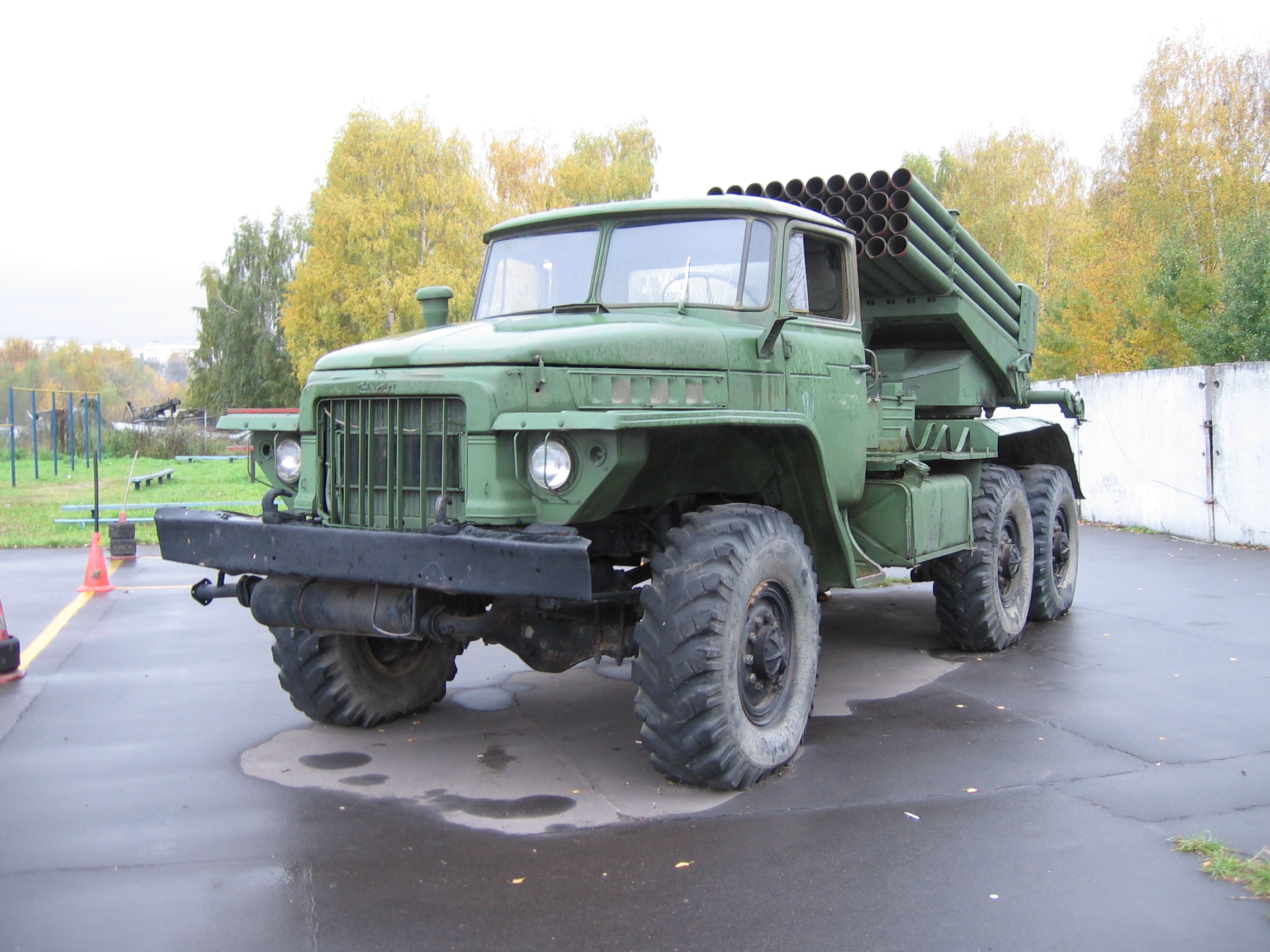
The siege that followed was relentless. Gaddafi's forces used artillery, Grad rockets, and cluster munitions against residential areas. Snipers controlled key intersections along Tripoli Street, the city's main commercial thoroughfare. Hospitals overflowed with casualties; doctors performed surgeries in corridors. CNN crews who reached the city in late March recorded scenes of heavy fighting on devastated streets -- destroyed armored vehicles, government tanks hit by RPGs, wounded civilians with nowhere to go. Casualty figures from the siege varied widely and remain disputed: one hospital chief reported 398 killed by 30 March, while another doctor cited 700 dead by mid-April. NATO declared that breaking the encirclement of Misrata was its top priority, and airstrikes targeted loyalist positions around the city. But the fighting ground on, block by block, with Gaddafi's forces maintaining their grip on the approaches even as they lost ground in the center.
Breaking the Siege
In late April, rebel counterattacks began to shift the balance. Fighters pushed loyalist forces back from key positions in the city center and recaptured the port, restoring the supply line that had kept Misrata alive. The turning point came on 11 May, when the airport and the nearby military airbase fell to rebel forces, removing the last major loyalist positions within striking distance of the city. Gaddafi's troops retreated but did not disappear. For weeks afterward, artillery and rocket fire continued to land in the city from positions at Dafniya and Tawergha. On 21 June, four Grad rockets struck the city center. Even as the government claimed in August to have retaken Misrata -- a claim contradicted by rebel radio broadcasting from within the city -- opposition fighters were already advancing southward toward Bani Walid, carrying the war that Misrata had survived to Gaddafi's remaining strongholds.
The Price of Holding On
The human cost of the Battle of Misrata was enormous and unevenly distributed. Casualty estimates range from the hundreds into the low thousands, depending on the source and the time frame. Beyond the dead, thousands of civilians were displaced, homes were destroyed, and the city's infrastructure was shattered. Human Rights Watch documented abuses by both sides, including the use of cluster munitions by government forces in residential areas and reprisal attacks by some rebel fighters against communities accused of supporting Gaddafi. The city of Tawergha, whose residents were accused of participating in the siege on the government's side, was emptied by rebel forces after the battle -- its entire population displaced in an act of collective punishment. Misrata survived the siege, but the battle left wounds that extended far beyond the physical damage to its buildings and streets.
From the Air
Located at 32.38N, 15.09E on Libya's Mediterranean coast, approximately 187 km east of Tripoli. Misrata is visible as a large coastal city with its port facilities on the north side. Misrata Airport (HLMS) lies to the south of the city center. The flat coastal terrain makes the urban area clearly visible from altitude. Key landmarks include the port area and Tripoli Street running through the city center. Best viewed at 5,000-10,000 feet for urban detail.