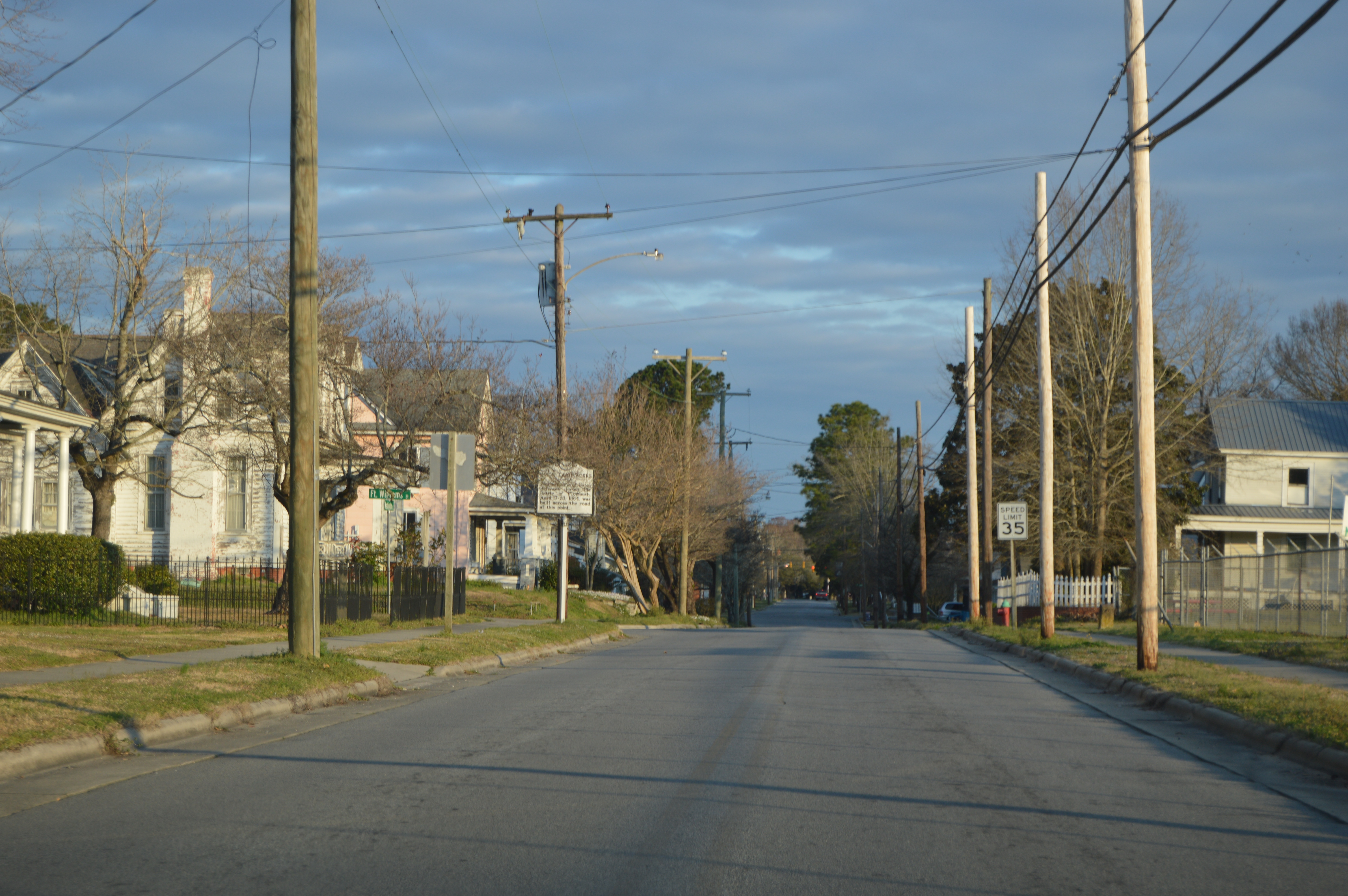
Battle of Plymouth (1864)
Lieutenant Commander Charles W. Flusser died with a lanyard in his hand. On the night of April 19, 1864, he stood on the quarterdeck of the USS Miami in the dark waters of the Roanoke River near Plymouth, North Carolina, and fired directly at an approaching ironclad. The shell struck the CSS Albemarle's armored casemate, ricocheted back, and killed the man who fired it. It was the kind of cruel irony that defined this battle -- a four-day engagement where a single Confederate warship built from scavenged railroad iron upended Union control of an entire river system.
The Ram That Changed Everything
Plymouth, North Carolina, sits where the Roanoke River meets the western edge of Albemarle Sound, and by early 1864 it had been a Union stronghold for two years. The Federal garrison, commanded by Brigadier General Henry W. Wessells, held the town with a mix of infantry, artillery, and colored troops -- including the 10th and 37th U.S. Colored Infantry. Several Union gunboats patrolled the river. Confederate Major General Robert F. Hoke devised a plan to retake Plymouth, but he knew that without naval superiority, no land assault could succeed. His answer was the CSS Albemarle, an ironclad ram built upriver at Edwards Ferry from whatever materials the Confederacy could scrape together -- including railroad iron for her armored casemate. On April 17, 1864, Hoke launched his ground assault while the Albemarle steamed downriver toward the Union fleet.
Four Days on the Roanoke
The Confederate ground forces attacked Plymouth from multiple directions. Hoke's division included brigades under Colonel John T. Mercer, Brigadier General Matt W. Ransom, and Colonel William R. Terry, along with Colonel James Dearing's cavalry and multiple artillery battalions. For two days, the Union garrison held, supported by their gunboats on the river. Then, on the evening of April 19, the Albemarle arrived. Commander James W. Cooke drove the ironclad straight into the USS Southfield, ramming and sinking her. The Miami, lashed alongside the Southfield as a defensive measure, barely broke free before being dragged under as well. With Flusser dead and the Southfield at the bottom of the Roanoke, the remaining Union vessels fled downriver. The garrison's lifeline was gone.
Surrender at Fort Williams
Without naval support, the outcome was inevitable. Confederate forces captured Fort Comfort, driving the remaining Union defenders into Fort Williams. On April 20, Brigadier General Wessells surrendered the entire garrison. Plymouth's citizens, caught between the armies, had taken refuge in the basement of the Latham House during the fighting. The battle was a decisive Confederate victory -- one of the few bright moments for the South in the spring of 1864, even as Grant was tightening his grip on Virginia. The Albemarle's success at Plymouth emboldened Hoke to attempt retaking New Bern, which had been in Union hands since 1862, using the ironclad once again.
The Albemarle's Reckoning
The CSS Albemarle remained a menace on the Roanoke for months after Plymouth fell. She fought the Union fleet to a draw at the Battle of Albemarle Sound in May 1864, where the USS Sassacus rammed her at full speed and still could not break through her iron plating. But on the night of October 27, 1864, Lieutenant William B. Cushing -- who wanted to avenge his friend and former commander Flusser -- piloted a small torpedo boat upriver to Plymouth under cover of darkness. He detonated a spar torpedo against the Albemarle's hull and sank her at her berth. With the ironclad destroyed, Federal forces recaptured Plymouth on October 31, restoring Union control of the sound. The ram that had changed everything was gone, and with it the Confederacy's grip on eastern North Carolina's waterways.
From the Air
The Battle of Plymouth took place at 35.87°N, 76.75°W where the Roanoke River meets the western end of Albemarle Sound. Plymouth Municipal Airport (KPMZ) is just 2 nm south of the town center. KEDE (Northeastern Regional Airport, Edenton) lies 27 nm east-northeast. The Roanoke River's path into the sound is clearly visible from altitude. Best viewed at 2,000-4,000 ft AGL where the river's confluence with the sound and the town's waterfront layout can be fully appreciated. The flat coastal plain and wide water give excellent visibility for tracing the naval approaches.