Battle of Ramsour's Mill
Peter Costner killed his own brother on the morning of June 20, 1780, then buried the body himself after the fighting stopped. This was the nature of the Battle of Ramsour's Mill -- not a clash between professional armies, but a brutal two-hour brawl between neighbors, in-laws, and childhood friends on a hilltop near present-day Lincolnton, North Carolina. Neither side wore uniforms. The only way to tell Loyalist from Patriot was a green pine twig tucked into a hat, or a scrap of white paper. When ammunition ran out, men swung their muskets like clubs. The fog that blanketed the hill that morning seemed fitting: nobody could see clearly, least of all who was friend and who was enemy.
A Gathering Storm on the Hill
The trouble started two days earlier, on June 18, when Patriot General Griffith Rutherford learned from his camp near Charlotte that a large force of Loyalists -- many of them German Palatine emigrants -- was assembling at Jacob Ramsour's mill. Lieutenant Colonel Francis Locke gathered 400 cavalry and infantry at Mountain Creek, northeast of Lincolnton. Intelligence showed the Loyalist force outnumbered them more than three to one, but the Patriots decided to attack at dawn rather than wait for Rutherford's reinforcements, fearing the Loyalists would only grow stronger. At daybreak, Locke's men were a mile from the Loyalist camp, perched on a hill east of the mill. The Loyalists had already captured a group of Patriots and planned to hang them that very morning.
The Presbyterian Elder Who Refused to Retreat
When the Patriot cavalry charged, Loyalist sentries fired and fell back. The fighting dissolved into chaos on the ridge. Colonel Locke, unable to reform his shattered line, ordered a retreat. Captain John Dickey -- a Presbyterian elder, no less -- responded with a stream of profanity and flatly refused. He led his company to higher ground, where Captain John Hardin's riflemen turned their marksmanship into a decisive advantage. "Shoot straight, my boys, and keep on fighting," Dickey shouted. "I see some of them beginning to tumble." His men composed a ballad in his honor that rang through the Carolina countryside for years afterward. Only one verse survives in the National Archives: "Old Colonel Locke kept pretty well back / While brave Captain Dickey commenced the attack."
Brother Against Brother, Neighbor Against Neighbor
General Joseph Graham's 1825 account of the battle preserves scenes of heartbreaking intimacy. In one episode, a German Loyalist encountered a Patriot acquaintance mid-battle: "Hey, how do you do, Billy? I has known you since you was a little boy, and I would not hurt one hair of your head." Billy clubbed his musket at the man's head. The German dodged and swung back, crying, "I is not going to stand still and be killed like a damned fool neder." One of Billy's comrades ended it with a bullet. Elsewhere, wounded Patriot Captain M'Kissick stumbled from the field and was captured by a party of Loyalists. His neighbor Abraham Keener protected him, lamenting all the while: "That a man so clever and such a good neighbor and of such good sense should ever be a rebel." When the tables turned and Keener found himself surrounded by Patriots, the bleeding M'Kissick saved Keener's life in return.
The Bitter Aftermath
Between 50 and 70 men lay dead on each side, with another 100 wounded per side -- staggering numbers for a fight between neighbors. Wives, mothers, and children climbed the hill to bury their dead where they had fallen. When General Rutherford finally arrived with his main force, the surviving Loyalists sent a white flag requesting a truce. Rutherford demanded unconditional surrender instead. While negotiations dragged on, most remaining Loyalists slipped away; only about 50 were taken prisoner. The consequences rippled for years. Loyalist properties were seized. Abraham Keener was summoned six years later to build a road as punishment for his role, though some accounts suggest he eventually switched allegiance. Loyalist James Karr wrote to his old friend Rutherford seeking reconciliation. Rutherford's response was cold: "As an Honest Neighbor you desarve my countenance, but as an open enemy you must know that you desarve none."
What Remains
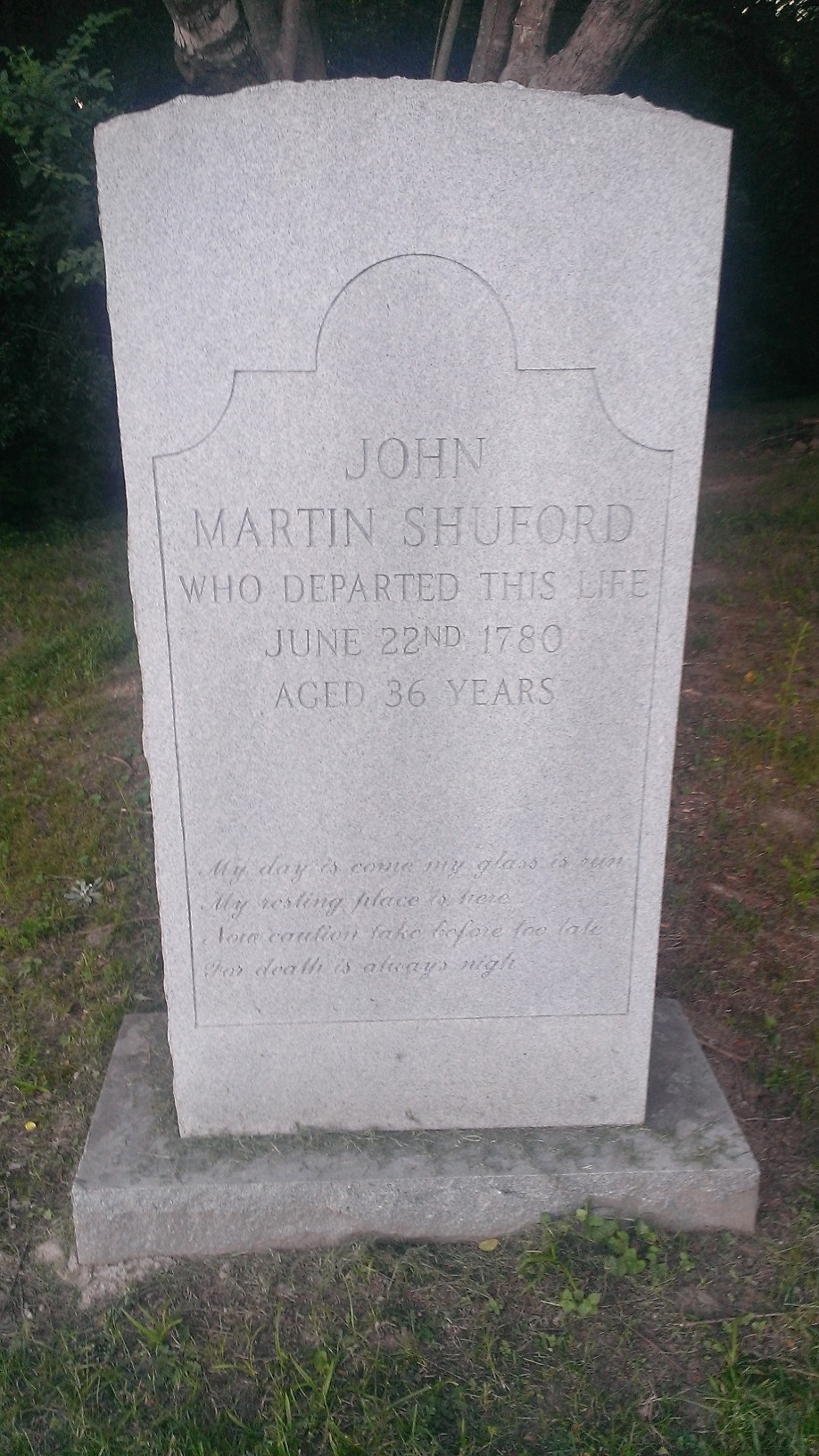
The Battle of Ramsour's Mill proved strategically significant far beyond its small scale. By shattering Loyalist morale across the Carolina backcountry, it weakened British efforts to rally local support for their southern campaign -- a campaign that would culminate in Cornwallis's march to Yorktown and ultimate defeat. In 1997, the Lincoln County Historical Association and descendants of Loyalist John Martin Shuford dedicated a new monument to his memory, moving his original grave marker to the Lincoln County Museum of History. The battlefield site near Lincolnton preserves the ground where a community tore itself apart and, in some small gestures of mercy amid the carnage, showed that even in civil war, the bonds of neighborliness could flicker back to life.
From the Air
Located at 35.48°N, 81.26°W near Lincolnton, North Carolina. The battlefield site sits on a hill east of where Ramsour's Mill once stood. Look for the town of Lincolnton along the South Fork of the Catawba River. Lincolnton-Lincoln County Regional Airport (KIPJ) is 5nm east of town. Charlotte Douglas International (KCLT) lies approximately 30nm to the southeast. The rolling Piedmont terrain is visible from moderate altitude, with the foothills of the Blue Ridge rising to the west.