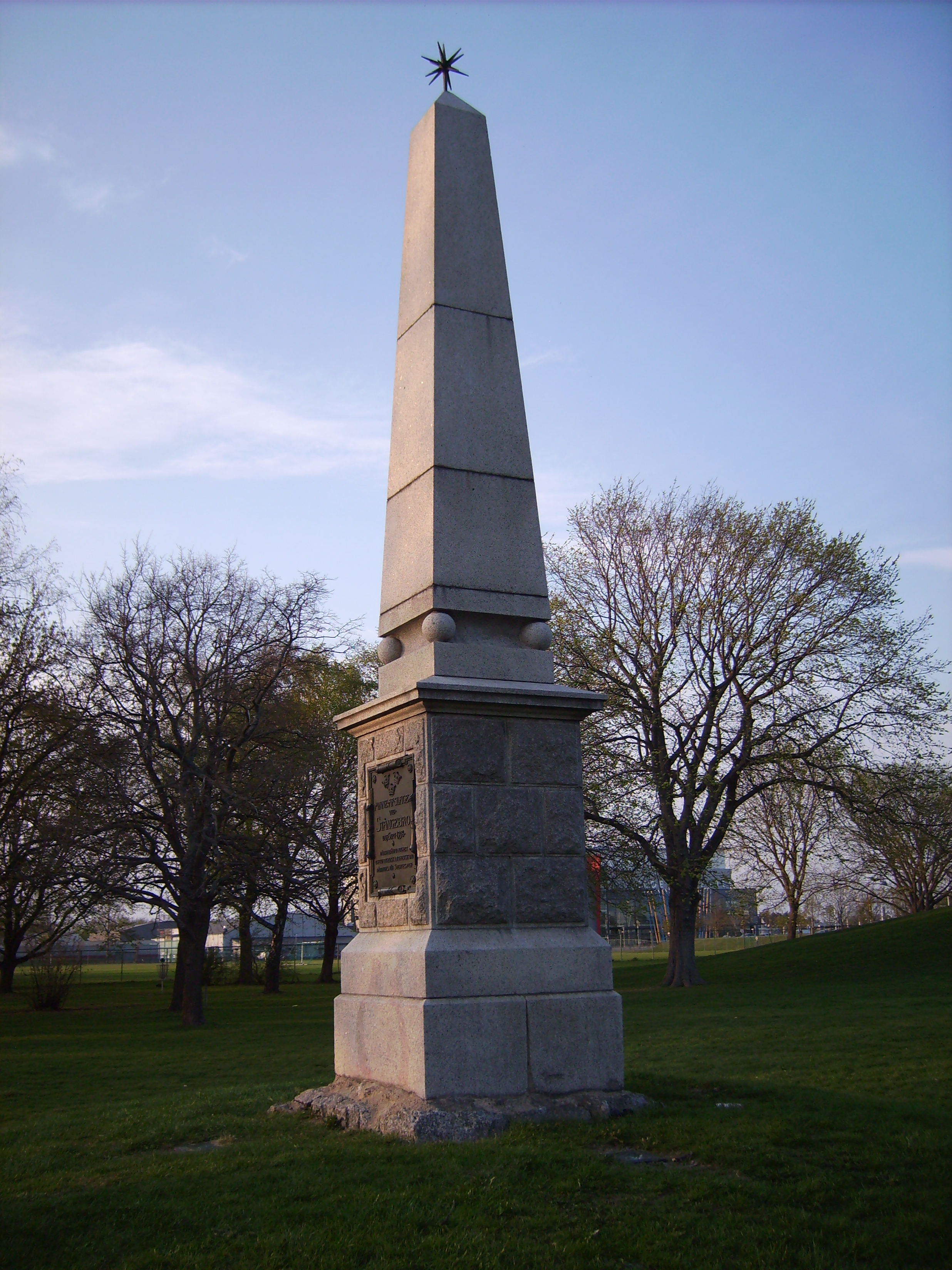
Battle of Stangebro
Thick fog blanketed the river Stangan on the morning of September 25, 1598. Soldiers on both sides could hear the splash of oars and the clatter of armor but could barely see twenty paces ahead. By nightfall, two thousand men would lie dead, a king would flee his own kingdom, and Europe's religious wars would gain a new, violent chapter. The Battle of Stangebro was not merely a clash of armies - it was the breaking point of a family torn apart by faith, a conflict between an uncle and nephew that would reshape Scandinavian history for generations.
A Crown Divided by Faith
The trouble began with inheritance. When King John III of Sweden died in 1592, his son Sigismund already wore the crown of Poland-Lithuania. Sigismund was Catholic, raised in that faith by his Polish mother. Sweden, however, had embraced Lutheranism with fervor. The Swedish nobles extracted a promise: Sigismund could rule, but he must not interfere in religious matters. He agreed, accepted coronation, and promptly began breaking his word. His uncle, Duke Charles, watched from Stockholm as Sigismund spent most of his time in Poland, leaving Sweden in the hands of a regent council. When Sigismund began appointing Catholic sympathizers to key positions, Charles saw both opportunity and genuine threat. The duke was a true believer in the Protestant cause, and he began consolidating power.
The Morning of Mist and Blood
Two bridges spanned the Stangan at Linkoping in those days: Stora Stangebro and Lilla Stangebro. In the 16th century, the city ended at the river's edge - everything east was open country. Duke Charles approached from that direction with perhaps twelve thousand men. King Sigismund commanded a smaller force of five to eight thousand, a mix of mercenaries and Swedish nobles who had remained loyal to their crowned king. The fog that morning was so dense that neither army could see the other's movements. Charles attacked first, striking at Stora Stangebro with devastating speed. His forces swept across before Sigismund's defenders could mount an effective response, then wheeled toward the second bridge where the king's troops had established a stronger position on the eastern bank.
A King's Cavalry Fails Him
The fighting at Lilla Stangebro proved fiercer. Sigismund's soldiers had gained the eastern shore and dug into defensible ground. Charles's men were forced to retreat uphill, where brutal hand-to-hand combat followed. Victory hung in the balance until a crucial moment: Sigismund's cavalry, which should have swept down to crush the duke's exposed flank, never charged. Whether through confusion, cowardice, or treachery, the horsemen remained stationary. Without their support, the king's infantry crumbled. Charles later claimed he lost only forty dead and two hundred wounded. His propaganda said Sigismund lost two thousand, many drowning in the river as they fled. The real numbers were likely more even, but the outcome was decisive. Sigismund requested a truce, and Charles accepted.
The Bloodbath That Followed
Charles demanded that Sigismund surrender the nobles who had supported him and remain in Sweden to face the parliament. The king chose exile instead, sailing back to Poland but abandoning his supporters to their fate. It was a betrayal those men would pay for with their lives. By May 1599, Charles controlled all of Sweden. In 1600, at a parliament convened in Linkoping, he arranged trials for the captured aristocrats. Eight were condemned to death. Five executions were carried out in the main square on March 20, 1600 - an event remembered as the Linkoping Bloodbath. Among the dead was Erik Sparre, the Lord High Chancellor himself. Charles would not officially take the title King Charles IX until 1603, but his power was absolute from the moment Sigismund's ship disappeared over the Baltic horizon.
Seven Decades of Consequence
The battle at Stangebro was just the beginning. It sparked the Polish-Swedish Wars, a series of conflicts that would stretch across seventy years and ultimately destroy the Polish-Lithuanian Commonwealth - at the time, arguably the largest nation-state in Europe. Sweden emerged as a major Protestant power, playing a decisive role in the Thirty Years' War that devastated Central Europe. Sigismund never stopped claiming the Swedish throne, and his descendants continued the feud for generations. Today, a monument stands near the old battleground, erected in 1898 to mark the three-hundredth anniversary. The bridges are long gone, the battlefield now lies within central Linkoping, and the Stangan flows quietly past parks and apartment buildings. But the fog that rises from the water on autumn mornings still carries the weight of that September day when uncle defeated nephew and changed the course of European history.
From the Air
Located at 58.42N, 15.63E near central Linkoping, Sweden. The battlefield site lies along the Stangan river, now integrated into the modern city. A monument marks the location near the Stangebro sports field. Nearest major airport is Linkoping City Airport (ESSL), approximately 4km west. For visual reference from altitude, look for the river winding through the city center. Best viewed at 2,000-3,000 feet AGL.