Battle of Tamatave
Commodore Dominique Roquebert sailed from Brest on 2 February 1811 carrying soldiers, food, and ammunition for a French colony that had already fallen. News traveled slowly across the Indian Ocean in the age of sail, and no one in France yet knew that Isle de France -- modern Mauritius -- had surrendered to a British invasion force three months earlier. By the time Roquebert's three frigates reached the island on 6 May and discovered British flags flying where French tricolours should have been, his mission was already impossible. What followed was a running chase across the western Indian Ocean that ended in a savage evening battle off the port of Tamatave, on the northeast coast of Madagascar.
A Colony Already Lost
The seeds of the Battle of Tamatave were planted nine months earlier at Grand Port, where a French squadron achieved the most significant French naval victory of the entire Napoleonic Wars by capturing or destroying four Royal Navy frigates. The triumph was hollow. Isle de France's naval bases lacked the stores and supplies to repair the damaged ships or sustain further raiding voyages. Britain moved swiftly. Reinforcements poured in from Madras, the Cape of Good Hope, and Rodriguez, and by November 1810 a British invasion force landed on Isle de France. The colony fell in four days. Meanwhile, France was preparing its own reinforcement -- three powerful frigates under Roquebert, each laden with over 200 soldiers and critical supplies. But the nearest French naval base lay thousands of miles away across oceans controlled by the Royal Navy. The squadron slipped out of Brest under cover of storm and began its long voyage south.
Into the Trap
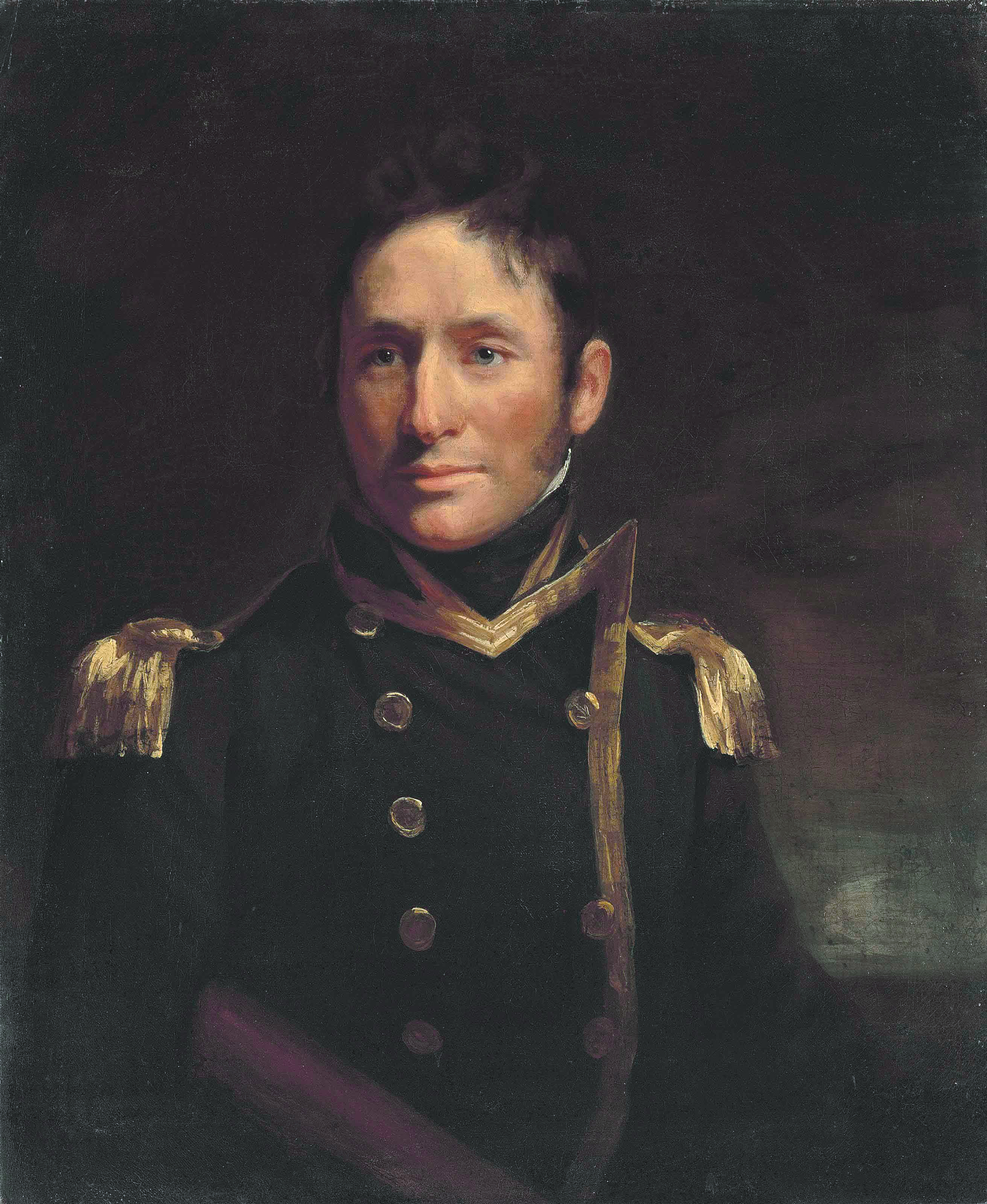
When Roquebert's squadron appeared off Grand Port in early May, the British commander Captain James Hillyar was ready. He kept French tricolours flying from the harbor landmarks, hoping to lure the French into shallow waters where they could be destroyed. Roquebert was cautious enough to avoid the trap, but the discovery that Isle de France was in enemy hands left him with a desperate problem: his ships were heavily laden, his crews outnumbered by the soldiers crammed aboard, and his orders -- to continue to the Dutch colony at Batavia on Java if Isle de France had fallen -- required crossing more hostile ocean. Captain Charles Marsh Schomberg assumed command of the British pursuit squadron at Port Louis on 14 May and headed east, guessing correctly that Roquebert would make for Tamatave, the only resupply point between Bourbon and the Cape of Good Hope. When dawn broke on 20 May, the French were within sight of the harbor.
A Calm That Favored the French
The battle began at 4 PM in near-windless conditions that left both squadrons drifting rather than sailing. In the eerie calm, the French were better positioned. The frigate Nereide advanced on the British ship Phoebe and sandwiched her between two opponents, pouring in destructive fire. The brig Racehorse was over a mile away, being towed toward the action by rowing boats -- an agonizingly slow approach. For two hours, Roquebert's ships inflicted severe damage on several British vessels. Then, around 6:30 PM, the breeze picked up. Captain Hillyar in Phoebe surged forward and engaged Nereide at close quarters, killing her captain, Jean-Francois Lemaresquier, and battering the French ship into silence within half an hour. The balance of the battle had shifted with the wind.
The Commodore's Last Fight
As darkness fell, Schomberg pursued the retreating French by following their lantern lights. When the frigate Clorinde lost a man overboard and stopped to rescue him around 9:50 PM, Roquebert was forced to fall back and shield her. He steered Renommee directly at Astraea and opened fire at close range, but within minutes he was surrounded -- Astraea on one side, Racehorse on the other, Phoebe raking his stern. In a ferocious 25-minute exchange, Roquebert was killed. A shot from Racehorse ignited Renommee's mainsail, and the shattered flagship surrendered. During the entire final engagement, Captain Jacques de Saint-Cricq in Clorinde had stayed out of range, refusing to support his commodore. When Renommee struck her colors, Saint-Cricq fled north, abandoning both his dead commander and the crippled Nereide.
Judgment at Brest
Five days after the battle, Schomberg's squadron found Nereide sheltering in Tamatave harbor. The town's French garrison negotiated a bloodless surrender: the crew and soldiers would be repatriated to France in exchange for the frigate, the port, and a 12-gun battery. Saint-Cricq, meanwhile, ran Clorinde around the Cape of Good Hope, raided merchant ships in the Atlantic, and slipped past the British blockade into Brest on 24 September 1811 -- barely escaping the 80-gun Tonnant, whose broadside fell just short. His arrival brought no praise. In March 1812, a court martial found Saint-Cricq negligent for abandoning Roquebert and ignoring his orders to sail to Batavia. He was dismissed from the service, expelled from the Legion of Honour, and sentenced to three years in prison. Napoleon reportedly suggested he should have been shot. The Battle of Tamatave sealed British dominance of the seas east of the Cape of Good Hope for the remainder of the Napoleonic Wars.
From the Air
The battle site lies off modern Toamasina (formerly Tamatave) at approximately 18.15S, 49.50E, on the northeast coast of Madagascar. From 5,000-8,000 feet AGL, the harbor and coastal waters where the engagement took place are clearly visible. The nearest airport is Toamasina-Ambalamanasy Airport (FMMT). Madagascar's eastern coastline, backed by lush tropical vegetation, stretches north and south. Humpback whale activity is common in the channel between the mainland and Nosy Boraha to the north during July-September.