Battle of the Little Bighorn
"You and I are going home today by a road we do not know." Crow scout Half Yellow Face spoke these words to George Custer on the morning of June 25, 1876, as the 7th Cavalry prepared to descend into the Little Bighorn Valley. Government estimates said 800 hostile warriors awaited them. In reality, thousands of Lakota, Cheyenne, and Arapaho had gathered for the summer buffalo hunt, creating the largest concentration of Lakota, Cheyenne, and Arapaho ever assembled. By evening, Custer and 210 of his men would lie dead on the Montana hillsides.
A Collision Course
The 7th Cavalry rode into a trap of its own making. Indian agents had reported no more than 800 "hostiles" in the region, failing to account for the thousands of reservation Lakota and Cheyenne who had slipped away to join Sitting Bull for the summer hunt. Custer's scouts told him the village ahead was the largest they had ever seen. When the Crow scouts began changing back into their native dress before the battle, Custer released them from his command. He pressed forward anyway, dividing his regiment into three battalions to prevent escape. Major Marcus Reno would attack from the south. Captain Frederick Benteen would sweep the bluffs. Custer himself would strike from the east with five companies. None of them understood what waited in the valley below.
The Village Fights Back
Reno's attack collapsed within minutes. Bloody Knife, his Arikara scout, was shot in the head at his side, spraying the major with blood and bone. Outnumbered and outflanked, Reno's men fled across the river in disorder. Warriors from multiple Lakota bands and the Northern Cheyenne swarmed from the enormous village. Leaders like Crazy Horse, Gall, and Two Moons directed the counterattack. Cheyenne warrior Buffalo Calf Road Woman, who had earned fame eight days earlier at the Rosebud, fought alongside the men. Hunkpapa leader Gall, whose two wives and three children had been killed in Reno's initial charge, fought with particular fury.
Last Stand Hill
Custer's battalion reached the ridgeline above the village, but instead of finding women and children to take hostage as his strategy required, they found warriors streaming up the ravines. The fight lasted perhaps an hour. The five companies under Custer's direct command were annihilated: 16 officers and 210 enlisted men killed, including Custer's brothers Thomas and Boston, his brother-in-law James Calhoun, and his nephew Henry Reed. The only documented survivor from Custer's immediate command was Captain Myles Keogh's horse, Comanche, found badly wounded among the dead. Over the following decades, more than 120 people would falsely claim to be "the lone survivor" of Custer's Last Stand.
Reno Hill
Four miles southeast, the survivors dug in. Reno and Benteen's combined forces held a hilltop through a day and night of siege, fending off attacks from warriors who could have overwhelmed them. The army awarded 24 Medals of Honor for the defense, most to soldiers who risked their lives carrying water from the river to the wounded. When General Alfred Terry's relief column arrived on June 27, they found Reno's men still holding their perimeter and the massive village gone, its inhabitants scattered into the vast country to the south and east.
Aftermath and Memory
The American centennial celebrations of 1876 were overshadowed by news of the disaster. Congress responded by expanding the army and passing the "sell or starve" rider, cutting off all rations to the Sioux until they ceded the Black Hills. Within two years, the great bands had been forced onto reservations. Sitting Bull fled to Canada before surrendering in 1881. Crazy Horse surrendered in 1877 and was killed that September during an alleged escape attempt. Elizabeth Bacon Custer, who outlived her husband by 57 years, wrote three books fiercely defending his reputation. She died in 1933, having successfully shaped public memory of her husband as a heroic martyr rather than a reckless commander who divided his forces against impossible odds.
From the Air
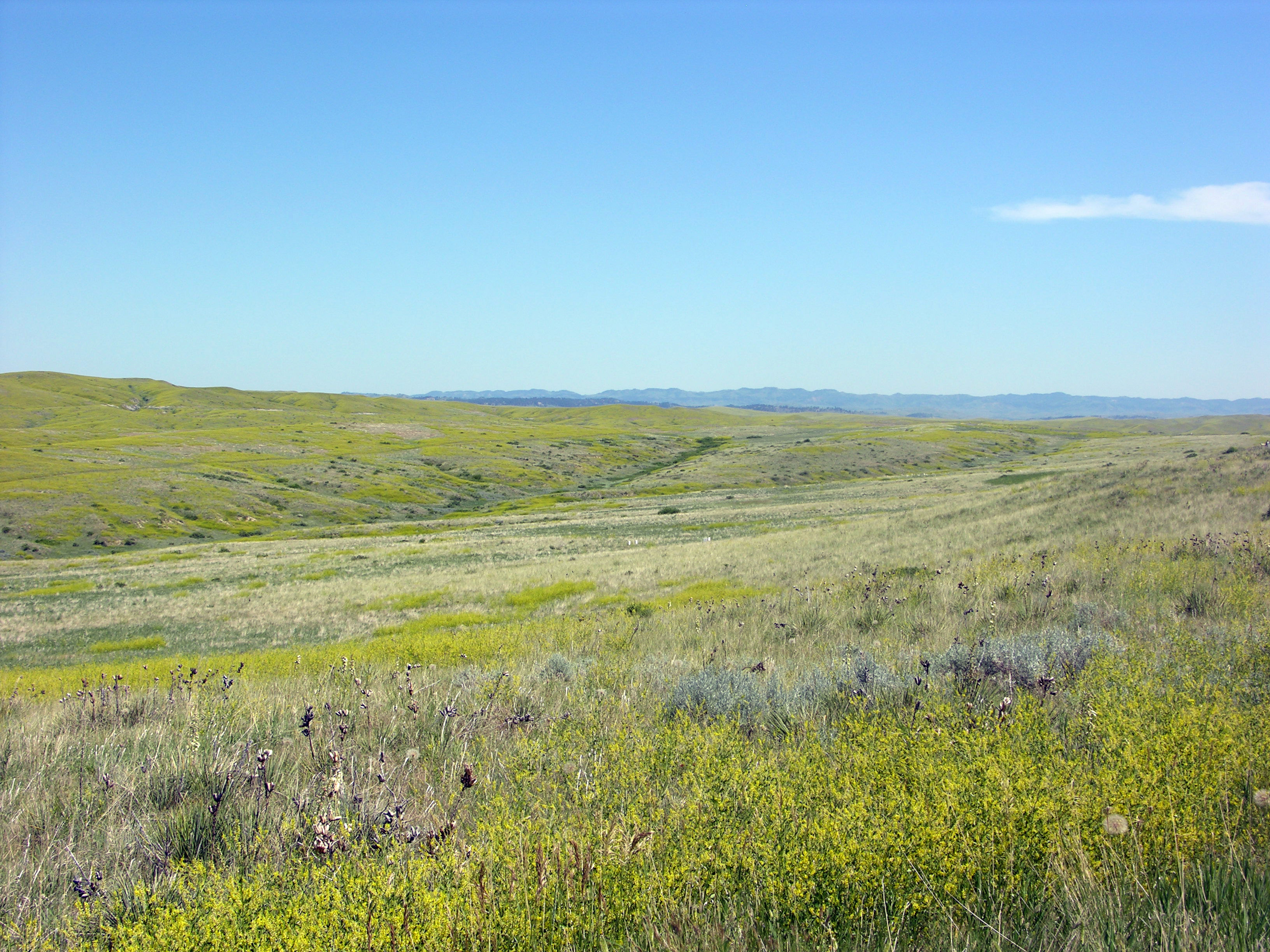
The Little Bighorn Battlefield lies at approximately 45.57N, 107.43W near Crow Agency, Montana. The terrain features rolling grassland cut by ravines descending to the Little Bighorn River. Custer Hill and the marble obelisk marking the mass grave are visible from the air. The Reno-Benteen battlefield sits 3 miles southeast. Fly in from Billings Logan International Airport (KBIL), 65 miles northwest. The nearest strip is Crow Agency Airport (CRA, private). Best viewed at 1,500-2,500 feet AGL to trace the cavalry movements from Last Stand Hill to the river crossing.