Battle of Tippecanoe: The Fight That Made a President
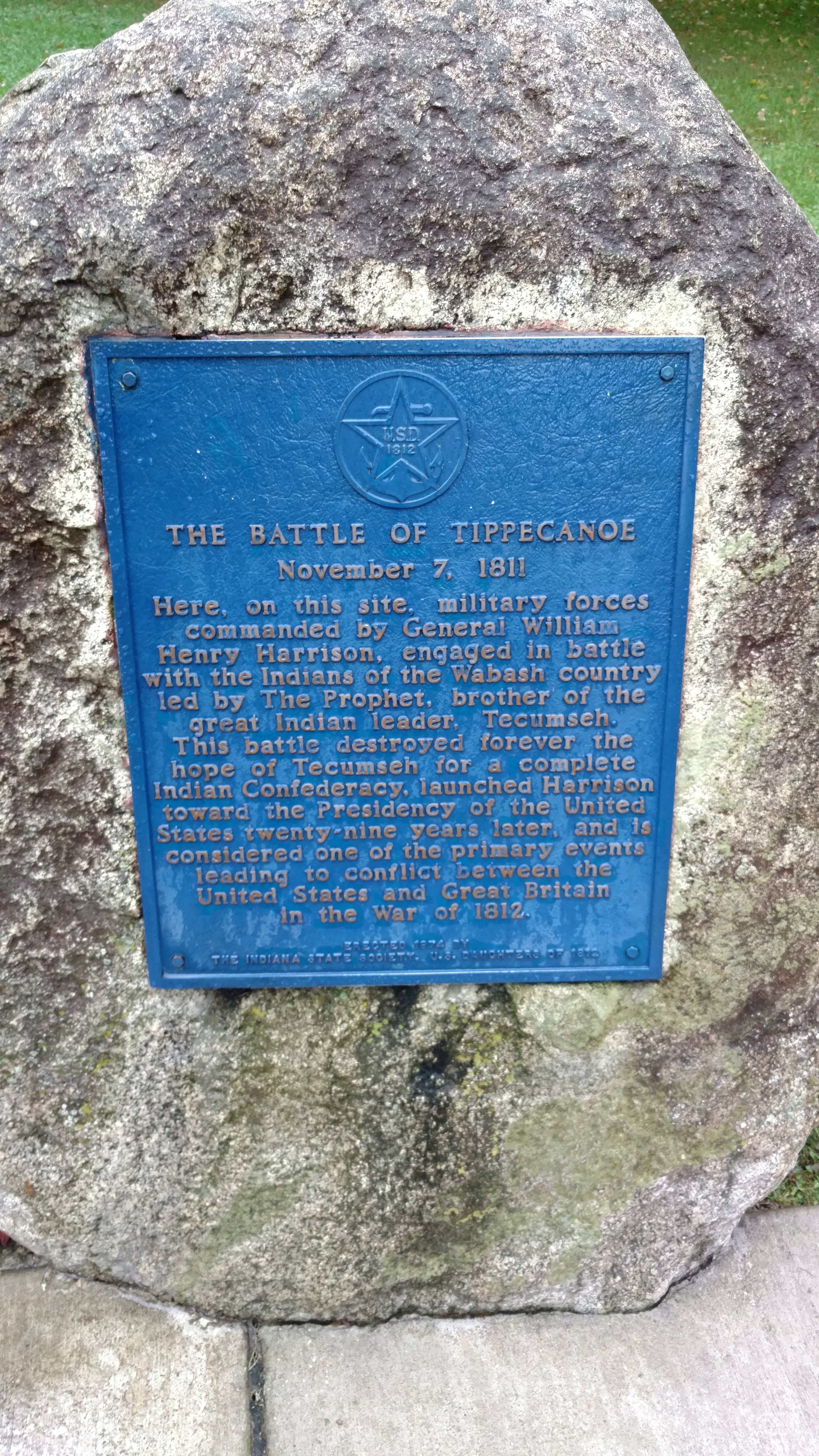
Tecumseh asked for one thing before he left: no mischief. In the autumn of 1811, the Shawnee leader was traveling south to recruit Muscogee and Choctaw allies for his growing confederacy of tribes resisting American expansion into the Indiana Territory. He left his brother Tenskwatawa, known as the Prophet, in charge of Prophetstown, their headquarters near the confluence of the Tippecanoe and Wabash rivers. He told both Tenskwatawa and Governor William Henry Harrison that he wanted peace until his return. Neither man listened. Harrison marched north with a thousand soldiers. Tenskwatawa's warriors attacked the American camp before dawn on November 7. The two-hour battle that followed destroyed a village, scattered a confederacy, and minted a political slogan that would echo for three decades: "Tippecanoe and Tyler too."
Three Million Acres of Grievance
The road to Tippecanoe began with land. Harrison, appointed governor of the Indiana Territory in 1800, negotiated a series of cession treaties with the Miami, Potawatomi, Lenape, and other tribes. The 1809 Treaty of Fort Wayne transferred approximately three million acres to the United States. Tecumseh rejected the treaty outright. He and Harrison met face-to-face at Grouseland, the governor's Vincennes home, in 1810. Tecumseh demanded the lands returned and the treaty nullified. Harrison insisted each tribe had made separate, binding agreements. Tecumseh was blunt: return the land and he would serve America loyally; refuse and he would seek a British alliance. The Mohawk leader Joseph Brant had advocated a similar philosophy of tribal unification a generation earlier. Now Tecumseh was building something larger, a multi-tribal resistance centered at Prophetstown, where Tenskwatawa preached a return to ancestral ways.
Before Dawn on Burnett's Creek
Harrison's army arrived near Prophetstown on November 6, 1811, and camped on a bluff above Burnett's Creek. His aide-de-camp, Lieutenant Colonel Joseph Bartholomew, ordered the troops to sleep fully dressed with weapons loaded. Blazing fires burned through the rain, illuminating the camp but also silhouetting the sentries. Tenskwatawa, a spiritual leader rather than a military commander, assured his warriors that his spells would render them invulnerable and confuse the Americans. Around 4:30 a.m. on November 7, scattered gunshots woke the camp. Harrison's men found themselves nearly encircled. The element of surprise was lost almost immediately, forcing the warriors into disorganized small assaults rather than a coordinated strike. Captain Robert Barton's regulars and Captain Frederick Geiger's Kentucky militia took fierce initial attacks and could not hold their line. Major Joseph Hamilton Daveiss, Kentucky's well-liked U.S. District Attorney, led a dragoon counter-charge on the northern end and was killed in the effort.
Two Hours That Changed Everything
The battle lasted roughly two hours. Harrison shifted reserves to plug breaches in his lines, and the regulars reinforced the critical front section facing Prophetstown. The warriors' war chiefs, White Loon and Stone Eater, directed repeated charges, but ammunition ran low. As the sun rose, it revealed the dwindling size of Tenskwatawa's forces, and the warriors dispersed into the woods. Harrison's casualties were significant: 37 killed in action, 25 mortally wounded, 126 with lesser injuries. The Yellow Jackets lost all but one officer. Native casualties were lower, with historians estimating around 50 killed and 70 to 80 wounded. After the fighting stopped, Harrison's troops burned the abandoned village of Prophetstown and destroyed the winter food supplies stored there. They then loaded their wounded onto wagons and marched south to Vincennes.
Victory, Doubt, and a Campaign Slogan
Harrison declared a decisive victory. Not everyone agreed. Kentucky newspapers, mourning the popular Daveiss, criticized the governor. The Long Island Star wrote that Harrison's account "is not very satisfying." Secretary of War William Eustis demanded to know why Harrison had not fortified his camp. Historian Alfred Cave later noted that contemporaneous reports from Indian agents, traders, and officials offered no confirmation of a decisive American win. Tecumseh's confederacy rebuilt Prophetstown and increased frontier attacks in the months that followed. By the time the United States declared war on Britain in 1812, Tecumseh had allied openly with the British. Yet the political narrative held. Harrison's nickname, Tippecanoe, stuck. The Whig Party turned it into one of the most famous slogans in American political history: "Tippecanoe and Tyler too" carried Harrison to the presidency in 1840. Five Indiana counties were named for soldiers who fought there. In 1908, the state erected an obelisk at the battleground. In 1960, the Tippecanoe Battlefield became a National Historic Landmark.
From the Air
Located at 40.507°N, 86.844°W near Battle Ground, Indiana, at the confluence of the Tippecanoe and Wabash rivers. The battlefield is approximately 7 miles northeast of Lafayette. The Tippecanoe Battlefield Park and its memorial obelisk are visible from lower altitudes. Purdue University Airport (KLAF) in West Lafayette is the nearest field, about 8 miles southwest. The terrain is rolling Indiana farmland with the river confluence marking the historic site.