Battle of Vizagapatam
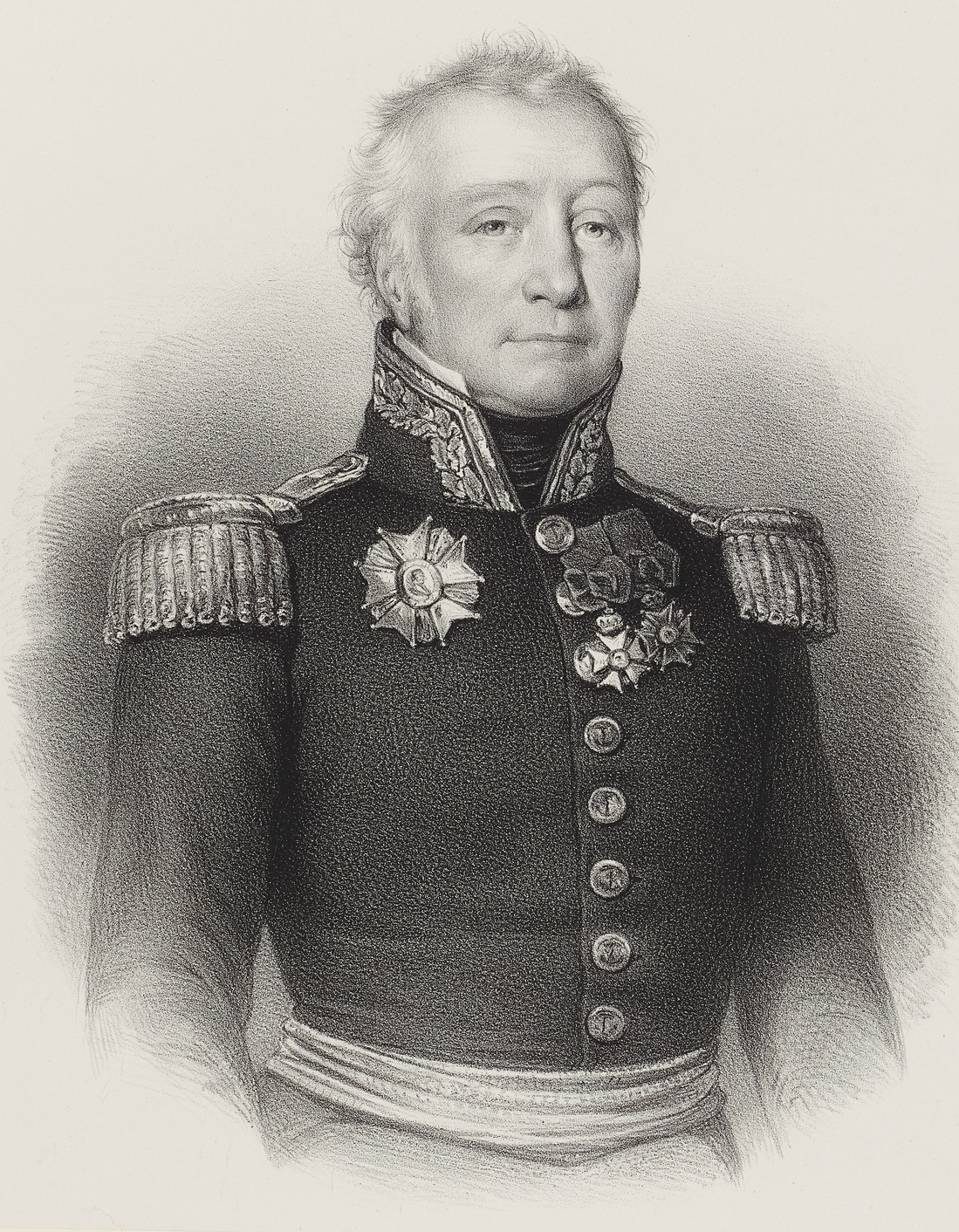
Napoleon called him a coward. By September 1804, Counter-Admiral Charles-Alexandre Durand Linois had been cruising the Indian Ocean for months, seizing merchant ships and dodging the powerful British squadrons that hunted him. Seven months earlier, at the Battle of Pulo Aura near the Strait of Malacca, he had attacked a convoy of East India Company merchantmen worth eight million pounds -- then lost his nerve and withdrew, leaving the treasure fleet intact. Napoleon's letter was acid: Linois believed "that war can be made without running risks." Now, sailing his battered ship of the line Marengo north along the Andhra coast with two frigates in company, Linois spotted what seemed like redemption anchored in the roads of Vizagapatam harbour.
An Admiral's Gamble
What Linois did not know was that the British had changed the rules. Rear-Admiral Peter Rainier, increasingly alarmed by French raids along the Bay of Bengal, had quietly replaced the small frigate HMS Wilhelmina with the 50-gun HMS Centurion as escort for the two East Indiamen loading cargo at Vizagapatam. Captain James Lind had sailed Centurion from Madras earlier that month, arriving with the merchant vessels Barnaby and Princess Charlotte. The convoy appeared vulnerable -- two laden merchantmen and a single warship anchored in shallow coastal waters. From a prize captured off Masulipatam, Linois learned of the Indiamen and set course immediately, expecting an easy victory. At six in the morning on 15 September, the French squadron appeared on the horizon.
Four Hours Under Fire
The French approach unraveled almost immediately. One of the East Indiamen, Barnaby, panicked and drove herself ashore to avoid capture. Princess Charlotte, carrying 24 guns, sat at anchor in silence -- her crew never fired a shot throughout the entire engagement. That left Centurion alone against the 74-gun Marengo and the frigates Atalante and Semillante. When the French frigates closed to within 200 yards, a lieutenant named Phillips opened fire on Atalante while a three-gun shore battery under Lieutenant Colonel Alexander Campbell of the 74th Regiment of Foot joined the fight from land. Campbell dispatched fifty sepoys in boats to reach the motionless Princess Charlotte, but her guns stayed silent. By ten o'clock, all three French ships were pouring fire into Centurion. Within fifteen minutes, both Centurion and Marengo had their battle colours shot away. The fighting was close, sustained, and brutal -- the kind of engagement where rigging falls in tangles across the deck and gun crews work through choking smoke.
The Stubborn Centurion
At a quarter to eleven, Marengo turned for open water, her rigging shredded, followed by the two frigates. Centurion had held. But she had paid for it -- the ship was so badly damaged she could barely maneuver, limping inshore to shelter among the coastal shoals where the deep-drafted Marengo could not follow. Captain Lind, who had been ashore when the attack began, rejoined his ship by boat during the action. He hailed Princess Charlotte one final time, ordering her crew to cut their anchor cables and beach the vessel rather than let her be captured. Both sides claimed victory afterward: France pointed to the capture of Princess Charlotte, which had never resisted. Britain celebrated the survival of a 50-gun ship against a 74-gun ship of the line and two frigates -- a feat of stubborn defiance that embarrassed Linois further.
The Long Retreat to Mauritius
For Linois, the engagement at Vizagapatam marked the beginning of the end. Marengo had sustained enough damage that the squadron was forced to abandon its Indian Ocean raiding campaign and limp back to Ile de France -- modern-day Mauritius -- where six months of repairs awaited. Linois justified his withdrawal in a letter, arguing that pressing the attack against Centurion risked crippling his flagship beyond repair, which would have ended all operations against British commerce. The logic was sound, but it fit an emerging pattern. At Pulo Aura he had retreated from merchantmen. At Vizagapatam he had retreated from a ship half his size. The news only deepened Napoleon's contempt and Governor-General Charles Decaen's frustration. The harbour at Vizagapatam returned to its rhythms of trade and loading. Today nothing at the port marks the morning when French and British guns exchanged fire across the warm waters of the Bay of Bengal -- but the encounter shaped Linois's reputation as the admiral who always withdrew.
From the Air
Located at 17.68N, 83.32E along the Bay of Bengal coast at modern Visakhapatnam (Vizag). The harbour approaches where the battle occurred are visible from altitude -- look for the natural bay and port facilities. Visakhapatnam Airport (ICAO: VOVZ) lies just inland. Best viewed at 3,000-5,000 feet for the full coastal panorama. The Eastern Naval Command headquarters is now situated nearby, continuing the area's long naval tradition.