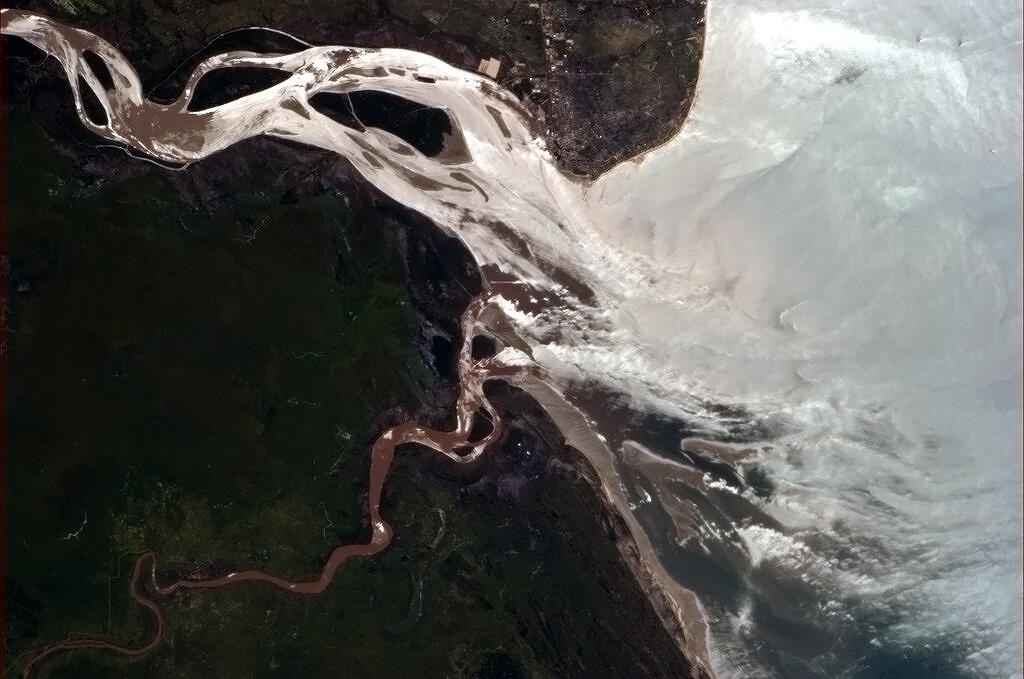
Beira
Ninety percent of a city destroyed in a single night. That was Beira in March 2019, when Cyclone Idai made direct landfall on Mozambique's second-largest city with sustained winds of 165 kilometers per hour. The storm surge swallowed entire neighborhoods. Yet within a few years, Beira was rebuilding again -- not for the first time, and almost certainly not for the last. This Indian Ocean port at the mouth of the Pungue River has been absorbing catastrophe and reinventing itself for over a century, each time retaining the stubborn hospitality and faded beauty that define it.
A Playground Between Empires
Beira's story is inseparable from the ambitions of colonial powers. Capital of Sofala Province and gateway to the interior, the city grew as a port linking landlocked Rhodesia to the sea. Portugal held Mozambique as a colony, and during the 1950s and 1960s, Beira became a playground for wealthy white Rhodesians -- a place where the UN embargo against Ian Smith's regime simply did not apply. Hotels filled, the beaches at Macuti drew holiday crowds from Salisbury, and money flowed through the harbor. The Grande Hotel, an extravagant Art Deco monument, opened in 1955 as a symbol of colonial aspiration, though it never turned a profit. When Mozambique gained independence in 1975, the world that sustained Beira's colonial economy vanished almost overnight.
Scars and Resilience
Independence brought the Frelimo government to power, but peace did not follow. The Mozambican Civil War erupted in 1977 and ground on for fifteen years, devastating the country's infrastructure. Rail services -- the economic arteries connecting Beira to Chimoio, Tete, and the Moatize coal fields -- were completely halted. Roads deteriorated. The population swelled with refugees fleeing rural violence, many of whom settled in the Grande Hotel, transforming an abandoned luxury resort into a vast squatter community. The war ended in 1992, but its aftershocks shaped Beira for decades. Buildings crumbled, services were slow to return, and the city developed the particular character it carries today: beautiful but worn, generous but wary, always improvising.
Life on the Indian Ocean
For all its hardship, Beira rewards those who arrive with open eyes. The Mercado Central buzzes with vendors selling spices, fresh fish, and tropical fruit. Restaurants like Kanimambo serve excellent Chinese food in air-conditioned rooms, while Nautico offers swimming pools and views across the Indian Ocean. Beyond the city, Savanna Beach lies 20 to 30 kilometers out of town, reachable by chapa -- the ubiquitous minibuses that are Beira's circulatory system -- and a short boat ride across a channel. The water is cleaner there, the waves better, and a simple restaurant sets the mood. Closer in, Rio Maria offers a quiet escape where river meets sea, though the sandy road demands a cautious driver.
The Rail Lines Return
Perhaps nothing signals Beira's slow recovery more than the return of its trains. Rail services, halted entirely during the civil war, have been gradually restored. Twice-weekly long-distance trains now connect Beira to Moatize, near Tete, departing on Wednesdays and Saturdays -- a journey through the interior of northwestern Mozambique. Another line runs to Chimoio, Sofala's neighbor to the west, with third-class-only carriages rattling through the countryside for about five hours. Daily commuter trains link nearby Dondo. The schedules are imperfect, the ticketing process requires patience and early arrival, but the tracks are alive again. Long-distance buses from Maputo and other cities supplement the rail network, departing around 4:30 in the morning for the long haul north.
Still Standing
Beira's vulnerabilities are real. The Baixa district is not safe to walk at night. Friday and Saturday evenings bring heavy drinking and unpredictable roads. The city sits barely above sea level on a coastline increasingly battered by extreme weather, and climate scientists have identified it as one of Africa's most exposed cities. But Beira's people have rebuilt after colonial abandonment, civil war, and a cyclone that leveled nearly everything. As of 2025, the city is mainly reconstructed, even if some areas remain rough around the edges. Few tourists find their way here, but those who do discover something rare: a city that has every reason to have given up, and hasn't.
From the Air
Located at 19.83S, 34.85E on the coast of central Mozambique at the mouth of the Pungue River. Beira Airport (FQBR) serves the city with domestic and limited international flights. The city is visible from altitude as a coastal settlement with a prominent harbor and river mouth. The distinctive beachfront at Macuti and the port facilities are recognizable landmarks. Nearby Gorongosa National Park lies 200-300 km to the northwest.