Bellingham (Washington)
Bellingham has mastered the art of understatement. The city's official slogan - 'City of Subdued Excitement' - captures something essential about a place that consistently ranks among the best small cities in America yet refuses to make a fuss about it. Here, 92,000 people live with the North Cascades practically in their backyard, Mount Baker's glaciers visible from downtown streets, the San Juan Islands a short ferry ride away. The northernmost city of significant size in the contiguous United States, Bellingham occupies a sweet spot between Seattle's intensity and the border crossing to Vancouver. It's a college town, an outdoor recreation hub, and an increasingly popular destination for those fleeing bigger cities - drawn by scenery, quality of life, and a culture that values substance over spectacle.
Fairhaven and Historic Bellingham
The Fairhaven district feels like its own small town - because it once was. This historic neighborhood at Bellingham's southern edge retains the brick buildings and human scale of its origins, when it competed with neighboring settlements for railroad terminus status. Today, Fairhaven's Village Green hosts the Saturday farmers market, its bookstores and cafes draw crowds from across the region, and the Alaska Ferry terminal sends passengers north to Juneau and beyond.
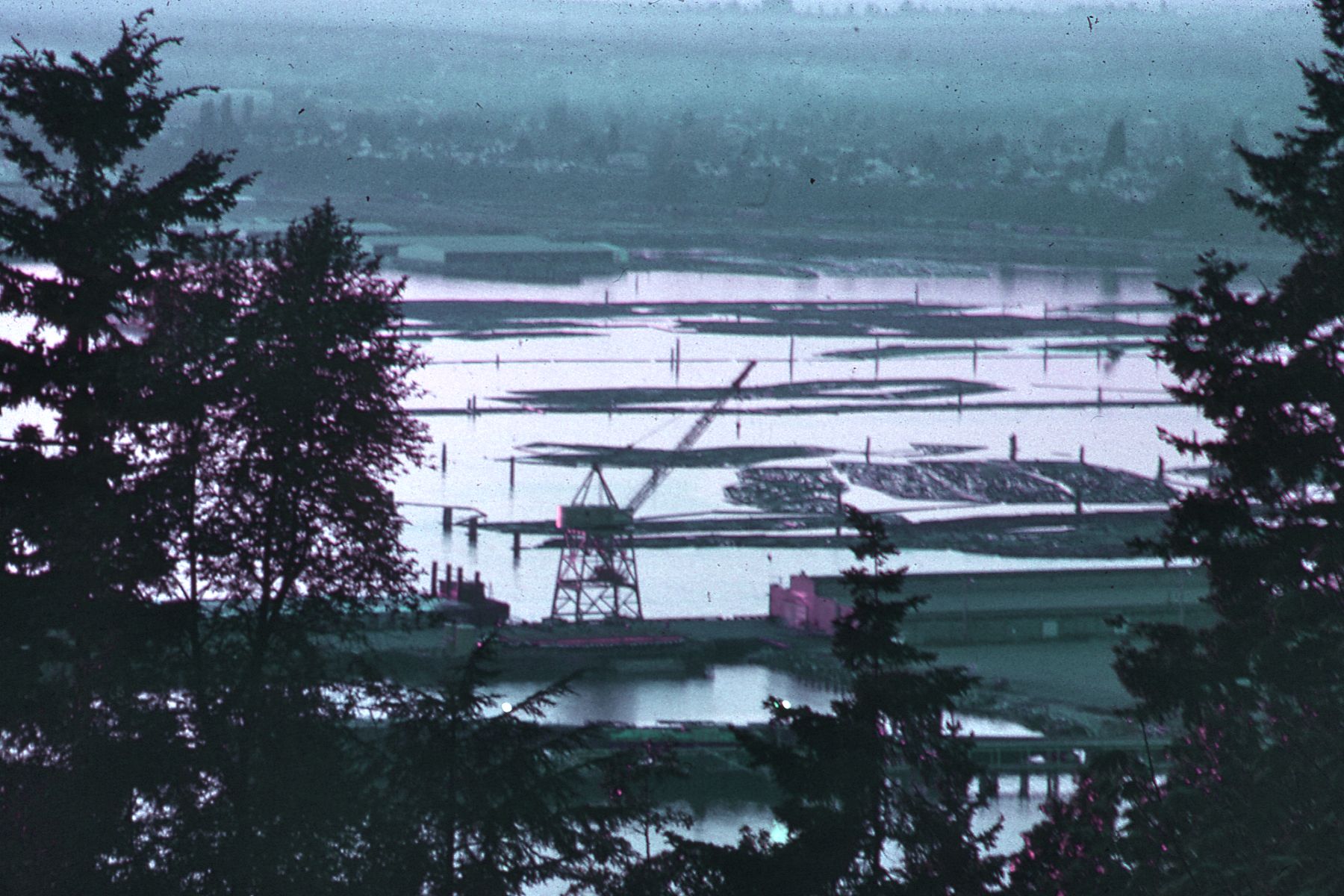
The rest of Bellingham consolidated from four separate communities, each leaving its architectural trace. Downtown proper, north of Western Washington University, offers a working commercial district where local businesses outnumber chains. The Lettered Streets neighborhood climbs the hill with Victorian homes. The waterfront, once dominated by a Georgia-Pacific pulp mill, is transforming into a mixed-use district that brings the city's center back to Bellingham Bay.
Gateway to Adventure
Few American cities offer Bellingham's combination of accessibility and wilderness. Mount Baker rises 35 miles to the east, its ski area holding the world record for single-season snowfall. The North Cascades Highway (when open) threads through mountain wilderness toward Winthrop and eastern Washington. The San Juan Islands scatter across the water to the west. Vancouver, British Columbia, lies barely an hour north.
The outdoor recreation industry has become central to Bellingham's economy. Gear companies have headquartered here. Mountain bikers have carved an intricate trail network into the surrounding hills - Galbraith Mountain alone offers dozens of routes. Rock climbers train on local crags before tackling the North Cascades' alpine routes. Sea kayakers explore the islands. And in winter, when Mount Baker's powder piles deep, the ski runs fill with locals who can reach the mountain in under an hour from downtown.
The University Town
Western Washington University spreads across Sehome Hill, its campus anchored by an outdoor sculpture collection that ranks among the finest on the West Coast. Works by Isamu Noguchi, Richard Serra, and Mark di Suvero dot the grounds. The Sehome Hill Arboretum adjoins the campus, offering trails through second-growth forest to viewpoints overlooking the city and bay.
The university brings 16,000 students to Bellingham, keeping the city young and infusing it with the energy that college towns possess at their best. The music scene punches above its weight. Local theater thrives. Coffee culture runs deep - serious roasters, discerning drinkers, cafes that serve as living rooms for the laptop-equipped and the lingering. Western's influence extends beyond its official programs, creating a community that values education, arts, and the examined life.
Chuckanut Drive
The Chuckanut Drive may be the most beautiful commute in America. This narrow road carved into the cliffs between Bellingham and the Skagit Valley offers 21 miles of views that stop traffic - drivers pulling over simply to stare at the San Juan Islands floating in Samish Bay, the Olympics rising beyond, the water catching light in ways that seem impossible. The drive was the original route between Seattle and Vancouver before I-5 was built, and it retains a sense of older, slower travel.
The Chuckanut Mountains rise directly from the water, their lower slopes covered in madrone and Douglas fir. Trailheads access a network of paths that climb to viewpoints and connect to the Interurban Trail running south toward Lake Samish. Restaurants cling to the cliffs - Chuckanut Manor and the Oyster Bar serving seafood with views that justify any price. The drive works best slowly, windows down, aware that you're traveling through landscape that could anchor a national park elsewhere.
The Canada Connection
Bellingham exists in the border zone. The Peace Arch crossing to Surrey, B.C., lies 30 minutes north. Vancouver - world-class city, 2010 Winter Olympics host - is a day trip away. This proximity shapes the city in subtle ways. The Cascadia bioregion doesn't stop at the border; watersheds, ecosystems, and increasingly, economies flow across it. Bellingham serves as Seattle's northern anchor and Vancouver's southern gateway.
The border brings quirks. Canadians drive down to shop. Americans drive up for weekends. Bellingham's airport offers bargain flights that draw passengers from both sides of the line. And the cultural influence runs both ways - the laid-back Pacific Northwest aesthetic that defines Bellingham has roots in both American and Canadian traditions, a fusion of values that emerges when mountains and water matter more than national identity.
From the Air
Located at 48.76°N, 122.49°W on Bellingham Bay. The city spreads from the waterfront up into surrounding hills. Mount Baker (10,781 ft) dominates the eastern horizon, clearly visible from the city. Western Washington University campus is prominent on Sehome Hill. The industrial waterfront is transforming into mixed-use development. The Alaska Ferry terminal is visible at the south end of the bay in Fairhaven. I-5 runs north-south through the eastern part of the city. Chuckanut Drive traces the coast south of town. Nearest airports: Bellingham International (KBLI), Vancouver International (CYVR) 50nm north across the border. The city often enjoys better weather than Seattle due to Olympic rain shadow effects.