The Bhopal Disaster: The Night a Pesticide Plant Killed a City
Just after midnight on December 3, 1984, a storage tank at the Union Carbide pesticide plant in Bhopal, India, began leaking methyl isocyanate - one of the most toxic industrial chemicals in existence. The wind carried the gas into the densely populated neighborhoods surrounding the plant. People woke choking, vomiting, unable to see. They ran blind through the streets, trampling neighbors, falling where they stood. By dawn, at least 3,800 people were dead. The final toll - including those who died from exposure-related illnesses in the following years - may exceed 16,000. It remains the world's worst industrial disaster, and the site remains contaminated to this day.
The Plant
The Union Carbide India Limited plant in Bhopal manufactured Sevin, a pesticide used across India's agricultural economy. The plant stored methyl isocyanate (MIC), an extremely reactive chemical that is toxic at concentrations as low as 5 parts per million. MIC reacts violently with water, producing intense heat and toxic gases.
The plant had been losing money, and safety had been cut to reduce costs. Refrigeration units meant to keep MIC cool had been shut down. The gas scrubber that should have neutralized any leak was undersized. The flare tower that should have burned off excess gas was disconnected for maintenance. When the disaster struck, every safety system that might have prevented it was offline.
The Leak
Sometime in the evening of December 2, water entered Tank 610, which contained 42 tons of MIC. The water reacted with the chemical, generating heat. The temperature inside the tank rose rapidly. Pressure built. Just after midnight, a relief valve opened, venting MIC gas directly into the atmosphere.
The gas was heavier than air. It flowed along the ground, pooling in low-lying areas, seeping into homes where families slept. The first warning most residents had was the burning in their eyes and lungs. By then, they had already been exposed to lethal concentrations.
The Flight
Tens of thousands of people fled into the night, but running only made the exposure worse - heavy breathing drew more poison into their lungs. Some ran toward the plant, not knowing where the gas was coming from. Others trampled neighbors in the darkness. Parents carried children who were already dead.
The hospitals were overwhelmed. Doctors didn't know what chemical had been released - Union Carbide initially refused to identify it. There was no specific antidote. Medical staff treated thousands of patients with no guidance on what was killing them. Many doctors and nurses became casualties themselves.
The Toll
The immediate death toll was at least 3,800, though some estimates exceed 8,000 for the first few days. Over 500,000 people were exposed to the gas. In the following decades, tens of thousands more would die from exposure-related illnesses - respiratory disease, cancer, neurological damage, immune system disorders.
Children born to exposed parents showed elevated rates of birth defects. The area around the plant remains contaminated with chemical waste. Groundwater in neighborhoods near the plant contains toxic levels of heavy metals and chlorinated compounds. The disaster didn't end in December 1984 - it continues today.
The Aftermath
Union Carbide's CEO Warren Anderson flew to India and was briefly arrested, then allowed to leave the country. He never returned to face charges. In 1989, Union Carbide settled with the Indian government for $470 million - roughly $500 per victim. The settlement was widely criticized as grossly inadequate.
In 2001, Dow Chemical acquired Union Carbide and has consistently refused to accept liability for Bhopal. The abandoned plant still stands, leaking chemicals into the soil. Activists continue to demand cleanup and compensation. The Bhopal disaster revealed how easily industrial catastrophe could occur when cost-cutting overrides safety - a lesson that remains relevant wherever hazardous chemicals are manufactured.
From the Air
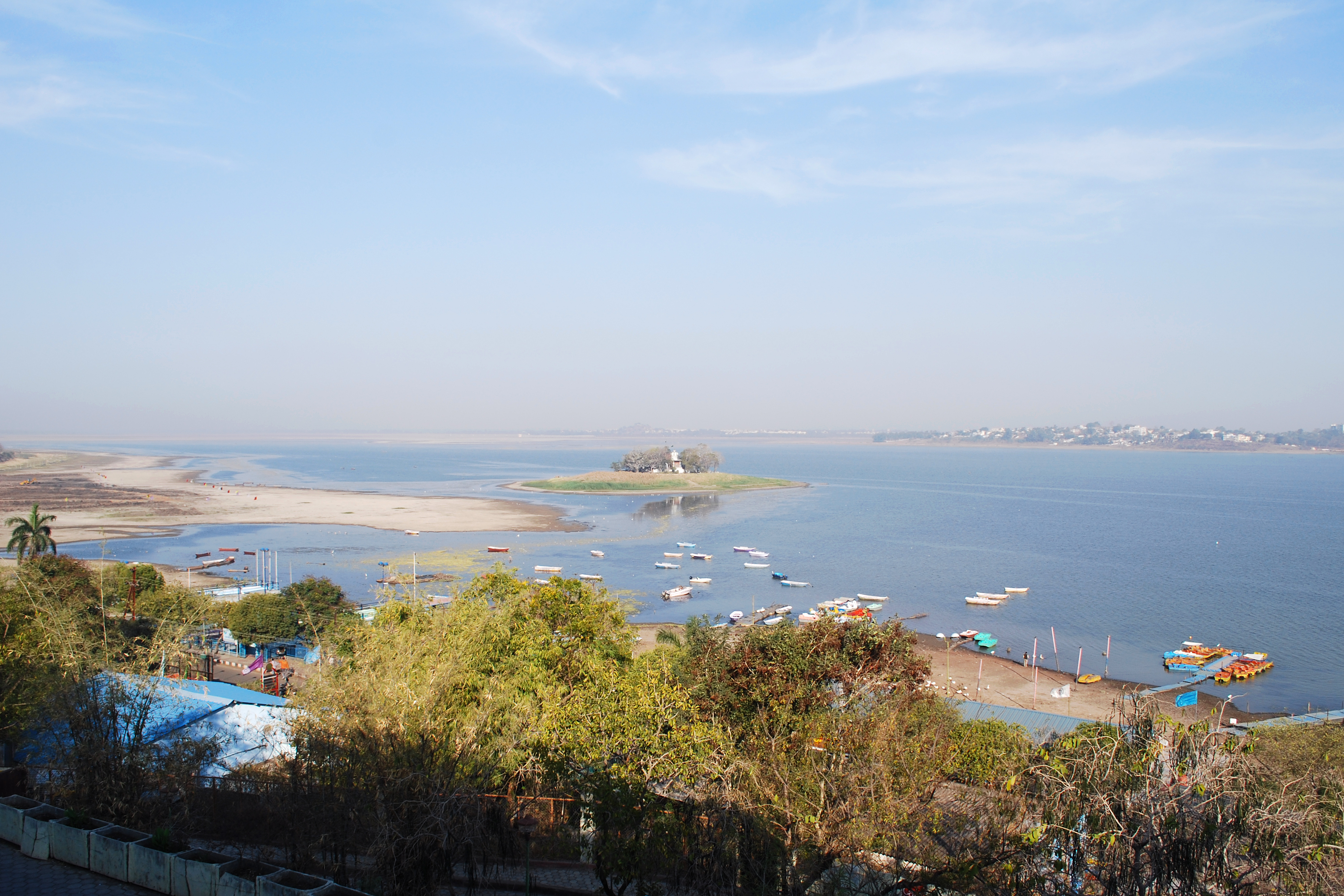
Bhopal (23.26N, 77.41E) is the capital of Madhya Pradesh state in central India. Raja Bhoj Airport (VABP) is 12km northwest of the city center. The Union Carbide plant site is in the northern part of the city, near the old city area. The plant remains standing but abandoned. Bhopal is also known for its lakes and as an educational center. Weather is tropical - hot summers, monsoon season June-September.