Big Pit National Coal Museum
They take your phone, your watch, your car keys. Anything with a battery, anything that could produce a spark. Then they strap a cap lamp to your head, load you into the cage, and drop you ninety metres straight down into the earth. The descent takes about a minute. When the cage stops and the gate opens, you step out into a world without natural light, without signal, without any connection to the surface except the shaft you just came through. This is Big Pit, and this is what going to work felt like for the men and boys of Blaenavon for a hundred years.
From Iron to Coal
The mine began as an iron working around 1810, when Engine Pit Level was driven into the mountainside by hand, decades before dynamite was invented. The iron deposits were shallow, but below them lay coal, and as the iron industry gave way to the coal trade, the Blaenavon Iron and Coal Company sank deeper shafts. Big Pit operated as a working coal mine from 1880 to 1980, one node in the vast network of collieries that powered the Industrial Revolution from the South Wales Valleys. The coal went south to the docks at Cardiff and Newport, fuelling the engines and heating the homes of an empire. The men who dug it out worked in conditions that were dangerous, dark, and often deadly.
Ninety Metres Down
The underground tour is the reason people come, and it is unlike any museum experience in the world. Former miners serve as guides, leading groups through the tunnels and workfaces where they themselves once earned a living. They explain the geology, the ventilation systems, the constant threat of gas, roof collapse, and flooding. They show visitors the stalls where pit ponies lived underground for months at a time, the air doors that directed ventilation through the labyrinth of passages, and the narrow coal faces where men lay on their sides to swing a pick. The darkness is absolute. When the guide asks everyone to switch off their cap lamps, the blackness is so complete you cannot see your own hand. That, the guides say, is what happened when your lamp went out.
World Heritage, National Memory
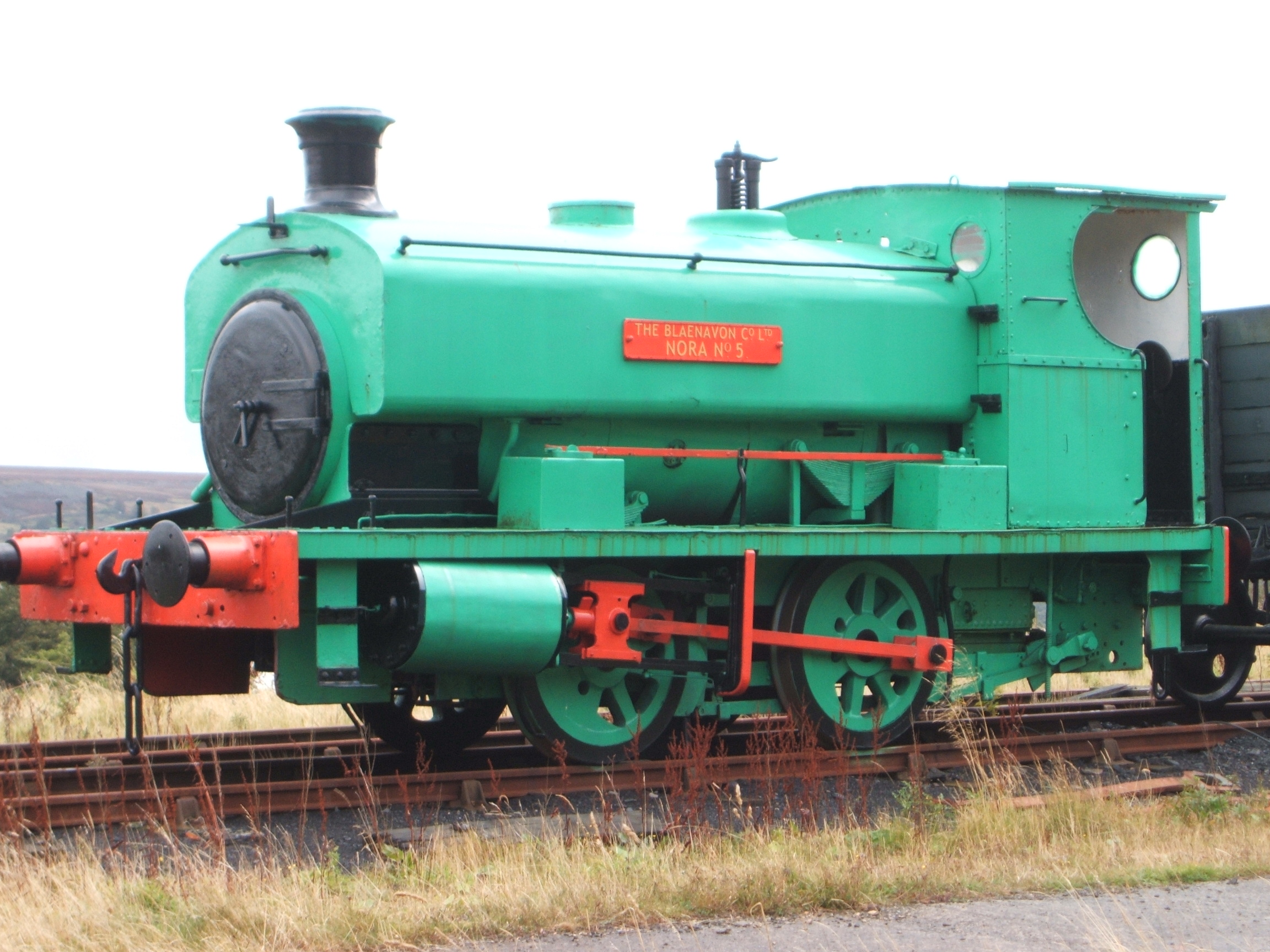
Big Pit is part of the Blaenavon Industrial Landscape, designated a UNESCO World Heritage Site in recognition of the area's extraordinary contribution to the Industrial Revolution. It is also an Anchor Point of the European Route of Industrial Heritage. The museum was opened to the public in 1983 as a charitable trust and incorporated into the National Museums and Galleries of Wales in 2001 as the National Mining Museum of Wales. In 2005, it won the Gulbenkian Prize for Museum of the Year. The surface buildings, pithead frame, winding gear, miners' baths, and canteen are all listed structures. Together with the preserved Pontypool and Blaenavon Railway next door, they form a complete portrait of a working colliery preserved at the moment it stopped working.
The Guides Remember
What makes Big Pit different from other industrial museums is not the machinery or the tunnels. It is the men. The former miners who guide visitors underground bring something that no exhibition panel or audio recording can replicate: lived experience. They remember the weight of a full dram of coal, the taste of dust in the back of the throat, the camaraderie of the canteen, and the sick dread of hearing a roof creak. Some remember fathers and grandfathers who worked the same seam before them. South Wales lost its coal industry in the space of a generation, and the men who once went underground are growing older. Each year there are fewer who can stand at the bottom of the shaft and say: I was here. This is what it was. Big Pit keeps that testimony alive in the only place it makes sense, ninety metres below the surface, in the dark.
From the Air
Located at 51.77N, 3.10W in Blaenavon, Torfaen, within the Blaenavon Industrial Landscape World Heritage Site. The pithead frame and surface buildings are visible from the air. The preserved Pontypool and Blaenavon Railway runs alongside. Cardiff Airport (EGFF) lies approximately 25 miles to the south. Abergavenny is the nearest town of size, 7 miles to the northeast.