Birdwatching in Costa Rica
Dawn breaks over the cloud forest canopy, and the calls begin. A keel-billed toucan announces itself from a cecropia tree. Somewhere in the mist, a resplendent quetzal - that iridescent ghost of Mesoamerican mythology - flashes emerald and crimson as it darts between fruiting aguacatillo trees. In the space of a single morning walk, a birder might spot more species than exist in entire European countries. Costa Rica, a nation barely larger than Denmark, hosts over 800 bird species - roughly ten percent of the world's known avian diversity crammed into 0.03 percent of the planet's landmass. The secret lies in the collision of continents, the meeting of oceans, and the stacking of ecosystems from sea level to 12,000-foot volcanic peaks, all within a few hours' drive.
The Numbers Game
The statistics border on absurd. Sixteen species of parrots, including the flamboyant scarlet macaw, still wheel over both coasts. Fifty species of hummingbirds blur through gardens and forest edges, their names reading like a jeweler's catalog: violet sabrewing, fiery-throated hummingbird, snowcap. Ten species of trogons inhabit the forests, but one outshines them all - the resplendent quetzal, sacred to the Maya, with tail feathers that can reach three feet long. Add six toucan species, 36 raptors, 19 owls, 16 woodpeckers, and enough warblers, tanagers, and flycatchers to fill a lifetime of field guides. Southern Costa Rica, particularly the Osa Peninsula region, is generally considered the best area for spotting the greatest diversity.
Coastal Congregations
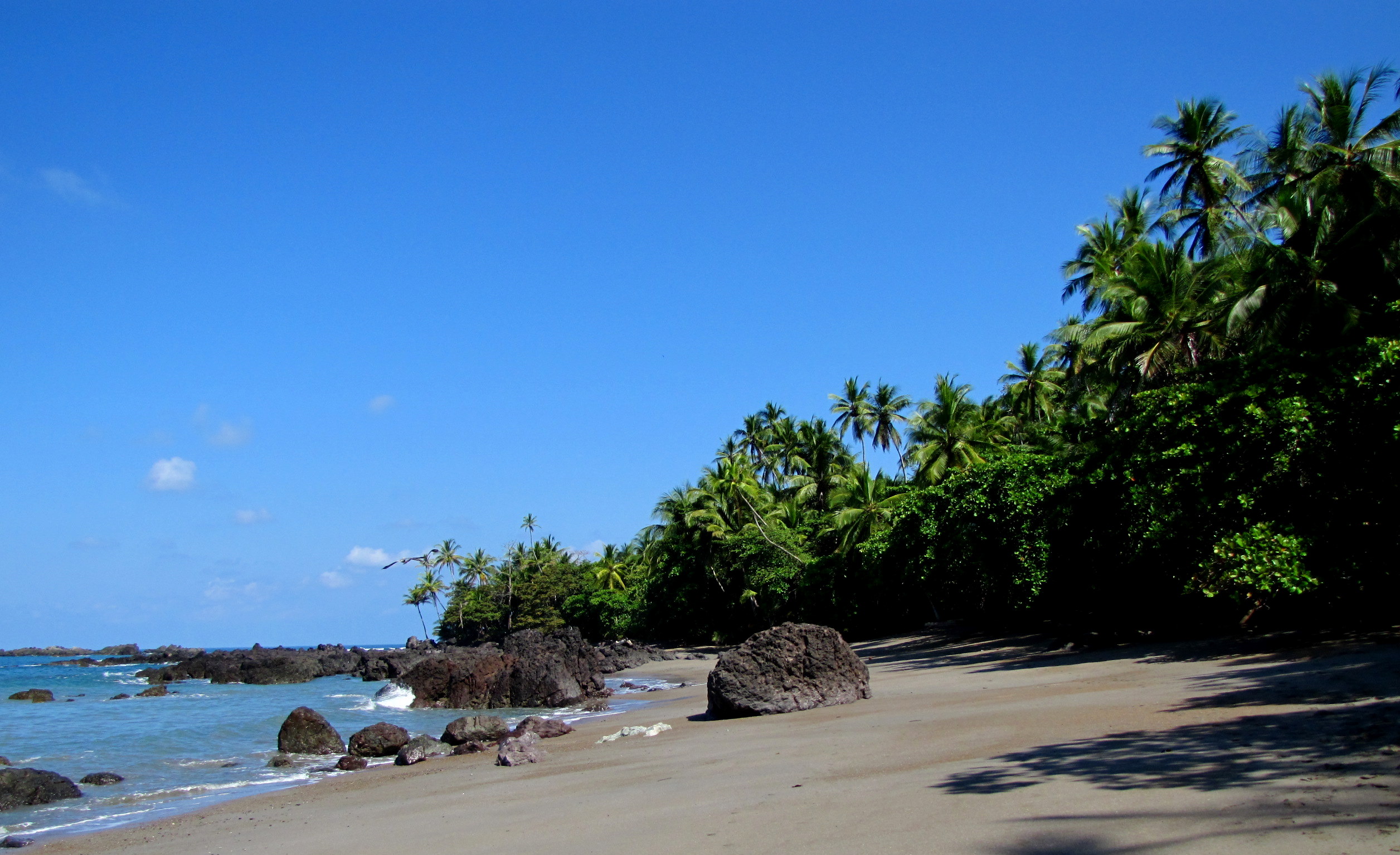
The country's Pacific and Caribbean coasts draw different assemblages of shorebirds, waterbirds, and migrants. Great blue herons stalk the mangrove edges while roseate spoonbills sweep their peculiar bills through the shallows. Jabiru storks - the tallest flying birds in the Americas - wade through wetlands. Northern harriers and peregrine falcons pass through on migration, while American kestrels and merlins hunt year-round. The beaches themselves attract sandpipers and plovers, while offshore, magnificent frigatebirds hang motionless on tropical thermals, waiting to pirate fish from less agile seabirds.
Essential Gear and Guides
Two field guides dominate the scene: 'Birds of Costa Rica' by F. Gary Stiles and Alexander Skutch - the comprehensive classic that serious birders tear apart to carry only the relevant plates - and Victor Esquivel Soto's illustrated guide. Both are heavy; many travelers photograph the pages they need and leave the books behind. Plastic laminated cards showing common species are sold at gift shops throughout the country. Binoculars are essential; a hat, rain gear, and good boots even more so. In lowland areas, an umbrella often proves more useful than a rain jacket in the tropical humidity. Unless you're an experienced neotropical birder, hiring a local guide transforms a good trip into an exceptional one - they know which trees are fruiting, which clearings attract the target species, and which calls belong to which skulkers.
From Cloud Forest to Coast
The diversity of habitats means the diversity of strategies. Cloud forest birding often means patience - watching a fruiting tree for the quetzal to appear, or following a mixed flock as it moves through the canopy. Lowland forest requires looking up, constantly, for canopy species that never descend. Wetlands demand stillness and early mornings. Garden feeders at mountain lodges can produce twenty hummingbird species before breakfast. The dry forests of Guanacaste differ from the Caribbean slope rainforests, which differ from the oak forests of the highlands. Each elevation band, each microclimate, each forest type harbors its own specialties. A week is barely enough to scratch the surface; a lifetime might not be enough to see it all.
From the Air
Located at 9.09N, 83.73W in southern Costa Rica near the Osa Peninsula. Juan Santamaria International Airport (MROC/SJO) in San Jose is the main gateway, about 300km north. Tobias Bolanos International (MRPV/SYQ) serves smaller aircraft. The southern region around Golfito has Golfito Airport (MRGF/GLF). Flying over Costa Rica, look for the dramatic terrain changes - from Pacific coastal mangroves to central volcanic highlands to Caribbean lowlands - all visible on a clear day. The country's protected areas (over 25% of national territory) appear as dark green forest patches against lighter agricultural land.