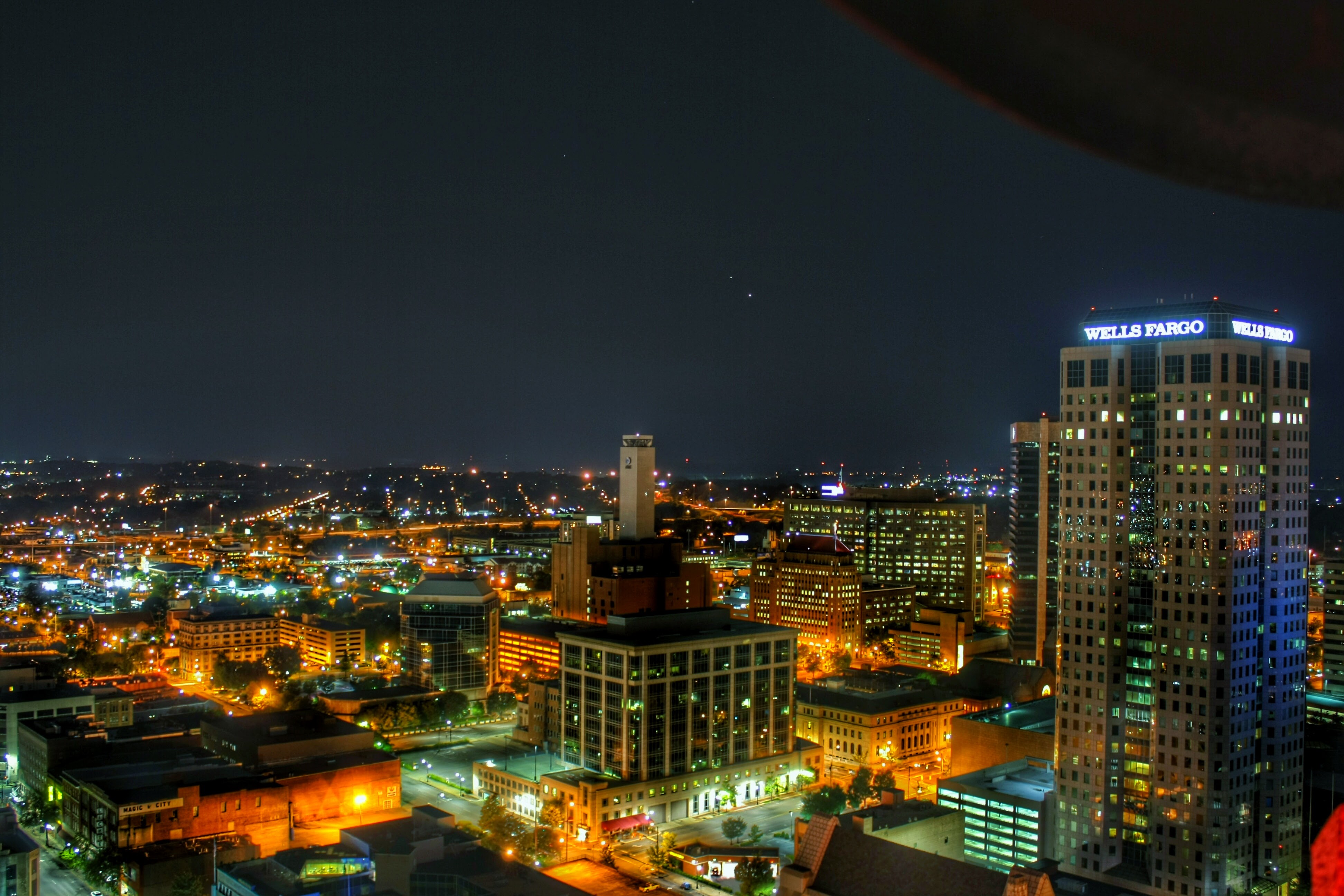
Birmingham: The Steel City That Shook the World
Birmingham was founded in 1871 at the intersection of two railroads, deliberately named for the great English industrial city to attract investment. The gamble worked: iron ore, coal, and limestone - the three ingredients for making steel - all lay within the city limits. Birmingham boomed as an industrial powerhouse, its foundries feeding America's appetite for steel. But Birmingham's other claim to history came in 1963, when Bull Connor turned fire hoses and police dogs on peaceful civil rights demonstrators, and the photographs shocked the conscience of America. The 16th Street Baptist Church bombing killed four girls that September. Birmingham became ground zero for the civil rights movement - the place where the battle was most violent, most televised, and ultimately won. The steel industry faded; the civil rights legacy endures.
The Civil Rights District
Kelly Ingram Park occupies four blocks in downtown Birmingham, an unremarkable urban green space except for what happened here in May 1963. Bull Connor, the city's Commissioner of Public Safety, ordered fire hoses and police dogs against peaceful marchers, many of them children. Photographers captured the images; newspapers published them worldwide; America saw what Birmingham segregation looked like. The Birmingham Civil Rights Institute, completed in 1992 across from the park, documents the movement through photographs, artifacts, and oral histories. The 16th Street Baptist Church stands on the park's edge - where four girls died in the bombing that September. Kelly Ingram Park is now named the 'Place of Revolution and Reconciliation,' its sculptures depicting snarling dogs and children facing fire hoses.
The Steel City
Birmingham rose on iron and steel. Sloss Furnaces, operating from 1882 to 1971, turned local iron ore into pig iron; the rusted blast furnaces now stand as a National Historic Landmark, a 32-acre monument to industrial Birmingham. Vulcan, the Roman god of the forge, overlooks the city from Red Mountain - at 56 feet, the largest cast iron statue in the world, forged in Birmingham iron for the 1904 World's Fair. The statue stood in the Alabama state exhibit, advertising the state's industrial capacity. Today, Vulcan Park offers views across the city from the observation tower. The steel industry that built Birmingham has largely departed, but Vulcan remains - iron watching over the city that made him.
Five Points South
Five Points South is Birmingham's entertainment district, a concentration of restaurants, bars, and boutiques around a landmark intersection near UAB (University of Alabama at Birmingham). The Storyteller Fountain anchors the district - a bronze sculpture depicting a seated man telling tales to gathered children. The neighborhood's 1920s commercial buildings now house restaurants ranging from Greek to Thai; the bars draw the UAB crowd. Highlands Bar and Grill earned James Beard Awards for its Southern cuisine; the restaurant scene has made Birmingham an unexpected foodie destination. The Birmingham Zoo lies southeast of downtown, while the Birmingham Botanical Gardens spread across 67 acres in the southern suburbs.
Magic City
Birmingham's rapid growth earned it the nickname 'Magic City' - a place that appeared almost overnight from the raw materials beneath its soil. The growth slowed when U.S. Steel controlled much of the local industry, keeping Birmingham wages below Northern competitors. The civil rights era revealed the city's other failures. After 1963, Birmingham worked deliberately to overcome its reputation: building the civil rights institute, preserving the church, creating memorials that force visitors to confront what happened here. The city that symbolized violent resistance to integration now presents itself as a model of reconciliation. Whether the transformation is complete remains debated; that the attempt is genuine seems clear.
Industrial Legacy
Birmingham-Shuttlesworth International Airport (BHM) serves the city with regional connections; Atlanta (ATL) offers more options 150 miles east. I-20, I-65, and I-59 all pass through Birmingham, making it a crossroads for the Southeast. The city spreads across Jones Valley between Red Mountain (where Vulcan stands) and the ridges to the north. From altitude, Birmingham appears as an urban center in Alabama's hill country - the valley development visible, Red Mountain rising to the south, the sprawl extending in all directions. What appears from the air as a mid-sized Southern city was the Magic City of steel and iron, the place where civil rights photography changed America, and the city that turned its worst moments into monuments of conscience.
From the Air
Located at 33.52°N, 86.80°W in Jones Valley in north-central Alabama. From altitude, Birmingham appears as urban development filling a valley between Red Mountain to the south and northern ridges - the downtown visible, the UAB campus spreading southwest, industrial remnants scattered through surrounding neighborhoods. What appears from the air as a Southern industrial city is where Vulcan watches from his mountain, where the civil rights movement faced fire hoses and won, and where the Magic City rose on iron and coal.