Black Country Living Museum
The name tells you everything. The Black Country earned its title from the smoke of ten thousand furnaces, the soot that coated every surface, the coal seams so close to the surface they sometimes caught fire underground. This region west of Birmingham -- Dudley, Sandwell, Walsall, Wolverhampton -- was the engine room of the Industrial Revolution, and the Black Country Living Museum exists to remember what that actually looked like at street level. Spread across 26 acres of former industrial land in Dudley, the museum has reassembled over 50 shops, houses, chapels, and workshops brick by brick, creating a village that never existed in one place but is faithful to the world these buildings once inhabited.
Saved from the Wrecking Ball
The museum opened to the public in 1978 on a site that was itself a palimpsest of industry: a former railway goods yard, disused lime kilns, an abandoned canal arm, and worked-out coal pits. The buildings came from across the four metropolitan boroughs of the Black Country, rescued from demolition as urban renewal swept through the region in the 1960s and 1970s. Each structure was carefully dismantled, transported, and rebuilt on the museum site. A 1930s chemist's shop from Dudley stands beside a Victorian pub from Netherton. A chain-making workshop from Cradley Heath sits near a tin-plate worker's cottage from Wolverhampton. The result is a composite community -- no single village ever contained all these buildings, but every building is authentic to the region and the era it represents.
Living History, Working Trades
What distinguishes the Black Country Living Museum from a static display is that the buildings work. In the chainmaker's forge, demonstrators heat iron rods and hammer them into links using techniques unchanged since the 19th century. The sweet shop sells humbugs made on site. The bakery produces bread. The pub -- the Bottle and Glass Inn, relocated from Brierley Hill -- serves real ale. Costumed staff inhabit the village, portraying characters from across three centuries of Black Country life, roughly 1850 to 1950. The museum includes a working canal with narrowboat trips through a recreated lime kiln cavern, and a 1930s cinema that screens period films. The effect is immersive in a way that glass cases and information panels cannot achieve: you smell the coal smoke, hear the ring of hammer on iron, and taste the vinegar on your fish and chips wrapped in newspaper.
Underground and Underwater
The museum's most dramatic feature lies beneath it. The Dudley Canal Tunnel, which runs under nearby Castle Hill, provides access to a network of limestone caverns that were carved out during centuries of mining. Visitors can take boat trips through the tunnel, gliding past geological formations and the remains of industrial workings that honeycomb the limestone. Above ground, the lime kilns that once processed the region's abundant limestone have been preserved as ruins, their massive stone structures now overgrown but still imposing. The entire site occupies land that was worked, excavated, built upon, abandoned, and then reclaimed -- a physical record of the cycle of extraction and abandonment that defined the Black Country's relationship with its own geology.
The Black Country's Mirror
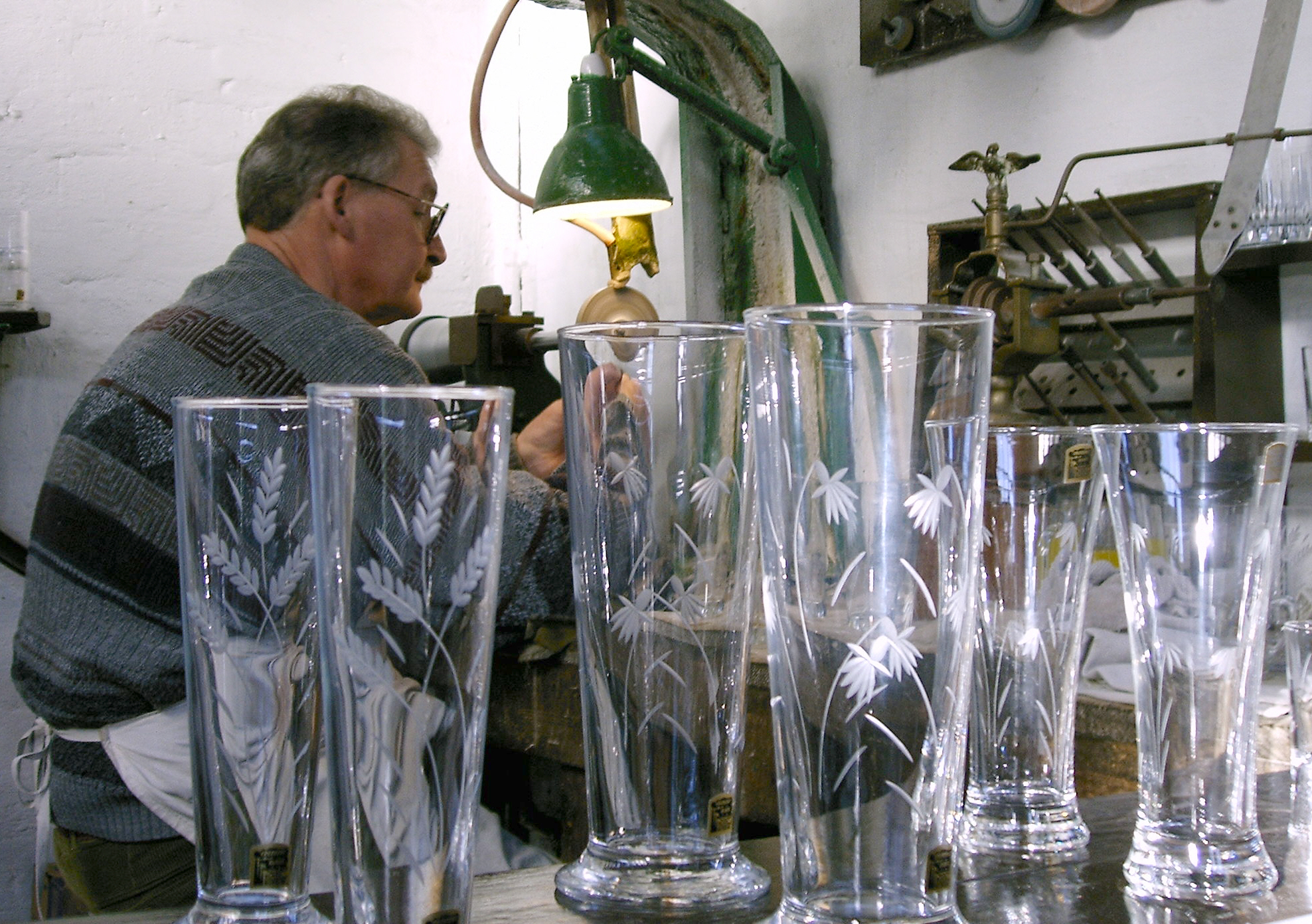
The museum continues to grow, adding new buildings and exhibits as they become available. It gained unexpected fame in 2020 when its recreated 1930s village became a viral sensation on social media, attracting a new generation of visitors who discovered its atmospheric streets through phone screens before visiting in person. The museum's role extends beyond nostalgia. It preserves trades and skills -- chainmaking, glass-cutting, nail-forging -- that would otherwise vanish entirely. The Black Country's industrial heritage is poorly represented in mainstream British history, overshadowed by the mills of Lancashire and the mines of Wales. This museum ensures that the region's contribution -- the chains, the anchors, the nails, the glass, the bricks that built an empire -- is not forgotten. It is a place built from other places, a community assembled from the fragments of communities that industry created and then discarded.
From the Air
Located at 52.52N, 2.09W in Dudley, West Midlands, adjacent to Dudley Canal. The museum site is visible as a cluster of small historic buildings amid open land, with Dudley Castle's ruins on the hill immediately to the east. Nearest airports: EGBO (Wolverhampton Halfpenny Green, 10nm SW), EGBB (Birmingham, 10nm E). Best viewed at 1,500-2,500 ft AGL.