Block Island
Block Island floats 13 miles off the Rhode Island coast, a 10-square-mile teardrop of rolling hills, dramatic bluffs, and Victorian architecture that development somehow forgot. The Nature Conservancy calls it one of the 'last great places' in the Western Hemisphere; 40% of the island is permanently protected. The Victorian hotels that line the harbor look much as they did in the 1890s. There are no chain stores, no fast food, no traffic lights. The beach-rimmed island attracts day-trippers in summer and virtually empties in winter, when the year-round population drops to about 1,000. Getting there requires a ferry or small plane - deliberate inconvenience that filters visitors. Block Island is what the New England coast might have been without cars, without development, without the 20th century.
The Landscape
Block Island is a glacial remnant - a chunk of debris left when the ice sheets retreated 20,000 years ago. The result is rolling terrain with dramatic bluffs on the southern end, where Mohegan Bluffs drop 200 feet to the sea. The island is small - you can bicycle around it in a few hours. Beaches ring the coast: sandy Crescent Beach, rocky Mohegan Beach, secluded Charleston Beach. The interior is ponds, meadows, and patches of scrubby forest. The Southeast Lighthouse, moved back from the eroding bluffs in 1993, overlooks the Atlantic.
The Preservation
Block Island's preservation is deliberate. Since the 1970s, the Block Island Conservancy and other organizations have acquired land, now protecting 43% of the island. The Nature Conservancy recognized Block Island as one of 'Twelve Last Great Places' in the Western Hemisphere. The preserved land includes Rodman's Hollow, a glacial outwash valley; North Light and its wildlife refuge; and miles of trails connecting beaches, meadows, and forests. The community actively limits development - there are no high-rises, few franchises, and strict building codes. The result is an island that feels preserved in amber.
The Architecture
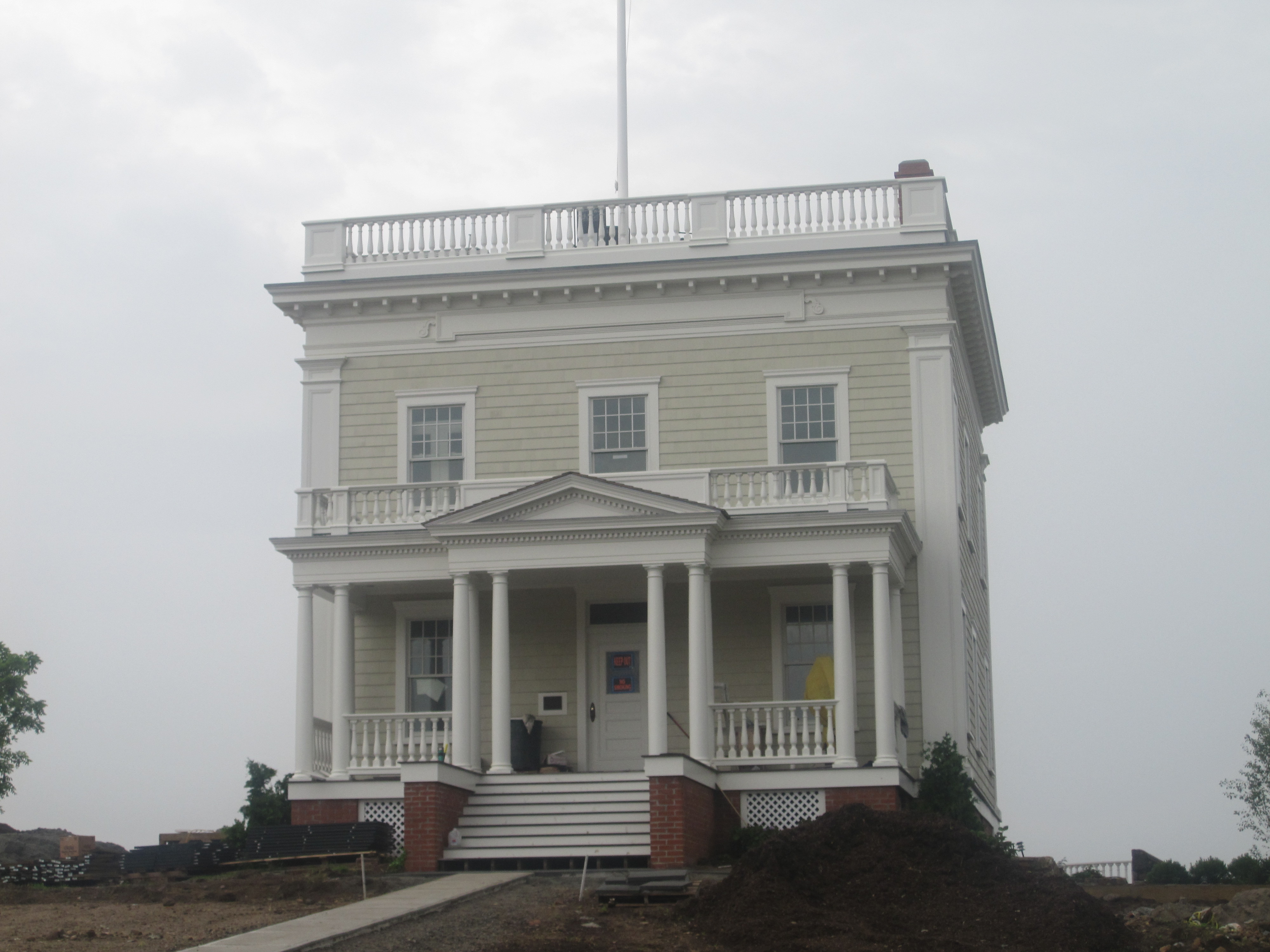
Block Island's Victorian resort architecture survives remarkably intact. The National Hotel, Spring House Hotel, and other structures from the 1870s-1890s still operate, their towers, wraparound porches, and wooden construction evoking a time before automobiles transformed American travel. Old Harbor, where ferries dock, is a National Historic District. The architecture reflects Block Island's brief moment as a fashionable resort - popular enough to build grand hotels, never popular enough to tear them down and replace them with something modern.
The Culture
Block Island's culture is shaped by isolation and seasons. The year-round population is about 1,000; summer brings ten times that many. The economy runs on tourism: hotels, restaurants, bike rentals, kayak tours. In winter, many businesses close and the island retreats into itself. The deliberate absence of chains and development creates a distinctive atmosphere - local businesses, local character, local eccentricity. The island has attracted artists, writers, and people seeking escape. Whether that culture survives increasing popularity and real estate prices is the ongoing question.
Visiting Block Island
Block Island is reached by ferry from Point Judith, Rhode Island (traditional route, 55 minutes), Newport (faster in summer), or New London, Connecticut. Small planes land at Block Island State Airport. The island is best explored by bicycle - rentals available near the ferry dock. Mohegan Bluffs and the Southeast Lighthouse are essential stops. North Light requires a 1.5-mile walk through wildlife refuge. Beaches include Crescent Beach (calm, family-friendly), Mohegan Beach (dramatic setting), and Charleston Beach (secluded). The island is crowded on summer weekends; fall is quieter and beautiful. Day trips are possible; staying overnight captures the island's character better. Providence T.F. Green Airport (PVD) is the nearest commercial airport.
From the Air
Located at 41.17°N, 71.58°W in Block Island Sound, 13 miles off the Rhode Island coast. From altitude, Block Island appears as a green, teardrop-shaped island surrounded by blue water. The dramatic Mohegan Bluffs are visible on the southeast shore. Great Salt Pond cuts into the island's middle. The Victorian town clusters around Old Harbor on the eastern shore. The small airport is visible in the center. The island's preservation is evident in the green landscape - unlike developed barrier islands, Block Island appears largely undeveloped from the air.