The Blue Hole of Castalia: Ohio's Impossible Spring
In northern Ohio, where the land is flat and the surprises few, a perfectly circular pool of water once astonished everyone who saw it. The Blue Hole of Castalia was 70 feet across and impossibly, intensely blue - not the green-blue of most springs but a deep cobalt that seemed lit from within. The water never varied from 48°F, summer or winter. It pumped out 7,000 gallons per minute from a depth no one could measure, feeding streams, trout farms, and a watercress industry. Scientists called it possibly the largest cold spring in the world. Then, in the 1990s, the Blue Hole began to fail. Quarrying nearby had punctured the aquifer. The water dropped, the blue faded, and Ohio's strangest natural wonder quietly died.
The Phenomenon
What made the Blue Hole blue? The answer was purity. The water rose from deep in the Niagaran limestone, filtered through rock for miles, emerging without the sediment or organic matter that turns most water green. The spring's depth was never determined - divers followed the shaft down 45 feet before the opening narrowed beyond passage, the water still rushing upward with force. The constant 48°F made the pool steam in winter and seem impossibly cold in summer. The blue was truest on overcast days, when the sky's reflection didn't compete with the water's own color. Locals and tourists came just to stare at water that looked like something from a fairy tale.
The Industry
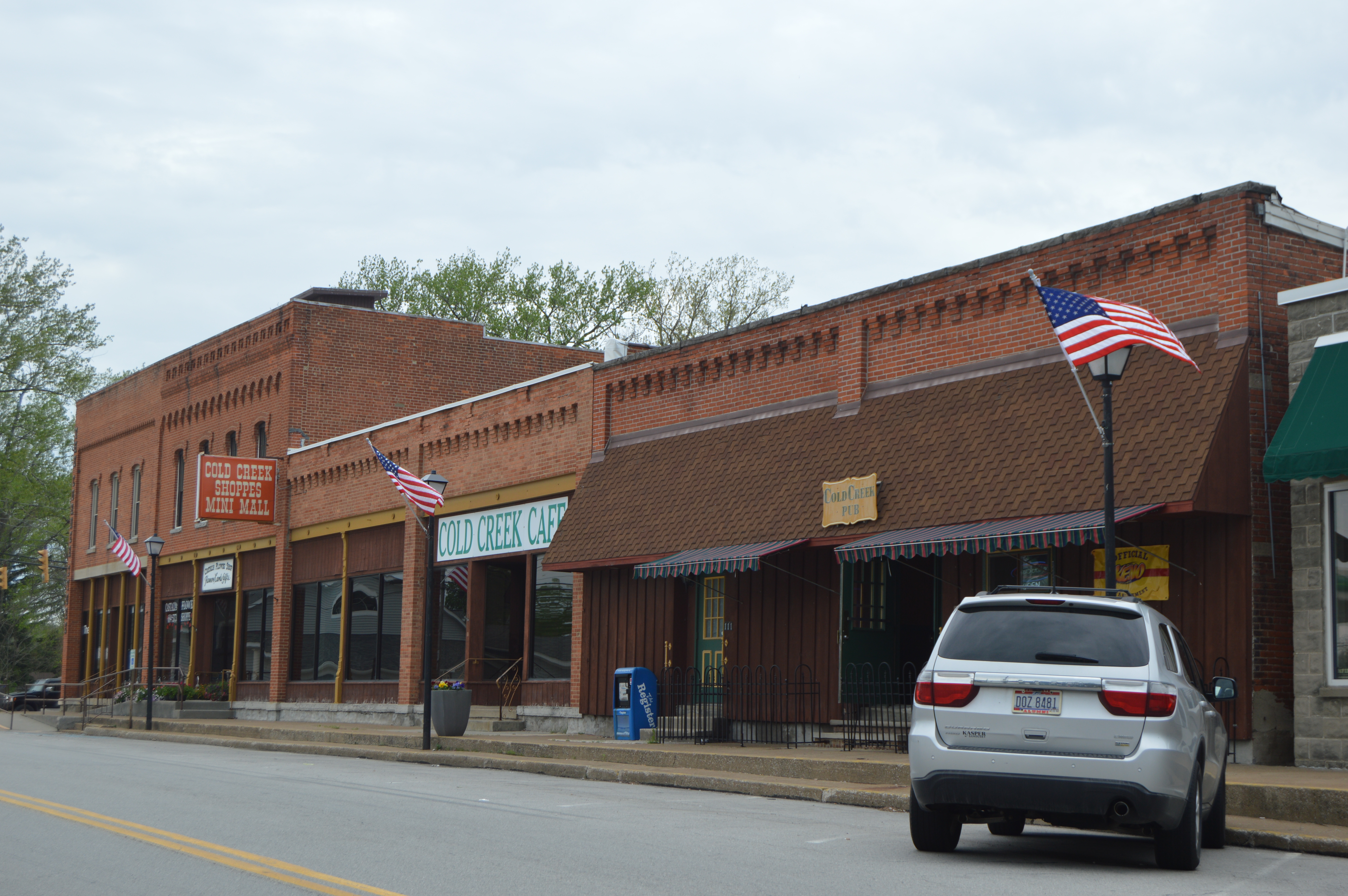
Cold, pure water in endless quantity attracted industry. Trout farms surrounded Castalia, raising fish in spring-fed ponds. Watercress - which thrives in cold, clean water - became a major crop; by the 1920s, Castalia was the 'Watercress Capital of America,' shipping greens to cities nationwide. The Blue Hole itself became a tourist attraction: a small park with viewing platforms, a gift shop selling postcards, and the perpetual astonishment of visitors seeing water that blue emerging from Ohio farmland. The spring was private property, charging admission; the owners maintained gardens and facilities for tourists who came to see the impossible.
The Death
Limestone quarries operated throughout the Castalia area, extracting stone for building and industry. In the 1980s and 1990s, quarrying punctured the aquifer that fed the Blue Hole. Water pressure dropped. The spring's flow diminished from 7,000 gallons per minute to a fraction of that. The deep blue faded to a muddy green. By the early 2000s, the Blue Hole barely flowed at all. The trout farms closed. The watercress industry collapsed. The tourist attraction shuttered. What had seemed eternal - water flowing from the earth since before human memory - proved vulnerable to industrial extraction. The Blue Hole still exists, but its magic is gone.
The Lesson
Groundwater seems infinite until it isn't. The Blue Hole's failure illustrated how interconnected aquifers are - quarries miles away affected springs that had flowed reliably for millennia. Similar stories play out across America: springs failing as aquifers are depleted or punctured, wetlands drying as water tables drop, ecosystems that depended on groundwater simply vanishing. The Blue Hole was famous enough that its death was noticed. Countless lesser springs have died unrecorded. Castalia's brief reign as the Watercress Capital is over, a casualty of choosing short-term extraction over long-term sustainability.
Visiting the Blue Hole
The Blue Hole of Castalia is located in Erie County, Ohio, near the town of Castalia. The spring is on private property; public access has been restricted since the tourist attraction closed. The pool still exists but is a shadow of its former self - diminished flow, faded color, no longer the phenomenon that drew thousands. Nearby Castalia State Fish Hatchery, fed by other springs in the area, offers a glimpse of what the region's cold springs once supported - it's open to visitors and stocks trout across Ohio. The town of Castalia has little to indicate its former fame. Lake Erie is 10 miles north; Cedar Point amusement park is nearby. What's worth visiting is the memory and the warning: even springs can run dry.
From the Air
Located at 41.39°N, 82.82°W in Erie County, Ohio. From altitude, the Castalia area is flat agricultural and quarry land south of Lake Erie. The Blue Hole, if visible at all, is a small circular pond - no longer the intense blue that made it famous. Quarries dot the landscape, their lakes unnatural rectangles cut into the rock. Lake Erie stretches north to the horizon. Cedar Point's roller coasters are visible on the Sandusky peninsula to the east. The terrain is glacially flat, dotted with wetlands that depend on the same groundwater the quarries have compromised. Nothing visible from altitude suggests a natural wonder once existed here - which is the point.