Blue Oak Ranch Reserve
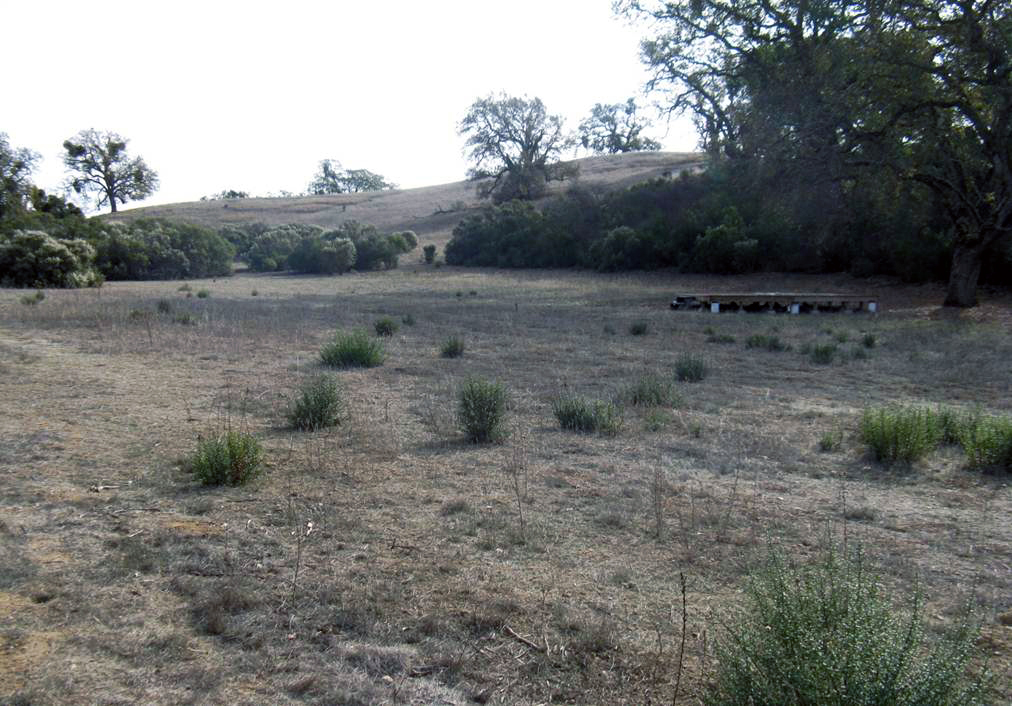
Above the suburban sprawl of east San Jose, where the Diablo Range begins its climb toward Mount Hamilton, 3,260 acres of blue oak woodland and grassland operate as a living laboratory. Blue Oak Ranch Reserve is part of the University of California Natural Reserve System, a network of protected lands dedicated to research and education. The reserve takes its name from the blue oak, a California endemic tree species that defines the woodland landscape of the state's inner Coast Ranges, its gnarled trunks and blue-green foliage creating a parklike canopy over golden grassland.
Research at the Range's Edge
The reserve serves as a field station for UC researchers studying everything from oak regeneration and fire ecology to wildlife corridors and climate change impacts on foothill ecosystems. Its location at the interface between urban development and wild landscape makes it particularly valuable for studying edge effects and the ways that human activity influences natural systems. Researchers from multiple UC campuses use the reserve's facilities, which include housing and laboratory space for extended field work. The proximity to San Jose State University and UC Santa Cruz provides convenient access for students and faculty.
Blue Oak Country
Blue oaks are among California's most drought-adapted trees, capable of surviving the state's long, dry summers by dropping their leaves entirely and entering a dormant state. The woodlands they create are open and savanna-like, with individual trees spaced widely across hillsides of annual grass. The reserve's grasslands support a diverse community of native and non-native species, and the oak woodland provides habitat for deer, wild turkeys, raptors, and a variety of smaller mammals and birds. The landscape is characteristic of the foothill zone that rings the Central Valley and its coastal counterpart, the Santa Clara Valley.
A Buffer Against Sprawl
The reserve's location above San Jose gives it a secondary function as a buffer against the urban development that has consumed most of the Santa Clara Valley floor. Looking down from the reserve's higher elevations, the view encompasses the entire valley, from the salt ponds of the Bay to the Santa Cruz Mountains on the western horizon. The contrast between the reserve's wild landscape and the dense suburban grid below illustrates why protected lands near urban areas matter: they preserve not just ecosystems but the possibility of encounter between city residents and the natural world that preceded their cities.
From the Air
Located at 37.38°N, 121.74°W in the Diablo Range foothills above east San Jose. Reid-Hillview Airport (KRHV) is approximately 8 miles west. The reserve occupies hillside terrain east of the urban edge, visible from altitude as undeveloped oak woodland and grassland contrasting with the developed valley floor below. Mount Hamilton and Lick Observatory are approximately 10 miles to the east.