Bockscar: The B-29 That Dropped the Last Atomic Bomb
An inoperative fuel pump, the wrong crew in the wrong airplane, a primary target obscured by smoke, anti-aircraft fire closing in, and a bomb that could end the war sitting in the bay. On the morning of August 9, 1945, everything that could go wrong with the Nagasaki atomic bombing mission did go wrong - and the B-29 named with a pun on its captain's name still managed to change history. Bockscar sits today in the National Museum of the United States Air Force in Dayton, Ohio, polished silver and impossibly large, parked beside a replica of the Fat Man bomb it carried over Japan. The signage calls it "the aircraft that ended WWII."
A Name Like a Joke
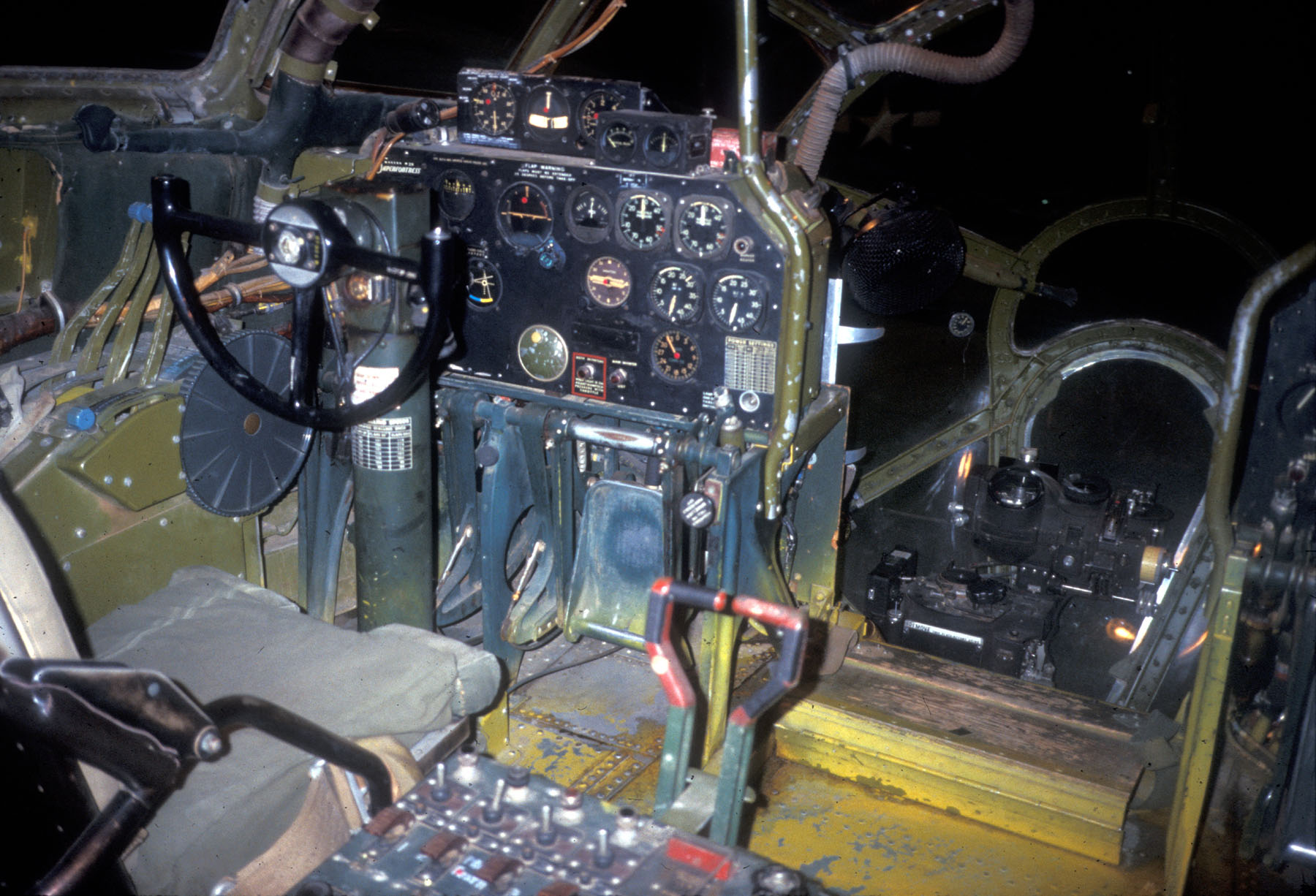
Bockscar was built at the Glenn L. Martin Bomber Plant in Bellevue, Nebraska, and delivered to the Army Air Forces on March 19, 1945. It was one of fifteen Silverplate B-29s - specially modified bombers stripped of gun turrets and armor plating, their twin bomb bays merged into a single cavernous space large enough to carry a nuclear weapon. The aircraft was assigned to Captain Frederick C. Bock and crew C-13, part of the ultra-secret 509th Composite Group based at Wendover Army Air Field in Utah. The name painted on the fuselage after the mission was a playful pun: Bock's Car. Before carrying the most destructive weapon ever used in warfare, the airplane flew thirteen training missions from the Pacific island of Tinian and three combat sorties dropping conventional pumpkin bombs on Japanese industrial targets.
A Mission Gone Sideways
The Nagasaki mission was never supposed to go to Nagasaki. The primary target was Kokura, home to a major arsenal. But from the moment Bockscar's flight engineer discovered a broken fuel transfer pump during pre-flight checks - stranding 600 gallons of unusable fuel in a reserve tank - the mission was in trouble. Moving the live Fat Man to another aircraft was too dangerous and too slow, so Major Charles W. Sweeney, who was piloting Bockscar with a crew that normally flew a different airplane called The Great Artiste, took off from Tinian at 3:49 a.m. The crews had been swapped because The Great Artiste still carried observation instruments from the Hiroshima mission three days earlier. At the rendezvous point over Yakushima Island, the photographic support plane The Big Stink never appeared. Sweeney circled for thirty minutes beyond the fifteen-minute limit Colonel Paul Tibbets had set, burning fuel they could not afford to waste.
Smoke, Clouds, and a Break in the Sky
When Bockscar finally reached Kokura, smoke from a massive firebombing raid on nearby Yahata the previous night - 224 B-29s had struck the city - covered seventy percent of the target area. Three bomb runs over fifty minutes failed to provide the visual conditions required to drop. Japanese anti-aircraft fire was finding the range, and radar countermeasures operator Jacob Beser detected Japanese fighters scrambling. Commander Frederick Ashworth, the mission's weaponeer, and Sweeney made the decision to divert to the secondary target. Twenty minutes later over Nagasaki, dense clouds again obscured the city center. Ashworth authorized a radar drop, but bombardier Captain Kermit Beahan spotted a brief opening in the clouds and dropped Fat Man visually at 10:58 local time. It detonated forty-three seconds later with the force of 21 kilotons of TNT, destroying forty-four percent of the city and killing an estimated 35,000 people.
Five Minutes of Fuel
Bockscar could not reach the emergency landing field at Iwo Jima. Sweeney diverted to Okinawa, where he circled Yontan Airfield for twenty minutes trying to raise the control tower on a malfunctioning radio. With fuel for one landing attempt, Sweeney and co-pilot Charles Donald Albury fired distress flares and brought the heavy bomber in fast. Engine number two died from fuel starvation on final approach. The B-29 hit the runway hard, slewed toward a row of parked B-24 bombers, and the pilots stood on the brakes while executing a swerving ninety-degree turn to avoid running off the end of the runway. A second engine quit as they rolled to a stop. The flight engineer measured what remained in the tanks: less than five minutes of fuel.
The Quiet Gallery
After the war, Bockscar returned to the United States in November 1945. The Air Force transferred it to the National Museum of the United States Air Force at Wright-Patterson Air Force Base in September 1946, and the aircraft was flown to the museum on September 26, 1961, where its original markings were restored. Today it occupies a central position in the Air Power gallery, its silver fuselage gleaming under museum lights, the Fat Man replica resting beside it in olive drab. Visitors stand beneath the wingspan and try to reconcile the clean, almost beautiful engineering of the airplane with the destruction it delivered. The confusion that followed the actual mission - war correspondent William L. Laurence initially reported the wrong airplane name, noting only that the crew joked the Victor number 77 matched football legend Red Grange's jersey - has long since been sorted out. The aircraft that ended the war sits in Ohio, still and permanent, letting visitors draw their own conclusions.
From the Air
Located at 39.78°N, 84.11°W at the National Museum of the United States Air Force, Wright-Patterson Air Force Base, northeast of Dayton, Ohio. From the air, the museum's four massive hangars are visible along the eastern side of the base complex. The nearest general aviation airport is Dayton-Wright Brothers Airport (KMGY) about 15 nm south. Wright-Patterson's own runway (KFFO) is adjacent to the museum. James M. Cox Dayton International Airport (KDAY) lies approximately 12 nm north. Approach from the east or south for the clearest view of the museum complex.