Bonnie and Clyde Ambush Site
On the morning of May 23, 1934, a tan Ford V-8 sedan cruised down a rural road in Bienville Parish, Louisiana. Inside were Clyde Barrow and Bonnie Parker, the most wanted outlaws in America. They had killed at least thirteen people, robbed countless banks and stores, and eluded capture for four years while becoming folk heroes to a Depression-scarred nation. But their luck had run out. Six lawmen, led by former Texas Ranger Frank Hamer, waited in ambush beside the road. When the car slowed near a truck stopped by the roadside, the officers opened fire. They didn't ask for surrender. They simply emptied their weapons - approximately 130 rounds - into the car and its occupants. Bonnie and Clyde died instantly, their bodies riddled with bullets. The car, its windows shattered and body perforated, would become one of the most photographed objects in American history.
The Criminals
Clyde Barrow was a small-time Texas criminal before he met Bonnie Parker in 1930. Together they formed a gang that robbed small-town banks, gas stations, and grocery stores across the Southwest and Midwest. They weren't masterminds - their takes were usually small, and their crimes were often marked by poor planning and desperate violence. But they killed repeatedly, including nine police officers, earning them top billing on the FBI's new 'public enemies' list. They also cultivated their image, posing for photographs with guns and cigars, sending taunting letters to newspapers, and somehow embodying the defiance that Depression-era Americans felt toward the banks and institutions that had failed them.
The Hunt
Texas authorities hired retired Ranger Frank Hamer to track down the outlaws. Hamer was a legendary lawman - he had killed more than 50 men in his career and survived multiple shootings. For 102 days, he studied Clyde's patterns, traced his network of safe houses and sympathizers, and waited for an opportunity. The break came through Henry Methvin, a gang member whose father made a deal with Hamer: amnesty for Henry in exchange for information. The senior Methvin would signal Bonnie and Clyde to stop on a particular road at a particular time. They would drive into an ambush. On May 22, the trap was set. The lawmen waited through the night.
The Ambush
Just after 9:00 AM on May 23, Clyde's Ford approached the ambush site. The senior Methvin's truck was parked at an angle, as if broken down, forcing approaching cars to slow. Clyde, barefoot and eating a sandwich, braked to help. The lawmen opened fire. Later accounts differed about whether they called for surrender - Hamer said they did; other evidence suggests they simply started shooting. The first volley killed both occupants. Then the officers continued firing until their weapons were empty. One hundred thirty rounds struck the car. Bonnie was hit approximately 50 times; Clyde was hit at least 27. The car rolled slowly forward, its engine still running, until it stopped in a ditch.
The Circus
Word spread instantly. By the time the lawmen examined the car, a crowd had gathered. People tried to cut off Bonnie's hair, snip pieces of her bloody dress, even remove fingers as souvenirs. The bodies were taken to Arcadia, Louisiana, where thousands filed past. An embalmer reported that curiosity seekers tried to bribe their way into the morgue. Bonnie and Clyde were buried in separate cemeteries in Dallas - Bonnie's mother wouldn't allow them to be buried together. Bonnie had once written a poem predicting her death: 'Some day they'll go down together / And they'll bury them side by side.' In death, as in life, she was denied her wish.
Visiting the Ambush Site
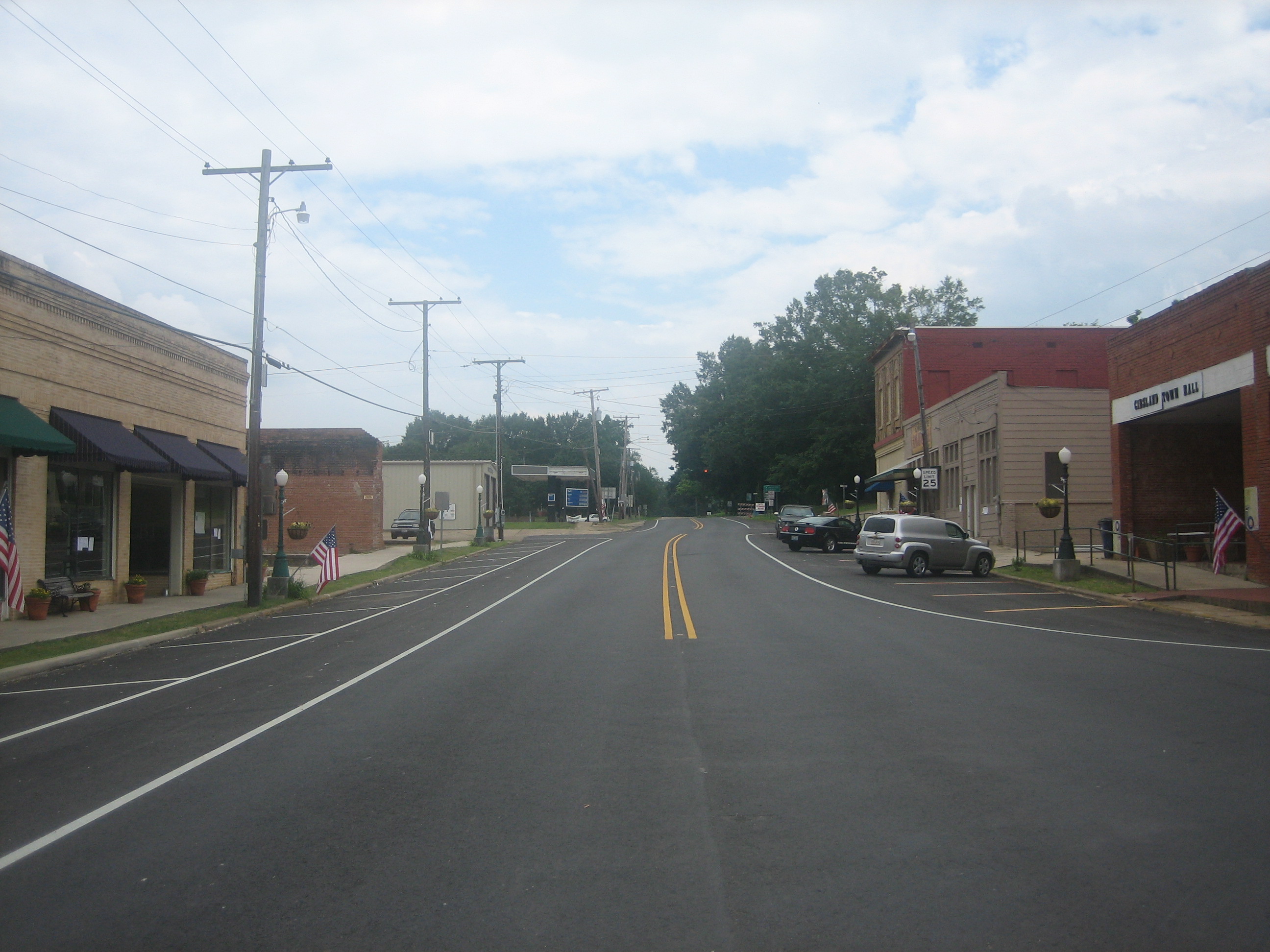
The Bonnie and Clyde ambush site is located on Highway 154 in Bienville Parish, Louisiana, about 7 miles south of Gibsland. A granite marker, placed by the state in 2003, identifies the exact spot where the car stopped. The Bonnie and Clyde Ambush Museum in Gibsland displays artifacts including the original coroner's report and photographs. The site itself is unremarkable - a rural two-lane road through pine forest - but visitors come steadily, leaving flowers and mementos. The 'death car' has had multiple owners and is currently displayed at Whiskey Pete's casino in Primm, Nevada. Shreveport Regional Airport (SHV) is 50 miles northwest. The experience is one of roadside America - a place where violence became legend and legend became tourism.
From the Air
Located at 32.35°N, 93.12°W in Bienville Parish, Louisiana, about 7 miles south of Gibsland on Highway 154. From altitude, the ambush site is indistinguishable from the surrounding pine forest and rural landscape. The road winds through typical north Louisiana terrain - red clay, pine trees, and small farms. Shreveport is visible to the northwest.