Bora Bora
The color hits you first. Not blue, not green, but something in between that shouldn't exist in nature - a luminous turquoise that glows as if lit from below. Then Mount Otemanu rises into view, its shattered volcanic peak draped in jungle green, impossibly dramatic against the Pacific sky. This is Bora Bora, the island the Polynesians called Pora Pora - 'First Born' - and for anyone who has seen it, the name feels apt. It's as if the gods practiced here before creating the rest of the world, getting the colors and proportions exactly right before moving on to lesser landscapes.
The Drowned Volcano
Bora Bora is what happens when a volcano dies beautifully. Three million years ago, the eruptions stopped. The mountain began to sink back into the Pacific, millimeter by millimeter, century by century. A coral reef grew around its shores, keeping pace with the subsidence, and as the main island shrank, the reef remained - a necklace of sandy motus (islets) encircling a lagoon that now glows with that famous impossible color.
Mount Otemanu still dominates the skyline at 727 meters, though you can no longer climb to its shattered summit - the rock is too fragile, the cliffs too sheer. Its smaller neighbor Mount Pahia offers the brave a scramble to the top, through jungle and up rope-assisted sections, rewarding survivors with views that sweep from the reef to the horizon. But most visitors are content to admire from below, watching the peaks catch the light as the sun tracks across the sky.
The Lagoon
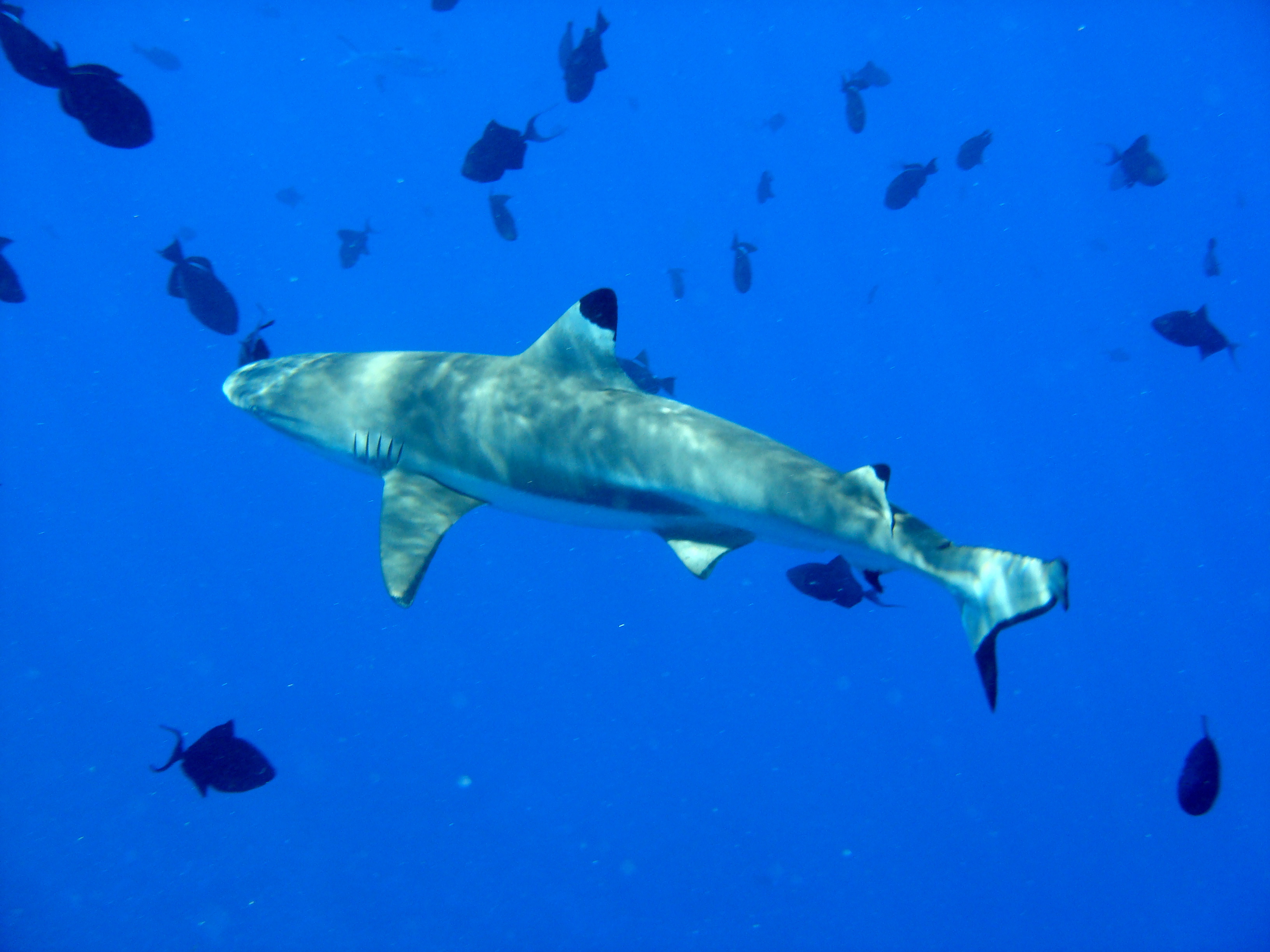
The lagoon is why people come and why they can't stop talking about it afterward. Protected from ocean swells by that ancient barrier reef, the water is bathwater-warm and clear enough to see your feet in three meters of depth. Blacktip reef sharks cruise the shallows, more curious than dangerous. Manta rays glide past like underwater spacecraft. Parrotfish in electric blues and greens crunch on coral, their sound audible if you duck your head below the surface.
Matira Beach curves along the island's southern tip - white sand, coconut palms, water that shifts from pale jade to deep sapphire as the bottom drops away. It's routinely called one of the world's most beautiful beaches, and for once the superlative fits. The sand squeaks underfoot. The sunset turns the lagoon to liquid gold. And at night, the Southern Cross hangs low over the motus.
Overwater Dreams
Bora Bora invented the overwater bungalow. In 1971, Hotel Bora Bora built the first luxury ones, though the concept originated at Bali Hai on Moorea in the late 1960s, creating a new category of tropical accommodation. Now every luxury resort on the island features them - wooden structures perched on stilts above the lagoon, glass panels in the floor for watching fish swim beneath your bedroom, ladders descending directly into the warm water.
They're absurdly expensive. A single night in a high-end bungalow can cost more than a week's vacation elsewhere. But the experience is unlike anything else: waking to the lap of water, stepping onto your private deck to watch the sunrise paint Otemanu pink, snorkeling straight from your room. The resorts cluster on the motus, leaving the main island's 10,600 residents to a quieter life of fishing and farming.
Island Time
The Polynesian concept of 'aita pea pea' - 'don't worry' - governs life here. The pace is deliberately slow. A single road circles the main island, 32 kilometers of coast that can be driven in an hour or biked in half a day with stops for swimming and coconut water. Vaitape, the main settlement, consists of a few shops, some food trucks serving grilled mahi-mahi, and a dock where the airport ferry arrives.
The island's famous black pearls come from the lagoon's oyster farms, cultivated in the same waters that once produced copra for export. You can visit the pearl farms, learn about the years-long process of coaxing a mollusk into creating something valuable, and walk away with a piece of Bora Bora that actually fits in your luggage. The local Tahitian culture runs deep - traditional dances performed at sunset, the Tahitian language mixed with French, outrigger canoes still paddled across the lagoon.
War and Peace
During World War II, the United States built a military supply base here - 5,000 servicemen on an island that had never seen anything like it. They constructed airstrips, gun emplacements, fuel depots. The Japanese never attacked, and the Americans left in 1946, though some loved the island so much they had to be ordered to leave. Their abandoned airstrip became French Polynesia's only international airport until Tahiti opened one in 1962.
Today, the only hints of that era are a few rusting cannons visible on Jeep tours of the island's interior. The base is long reclaimed by jungle. What remains is what was always here: the volcano, the lagoon, the reef, the light. First Born, still living up to its name.
From the Air
Located at 16.5°S, 151.7°W in the Society Islands of French Polynesia. Best viewed from 3,000-8,000 feet to appreciate the classic atoll structure - volcanic peak surrounded by barrier reef and turquoise lagoon. Mount Otemanu (727m) is unmistakable, a jagged green peak rising from the island's center. The airport (NTTB/BOB) is on a motu on the north side of the lagoon - note the small runway (1,500m) surrounded entirely by water. The lagoon's turquoise color is striking from altitude. Look for the necklace of motus around the barrier reef, the white sand of Matira Beach on the southern tip, and overwater bungalows dotting the motus. Nearest major airport: Faa'a/Tahiti (NTAA) 230km southeast, 50-minute flight. Trade winds from the east, generally good visibility, tropical showers possible year-round.