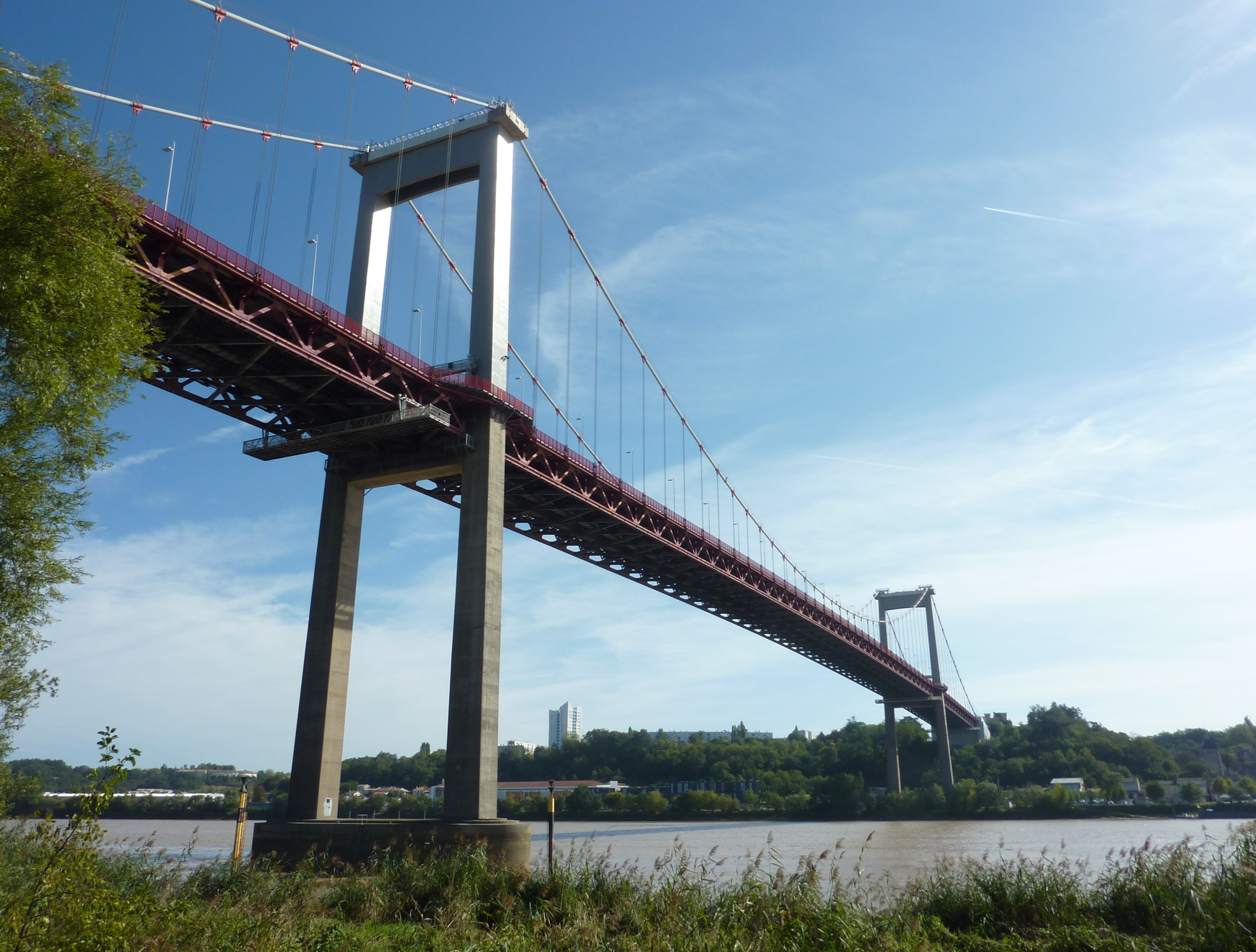
Bordeaux
Bordeaux is wine. The region's 110,000 hectares of vineyards produce 700 million bottles annually; the 1855 classification that ranked its best estates remains the standard against which wine status is measured. The city itself grew wealthy from the trade - the crescent of 18th-century limestone buildings along the Garonne, the facades that UNESCO designated World Heritage in 2007, all built on wine money. The English ruled here for three centuries, from Eleanor of Aquitaine's marriage to Henry II in 1152 until the French reconquest in 1453; they developed the taste for claret that their descendants maintain. Bordeaux today holds 260,000 people in the city proper, 1.2 million in the metropolitan area, a place where the wine industry shapes everything from urban planning to social hierarchy. The city has reinvented itself in recent decades - the tram system, the waterfront development, the tourism beyond wine tourism - but the vineyards that surround it define what Bordeaux means to the world.
The Classification of 1855
Napoleon III ordered a classification of Bordeaux wines for the 1855 Paris Exhibition, and the Bordeaux merchants complied with a hierarchy that has barely changed since. The five tiers of Grand Cru Classe - from First Growth (five estates) to Fifth Growth - established a pecking order that determines prices, reputations, and marriage prospects in wine country. The classification was based on price: the wines that sold for the most were ranked highest, market as meritocracy.
The system has proven remarkably durable. Only one change has been made - Mouton Rothschild's promotion from Second to First Growth in 1973 - despite obvious anomalies and the rise of estates the 1855 judges never considered. The classification created a brand architecture that Bordeaux has exploited ever since: the First Growths fetch thousands per bottle, their reputation as valuable as their terroir. The wine world has never escaped the hierarchy that Bordeaux's merchants invented.
The Golden Triangle
The Triangle d'Or - the Golden Triangle - encompasses the 18th-century heart of Bordeaux, bounded by the Cours de l'Intendance, Cours Georges Clemenceau, and Allees de Tourny. The limestone facades, the symmetrical design, the arcaded streets where luxury brands now occupy what were once wine merchants' offices - this is the city that wine money built, preserved because preservation became profitable.
The waterfront transformation of the 2000s extended this elegance. The Place de la Bourse, with its mirror of water that reflects the classical facades, has become one of France's most photographed locations. The tram that replaced car traffic created pedestrian space that tourists and residents share. Bordeaux marketed itself as urban renewal success story, and the tourism followed. The wine that built the Triangle now fills the restaurants that line it.
The Left Bank and Right Bank
The Gironde estuary and its tributaries divide Bordeaux's wine regions into Left Bank and Right Bank, each with distinct geology, grape varieties, and character. The Left Bank - Medoc, Graves, Sauternes - grows mostly Cabernet Sauvignon on gravel soils, producing wines of structure and longevity. The Right Bank - Saint-Emilion, Pomerol - favors Merlot on clay and limestone, wines that are softer, riper, earlier to mature.
The distinction matters to collectors who pay attention; the Left Bank dominated the 1855 classification, but Right Bank estates like Petrus and Cheval Blanc command prices that equal or exceed any First Growth. The geography that splits the vineyards creates a convenient framework for marketing - Left Bank for austere elegance, Right Bank for generous fruit - even when the reality is more complicated. Bordeaux sells narrative as much as wine.
The Cite du Vin
The Cite du Vin opened in 2016, a museum and experience center dedicated to wine as cultural phenomenon. The building, designed by XTU Architects, resembles a wine swirl or river eddy, its aluminum panels rippling in the light. The permanent exhibition traces wine's history from ancient origins to modern production, treating wine as civilization's companion rather than mere commodity.
The museum represents Bordeaux's attempt to expand beyond wine tourists to cultural tourists, to make the city about something more than vineyards and chateaux. The interactive exhibits, the global focus that includes wines from everywhere, the belvedere with its tasting bar offering views across the city - the Cite du Vin is tourism infrastructure as architectural statement. Whether it changes perceptions or merely confirms them depends on what visitors bring.
The New Bordeaux
Bordeaux has transformed since the 2000s - the tram system that replaced cars, the waterfront development, the UNESCO designation that brought tourists who once bypassed the city for the vineyards. The population has grown, the economy has diversified, the aeronautics industry centered on Airbus now employs thousands. Bordeaux is no longer just wine.
Yet wine remains the brand. The chateaux that ring the city, the negociants who trade futures each spring, the classification system that structures the entire industry - these define Bordeaux in ways that trams and museums cannot change. The city has become more livable, more dynamic, more interesting to visit, but the vineyards that made it wealthy continue to determine its identity. Bordeaux cannot escape wine, nor does it want to.
From the Air
Bordeaux (44.84N, 0.58W) lies on the Garonne River, 50km from the Atlantic coast. Bordeaux-Merignac Airport (LFBD/BOD) is located 12km west of the city center with three runways: 05/23 (3,100m), 11/29 (1,850m), and 05R/23L (2,420m). The Garonne crescent is visible in the city center with the distinctive Place de la Bourse waterfront. The vineyards of the Medoc extend north; Saint-Emilion is 40km east. The Atlantic coast with the Dune of Pilat is visible to the southwest. Weather is oceanic - mild year-round with frequent rain. Atlantic storms can affect operations. Morning fog is common in autumn.