The Mutiny on the Bounty: The Rebels Who Vanished to Paradise
On April 28, 1789, Fletcher Christian led a mutiny against Captain William Bligh aboard HMS Bounty in the South Pacific. Bligh and 18 loyal men were cast adrift in a 23-foot launch with minimal supplies. Against all odds, Bligh navigated 3,618 miles to Timor without charts, losing only one man. The mutineers sailed to Tahiti, then to Pitcairn Island, where they hid for 18 years until discovered by accident. The Mutiny on the Bounty has become legend - a tale of tyranny and rebellion, survival and isolation, that has inspired books, films, and endless debates about who was really to blame.
The Voyage
HMS Bounty had been sent to Tahiti to collect breadfruit plants, which the British hoped to cultivate as cheap food for enslaved people in the Caribbean. The ship spent five months in Tahiti while the breadfruit matured for transport. The men formed relationships with Tahitian women. Paradise was hard to leave.
When the Bounty finally departed in April 1789, morale was low. Captain Bligh, a skilled navigator but difficult commander, clashed repeatedly with his crew. Fletcher Christian, the master's mate and Bligh's former friend, had been publicly humiliated. Three weeks out of Tahiti, Christian snapped.
The Mutiny
At dawn on April 28, Christian and about half the crew seized control of the ship. They dragged Bligh from his cabin at gunpoint. Some loyalists joined the mutineers; others refused. In the chaos, Bligh was forced into the ship's launch - a 23-foot boat barely big enough for the 19 men who chose to go with him.
The mutineers gave them food, water, and navigation instruments, but no charts and no weapons. 'You bloody bastard!' Bligh shouted as the boats separated. Christian's response, if any, was lost to history. The Bounty sailed away. Bligh had 3,600 miles of open ocean between him and the nearest European settlement.
The Journey
Bligh's voyage in the open launch became one of history's greatest feats of navigation. With no charts, he sailed by dead reckoning through hostile waters, rationing food to a few ounces per day. The men survived storms, attacked by natives at one island, and near-starvation.
Forty-seven days after being cast adrift, Bligh reached Timor in the Dutch East Indies. Only one man had died - killed by natives when they stopped for supplies. Bligh had navigated over 3,600 miles with remarkable precision. He would return to England a hero, while his mutineers became fugitives.
The Island
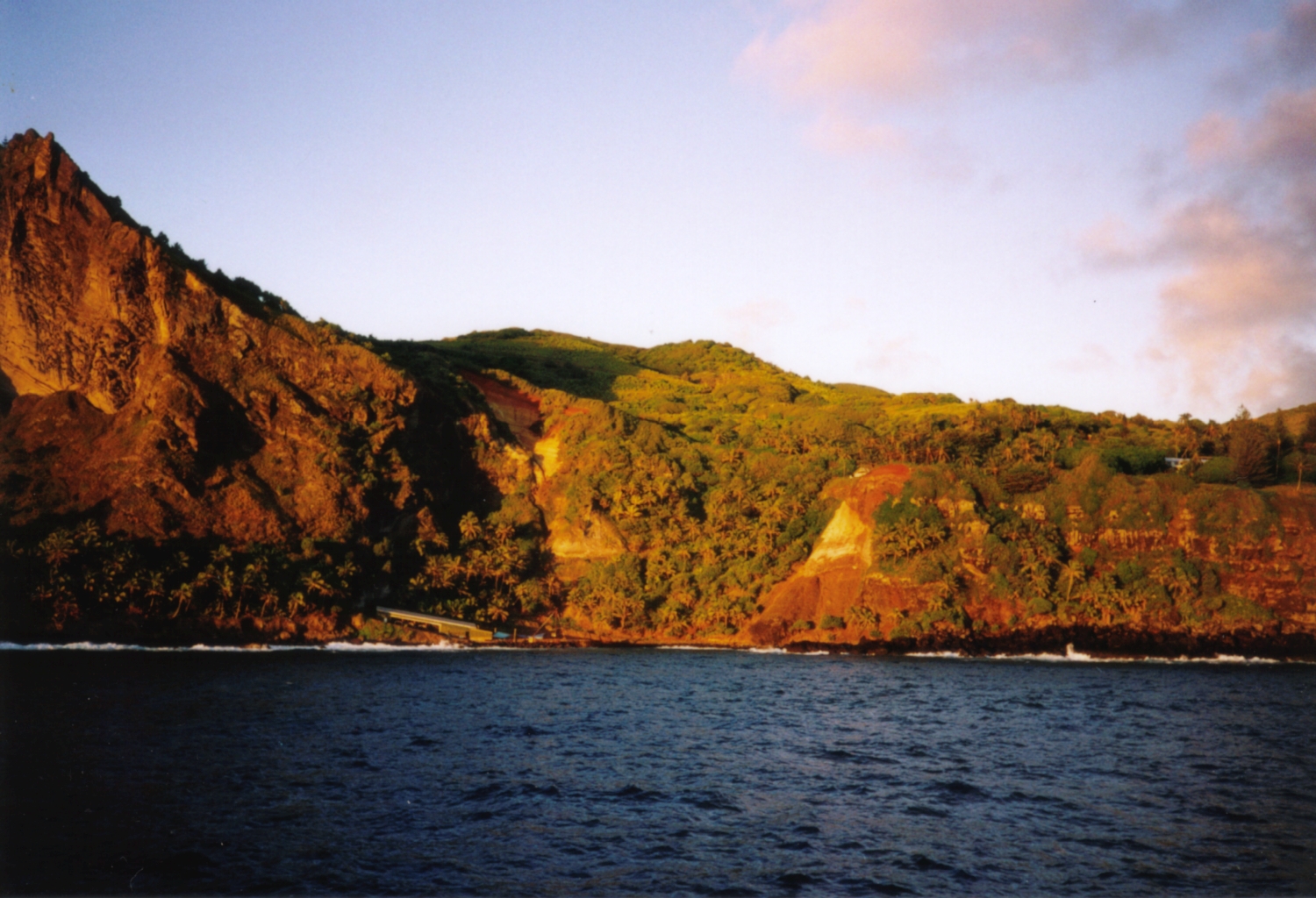
The mutineers knew they would be hunted. Some chose to stay on Tahiti, where they were eventually captured and court-martialed. Christian and eight others, along with 18 Tahitians, sailed to Pitcairn Island - a remote speck in the Pacific that was mischarted on British maps by 200 miles.
Pitcairn became their prison and their paradise. The mutineers burned the Bounty to hide their presence. Violence broke out between the British and Tahitian men. Within years, only one mutineer - John Adams - remained alive. When an American ship discovered the settlement in 1808, Adams was caring for nine women and 23 children. The descendants of the mutineers live on Pitcairn still.
The Legacy
The mutiny made Bligh infamous - depicted in fiction as a tyrant whose cruelty drove his men to revolt. Historians have been kinder, noting that Bligh's discipline was typical for the era and that his treatment of the men, while harsh, was not unusual. Christian's motivations remain debated: personal grievance, romantic attachment to Tahiti, mental breakdown, or legitimate protest.
Pitcairn Island remains inhabited by descendants of the mutineers, though the population has dwindled to around 35-40. The Bounty's anchor sits in the island's main square. The mutiny of 1789 created a community that persists 235 years later - a living monument to rebellion, survival, and the long reach of history.
From the Air
Pitcairn Island (25.07S, 130.10W) lies in the South Pacific, roughly 3,300 miles from New Zealand. There is no airport - access is by sea only, typically from Mangareva in French Polynesia. The island is volcanic and rocky, about 2 miles long. The mutineers' descendants still live in Adamstown, the only settlement. Weather is subtropical maritime.