Brompton Cemetery: London's Magnificent Resting Place
Beatrix Potter used to walk through Brompton Cemetery as a child, reading the names on the headstones. Scholars have traced several of her characters to monuments here: a Mr. Nutkins, a Mr. McGregor, a Jeremiah Fisher, a Tommy Brock. Whether Potter consciously borrowed these names or absorbed them through years of cemetery wandering remains debated, but the connection is fitting. Brompton Cemetery has always been a place where the living encounter the dead in surprisingly intimate ways -- not as a grim necropolis, but as a garden where 205,000 stories lie just below the surface.
The Magnificent Seven
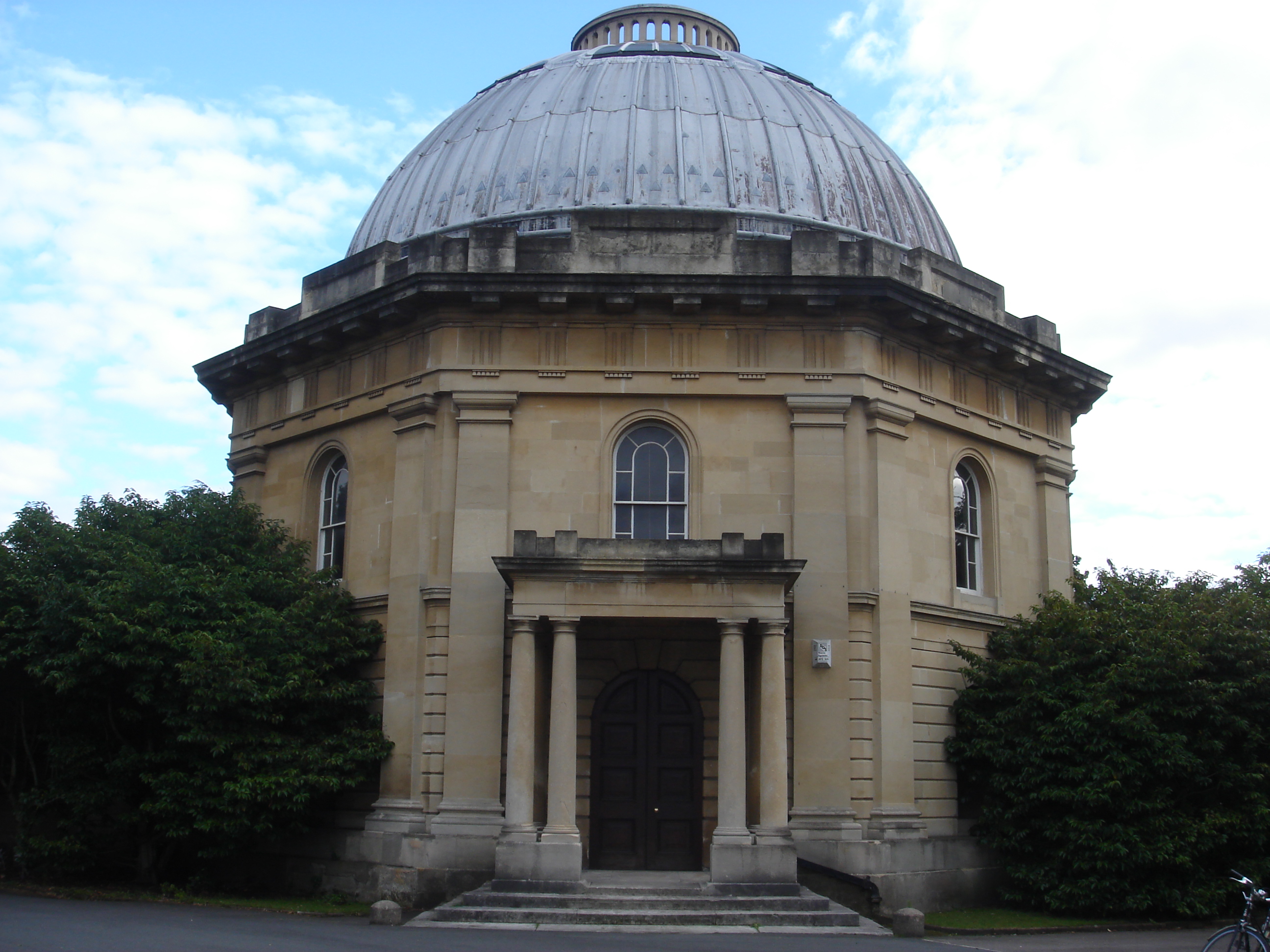
By the 1830s, London's parish churchyards were overwhelmed. Bodies were stacked in shallow graves, and the stench in some neighborhoods was unbearable. Parliament responded by authorizing seven large commercial cemeteries in a ring around the city, soon dubbed the 'Magnificent Seven.' Brompton, originally called the West of London and Westminster Cemetery, was established by Act of Parliament and laid out in 1839. It opened the following year and was consecrated by Charles James Blomfield, Bishop of London, in June 1840. The cemetery was designed in the grand garden style, with sweeping paths, ornamental trees, and a central chapel modeled on St. Peter's Basilica in Rome. It was intended not merely as a burial ground but as a place of contemplation and beauty -- one of Britain's oldest and most distinguished garden cemeteries.
A Cross-Section of Empire
The thirty-nine acres of Brompton Cemetery contain a cross-section of Victorian and modern Britain. Some 35,000 monuments mark the resting places, from simple headstones to substantial mausolea. The cemetery holds the graves of suffragette Emmeline Pankhurst, military heroes from the Crimean War and both World Wars, and figures from the arts and sciences. Samuel Cunard, founder of the Cunard shipping line, is buried here. So is John Snow, the physician who traced the 1854 Broad Street cholera outbreak to a contaminated water pump. The cemetery also contains large family plots with imposing mausolea, and common graves where coffins are stacked deep into the earth -- a stark reminder that even in death, Victorian London maintained its class distinctions.
Crown Property
Brompton Cemetery is unusual among London's burial grounds in that it is now the property of the Crown, managed by the Royal Parks. Originally established by a private company, it was taken over by the General Board of Health in 1852 after the company ran into financial difficulties. Today the cemetery continues to accept burials, though plots are scarce. A small columbarium provides space for cremated remains, and a secluded Garden of Remembrance at the northern end serves those who prefer a quieter resting place. In 2014, the cemetery received a National Lottery grant for essential restoration and the development of a visitor centre. The restoration work was completed in 2018, preserving the cemetery's crumbling Victorian stonework while improving accessibility.
An Urban Sanctuary
Walk through Brompton Cemetery on any afternoon and you will find joggers on the main avenue, readers on the benches, and birdwatchers scanning the mature lime and plane trees. The cemetery has become one of west London's most valued green spaces, recognized as an urban haven for wildlife. Foxes den among the older monuments. Woodpeckers drum in the canopy. The contrast between the cemetery's tranquility and the bustle of the Fulham Road and Earl's Court just beyond its walls makes the place feel like a pocket of countryside smuggled into the city. The long colonnaded arcade leading to the domed chapel creates a perspective worthy of a Renaissance painting. It is a place where London's living and dead share the same patch of ground, and neither seems to mind.
From the Air
Brompton Cemetery (51.49N, 0.19W) is in west London between Earl's Court and Fulham, bounded by Old Brompton Road and Fulham Road. The rectangular green space with its distinctive central chapel and colonnaded avenue is visible from altitude. Adjacent to Chelsea FC's Stamford Bridge stadium. Nearby airports: London Heathrow (EGLL) 10nm west, Battersea Heliport 3nm southeast. Best viewed from 2,000ft.