Bujumbura
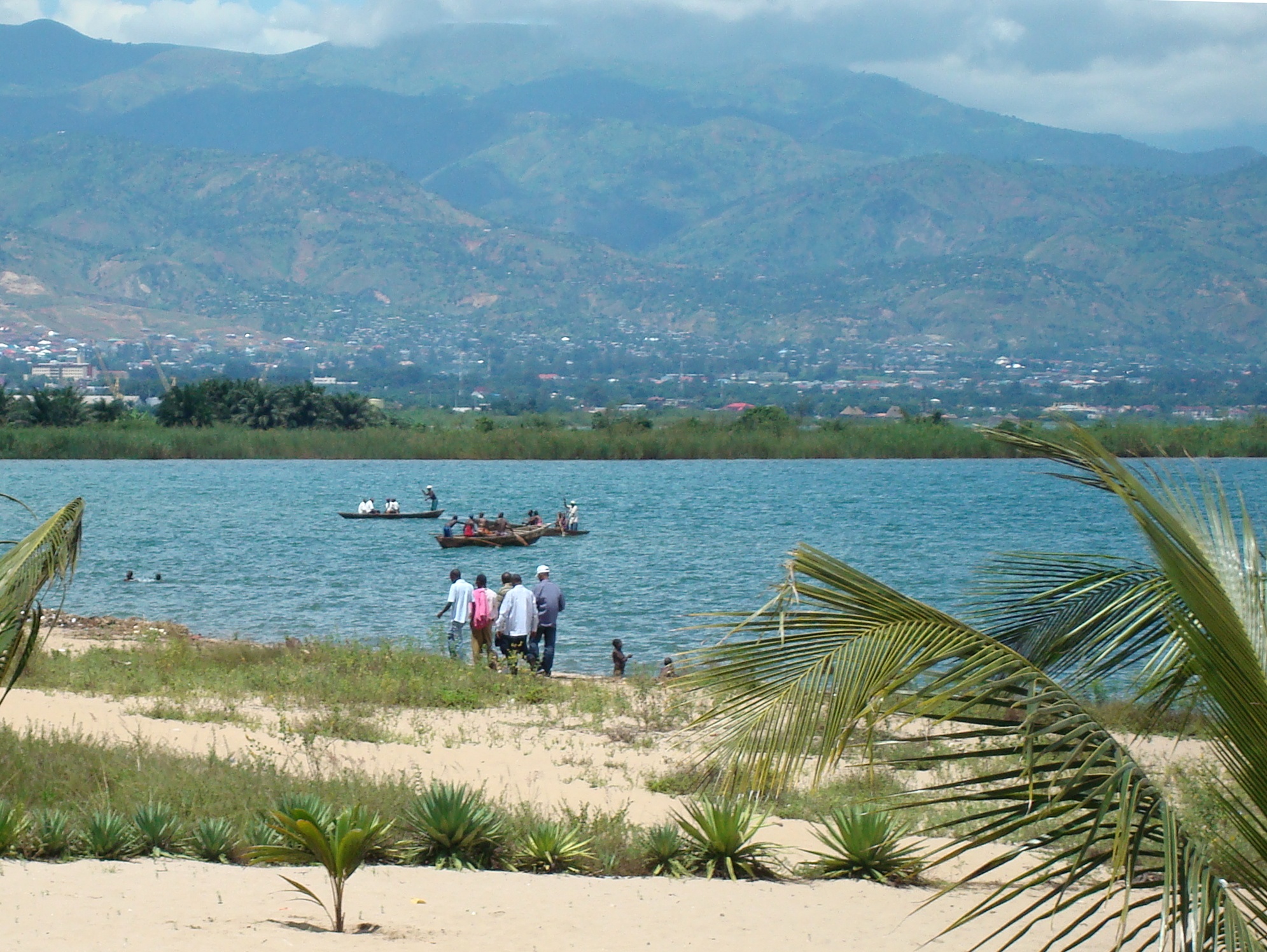
The wind comes off Lake Tanganyika during the day and dies at dusk. This is something everyone in Bujumbura knows, the way people in coastal cities know their tides -- a rhythm so constant it structures the hours. Burundi's largest city sprawls along the northeastern shore of the world's second deepest lake, a body of water so vast and so old that it contains species found nowhere else on Earth. Bujumbura was the national capital until 2019, when the government relocated to the smaller city of Gitega in the country's interior. The move changed the city's official status but not its character. Bujumbura remains the commercial heart of Burundi, the place where East African airlines land, where the central market sets prices, and where the lakefront promenade offers sunset views that make the city's complications temporarily invisible.
A Lakeside City in the Rift
Bujumbura's geography defines everything about it. The city sits at relatively low altitude for the region, which makes it significantly hotter than the rest of Burundi -- a country otherwise known for temperate highlands. The tropical savanna climate brings rain from October through April and dry skies from May to September, with 147 rainy days in an average year. Hills rise sharply to the east, and on clear days the drives up into Bujumbura Rurale offer views that stretch from the city's grid of streets down to the immense blue of Lake Tanganyika and, beyond it, the mountains of the Democratic Republic of the Congo. The lake itself plunges to 1,470 meters at its deepest point, making it second only to Siberia's Lake Baikal. Wind off this enormous body of water acts as the city's natural air conditioning, a daily gift that residents have relied on long before anyone thought to build here.
The Rhythm of the Market
Bujumbura moves at its own pace, and visitors learn this quickly at the table. The city's restaurants prepare everything fresh, and waiting an hour for a meal of beef brochettes, fried plantain, and salad is not a delay -- it is the standard. The Central Market anchors daily commerce, with minibuses departing from its front for the northern neighborhoods and from its rear for the south. Stiff bargaining is expected, and the market sells most of what anyone needs. For imported luxuries, small supermarkets dot the city. The Greek-owned Boucherie Nouvelle on Avenue du Congo draws crowds with its selection of meats, cheeses, and charcuterie, while vendors across the street offer rare vegetables and, in the wet season, wild mushrooms of every variety. Banana beer, locally brewed, is available at roadside stalls, and the Burundian tradition of sharing food with friends and family gives even simple meals a social weight that fast-service cultures have lost.
Drums and the Cultural Pulse
Burundian drumming is one of the country's defining cultural traditions, and Bujumbura is the easiest place to experience it. The drummers -- performing in groups with deep roots in royal and ceremonial life -- can sometimes be seen at wedding receptions around the city. With local help, visitors can arrange to see a drum troupe rehearse, take a lesson, and watch a private performance. The Centre Culturel Francais on Chaussee Prince Louis Rwagasore hosts a monthly program of film, theater, and music, and offers courses in both French and Kiswahili. Saturday afternoons bring football matches to the stadium in Rohero, and the university campus in the hills above the city has a swimming pool with views that sweep from the campus grounds down to the lake. At the War Memorial on Avenue Belvedere, the sunsets justify the climb -- though the nearby restaurants only open at half past six on weekdays, often just after the sun has already gone.
Gateway to the Great Lakes
Bujumbura International Airport connects the city to the wider world through East African hubs -- daily flights to Addis Ababa via Ethiopian Airlines, twice-daily service to Nairobi on Kenya Airways, and connections to Kigali on RwandAir. A weekly Brussels Airlines flight links Bujumbura to Europe. Overland, the Volcano bus company runs regular service to Kigali in neighboring Rwanda, and Luba Express connects to Kigoma in Tanzania, 227 kilometers to the south via the Manyovu border crossing. About 60 kilometers down the lakefront, the resort hotels at Blue Bay and Resha offer grilled fish and a quieter version of the same extraordinary shoreline. The city's position -- wedged between the lake, the mountains, and the borders of three countries -- has always made it a crossroads. Capitals can be moved by decree. Crossroads endure because geography put them there.
From the Air
Located at 3.38S, 29.36E on the northeastern shore of Lake Tanganyika. The city is immediately recognizable from the air by the contrast between the dense urban grid and the vast blue expanse of the lake to the southwest. Hills rise steeply to the east. Best viewed from 3,000-5,000 feet AGL on approach from the east or south. Bujumbura International Airport (HBBA) is the primary airfield, located in the northern part of the city. Kigali International Airport (HRYR) in Rwanda is approximately 100 nm to the northeast.