Burlington: Vermont's Lakefront City Where Bernie Became Mayor
Bernie Sanders won the Burlington mayoral race in 1981 by 10 votes, defeating a five-term incumbent. The young socialist's upset victory - in Vermont's largest city, a lakefront town of 40,000 dominated by the University of Vermont - launched a political career that would eventually reshape American progressive politics. Burlington itself shaped Bernie: a college town that was already liberal, a small-enough canvas that a coalition of students, working-class residents, and progressives could actually win. The city Sanders governed for eight years - expanding affordable housing, supporting the waterfront, encouraging local business - became a laboratory for democratic socialism. Burlington today remains the city Bernie built on foundations laid by others: beautiful, progressive, expensive, proudly different from the rest of America.
Bernie's Burlington
Bernie Sanders arrived in Vermont in 1968, part of the back-to-the-land movement that transformed the state. He ran for office repeatedly and lost - governor in 1972 and 1976, Senate in 1972 and 1974 - before focusing on Burlington. His 1981 mayoral victory was narrow (10 votes) and his first term contentious (the city council opposed nearly everything he proposed). But Burlington responded: Sanders won reelection three times by larger margins. His administration revitalized the waterfront, built affordable housing, supported the Church Street Marketplace. When he left to serve in Congress in 1991, Burlington was visibly different - and the progressive model he'd demonstrated attracted national attention.
Lake Champlain
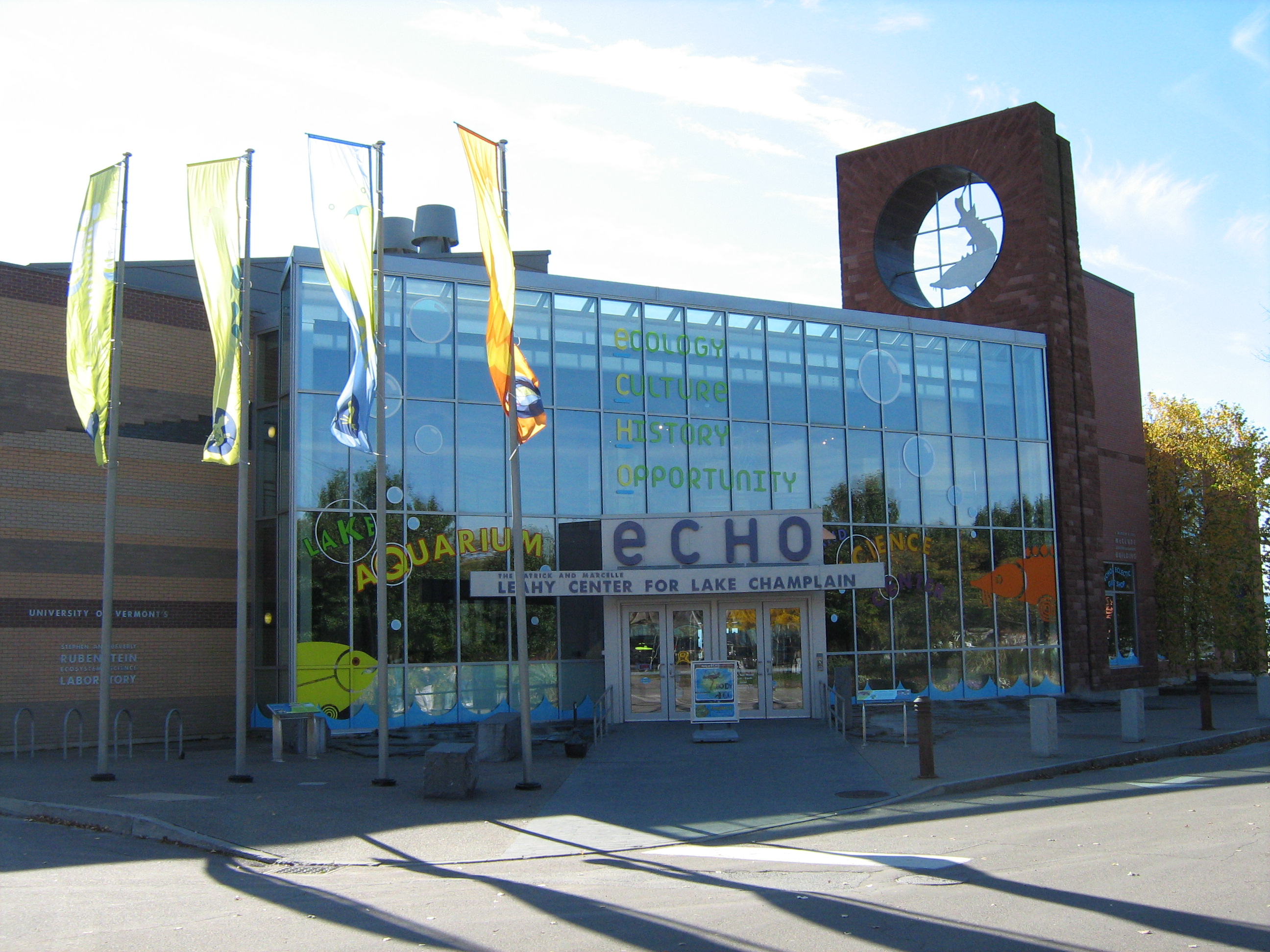
Lake Champlain defines Burlington's eastern boundary, 120 miles of fresh water stretching from Quebec to New York. The lake was once believed to contain a monster - 'Champ,' Vermont's answer to Nessie - first reported by Samuel de Champlain in 1609 (or so the legend claims). The waterfront, once industrial and declining, was transformed into a public park and recreation area starting in the 1980s (Sanders's administration supported the effort). The Burlington Waterfront Path offers cycling and walking along the shore. In summer, the lake fills with sailboats; in winter, it freezes enough for ice fishing, though full crossing is increasingly rare as climate change warms winters. The Adirondacks rise across the water in New York, visible from every waterfront vantage.
Church Street
Church Street Marketplace was one of the first successful pedestrian shopping streets in America when it opened in 1981 - coincidentally, the year Bernie became mayor. The four-block brick promenade, closed to cars, demonstrated that downtowns could compete with suburban malls by offering what malls couldn't: character, walkability, community. The strategy worked. Church Street thrives with restaurants, shops, and street performers, anchoring downtown Burlington while other Vermont towns struggled. The success attracted imitators nationwide. The marketplace's vibe is college-town casual - students mixing with tourists, local businesses alongside national chains, buskers performing despite Vermont winters.
College Town
The University of Vermont, founded 1791, dominates Burlington - 12,000 students in a city of 45,000. The campus occupies a hillside overlooking downtown and the lake, its oldest buildings dating to the mid-1800s. UVM's environmental programs, medical school, and general liberal-arts character align with Vermont's identity. Champlain College and Burlington College (now closed) added to the student population. The college-town atmosphere sustains the restaurants, music venues, and progressive politics that define Burlington. Ben & Jerry's was founded in a renovated gas station here in 1978, later moving to Waterbury but remaining a Vermont symbol. The ice cream and the socialism emerged from the same counterculture moment.
Green Mountain Gateway
Burlington International Airport (BTV) lies three miles east of downtown, a small but convenient airport with connections to major hubs. Amtrak's Vermonter train connects Burlington to New York via the Connecticut River valley (scenic but slow). Church Street and the waterfront are walking distance from downtown hotels. The Green Mountains begin just east of the lake; Stowe, Vermont's premier ski resort, is 40 miles away. From altitude, Burlington appears as development along Lake Champlain's eastern shore - the waterfront visible, Church Street running perpendicular to the water, the university campus on its hill - the lakefront city where Bernie became mayor, where Ben & Jerry's began, and where Vermont's largest city stays defiantly progressive.
From the Air
Located at 44.48°N, 73.21°W on the eastern shore of Lake Champlain, with the Adirondacks visible across the water in New York and the Green Mountains rising to the east. From altitude, Burlington appears as lakefront development - the waterfront park visible, downtown compact, the university on its hill. BTV airport lies east of the city. Lake Champlain stretches north and south. What appears from the air as a college town on a Great Lake is Burlington - where Bernie Sanders began, where Church Street proved pedestrian malls could work, and where Vermont concentrates its progressive character.