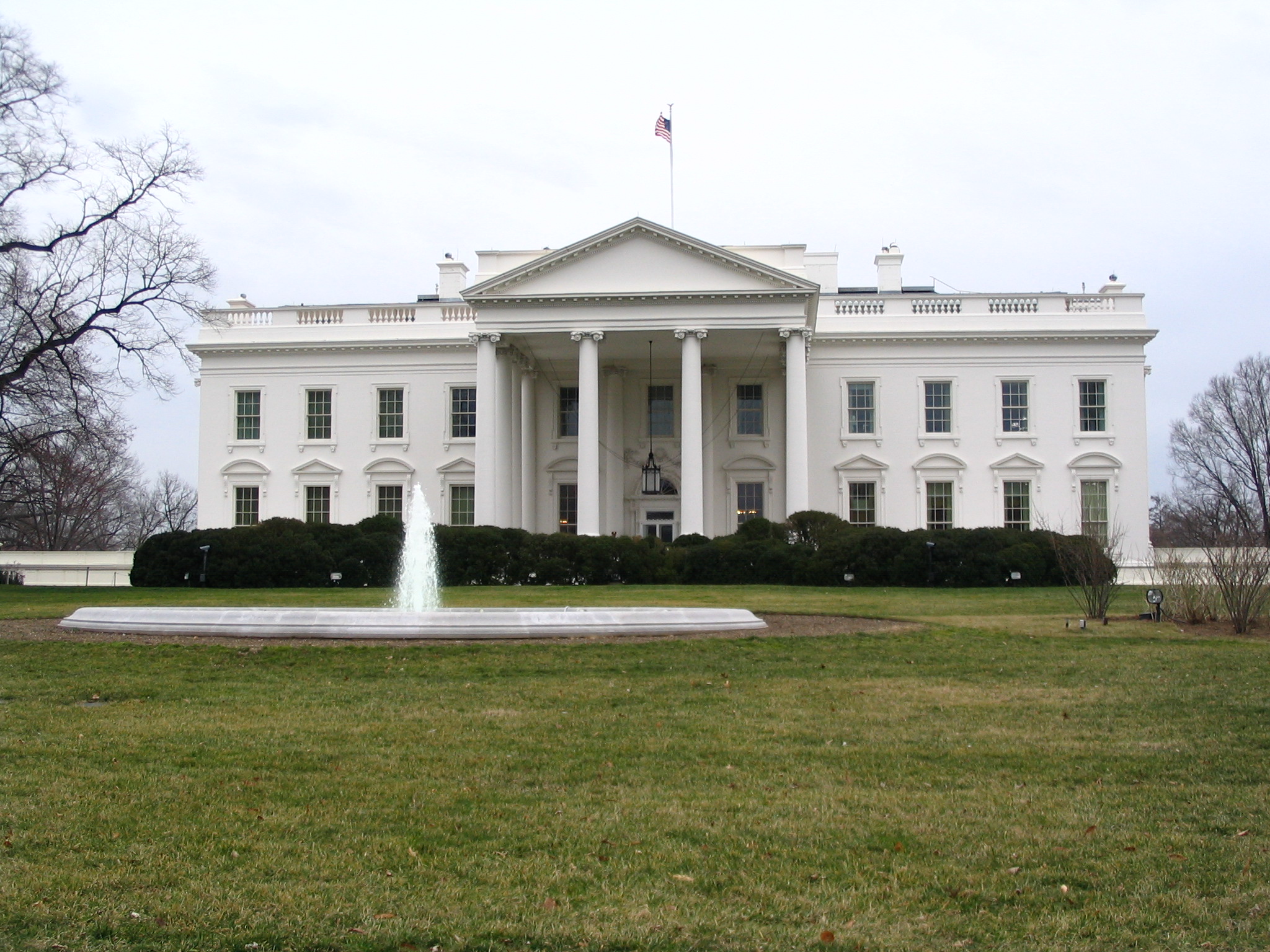
The Burning of Washington: When the British Torched the White House
On the evening of August 24, 1814, British troops marched into Washington, D.C. - the only time in American history that a foreign army has captured the nation's capital. President James Madison and the government had fled. The British found a dinner laid out in the White House, ate it, then set the building on fire. They burned the Capitol, the Treasury, and other government buildings. The next day, a violent storm - possibly a tornado - struck the city, killing several soldiers and helping extinguish the flames. The British withdrew. America had survived its greatest humiliation.
The War
The War of 1812 had been going badly for the United States. The invasion of Canada had failed. The Royal Navy blockaded American ports. American militia had proven unreliable against professional British troops. By 1814, with Napoleon defeated in Europe, Britain could send experienced veterans to America.
A British force under Vice Admiral Sir Alexander Cochrane and Major General Robert Ross landed at Benedict, Maryland in mid-August. Their objective was unclear - possibly just a raid, possibly something more ambitious. Washington, the young nation's capital, lay only 40 miles away.
The Rout
The American forces that gathered to defend Washington were poorly led and poorly coordinated. About 7,000 militia and regulars met the British at Bladensburg, Maryland, on August 24. The battle was a disaster. The militia broke and ran almost immediately. The regulars fought longer but were overwhelmed. In a few hours, the road to Washington was open.
President Madison had ridden out to observe the battle. When the American lines collapsed, he fled with the army. First Lady Dolley Madison stayed at the White House, supervising the removal of government papers and, famously, a portrait of George Washington. She escaped just ahead of the British advance.
The Dinner
The British entered Washington that evening to find the city largely abandoned. They marched to the White House to find a dinner laid for forty guests - the Madisons had expected to celebrate an American victory. The officers sat down and ate the president's meal, toasting 'Jemmy's health' with his wine.
After dinner, Admiral George Cockburn ordered the White House torched. Soldiers piled furniture in the center of rooms and set it ablaze. The flames consumed the interior, leaving only the exterior walls standing. Those walls still form the core of today's White House - painted white to cover the smoke stains from 1814.
The Flames
The burning continued into the night. The Capitol building - then still unfinished - was torched, destroying the Library of Congress and both chambers of Congress. The Treasury was burned. The offices of the State, War, and Navy departments were destroyed. The Patent Office was spared, supposedly because its superintendent convinced the British that burning the models of inventions would be an act against all humanity.
The flames were visible for miles. Residents of Alexandria, Virginia, across the Potomac, watched their capital burn. Americans throughout the country would remember the humiliation for generations.
The Storm
On the afternoon of August 25, a violent storm struck Washington. Rain fell in torrents. Some accounts describe a tornado that tore through the British camp, killing several soldiers and overturning cannon. The storm helped extinguish the fires but also made the roads impassable.
The British withdrew that night, marching back to their ships. They had accomplished their mission - humiliating the Americans and demonstrating British power. But the burning of Washington galvanized American resistance. When the British attacked Baltimore in September, the defenders held. Francis Scott Key, watching the bombardment of Fort McHenry, wrote 'The Star-Spangled Banner.' The war would end in a draw, but the shame of August 1814 was never forgotten.
From the Air
Washington, D.C. (38.90N, 77.04W) lies on the Potomac River between Maryland and Virginia. Reagan National Airport (KDCA) is 5km south; Dulles International (KIAD) is 40km west. The White House, Capitol, and Treasury - all burned in 1814 - are visible from the air in the National Mall area. The city layout is a grid with diagonal avenues. Weather is mid-Atlantic humid subtropical - hot summers, cold winters.