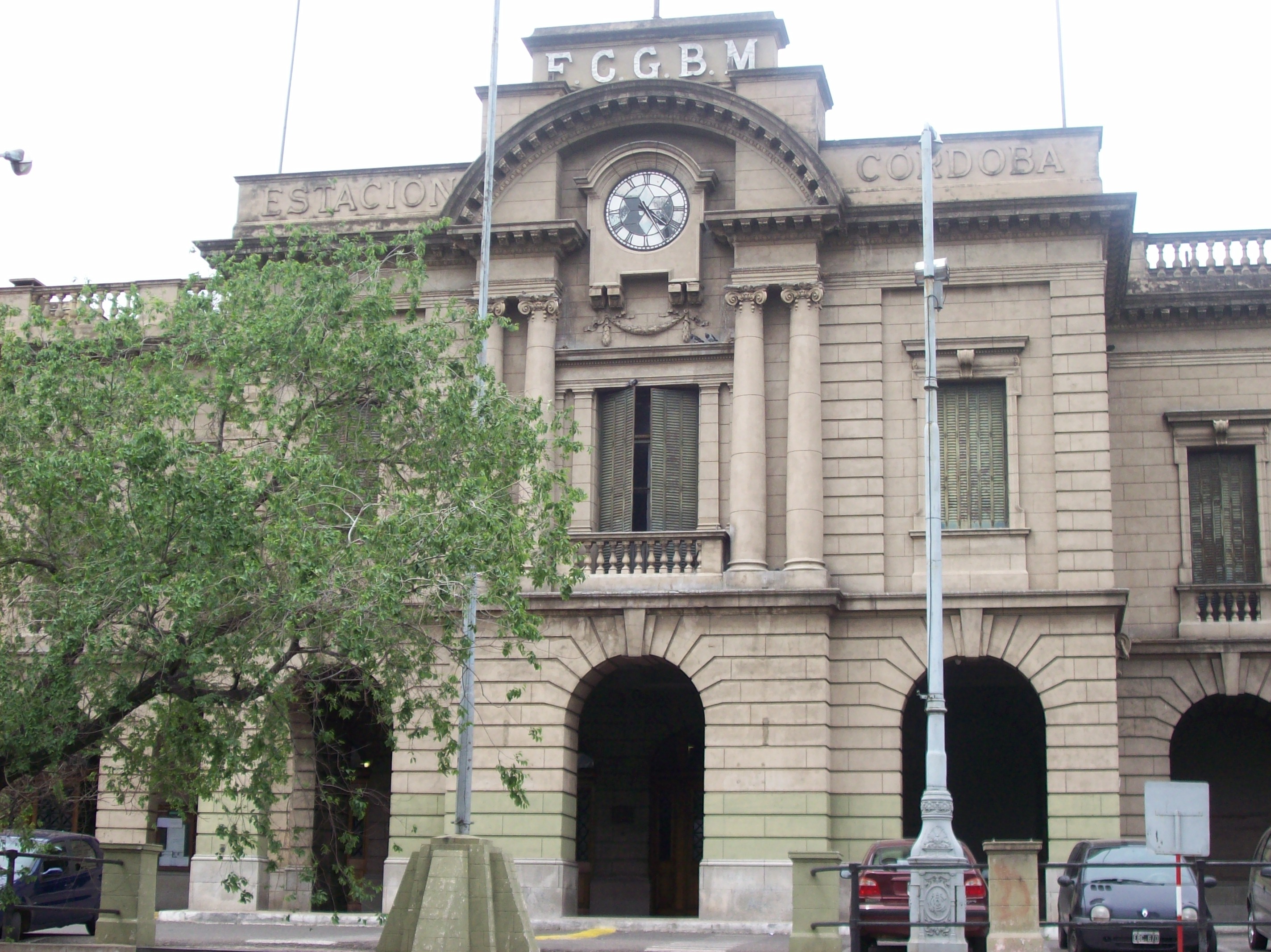
Cordoba (city, Argentina)
The university students spill out of lecture halls into plazas ringed by seventeenth-century Jesuit architecture, their energy transforming what might otherwise be a museum city into something vital and unpredictable. Cordoba is Argentina's second-largest metropolis, home to 2.1 million people, but it feels younger than Buenos Aires, more experimental, less concerned with appearances. The 200,000 students who fill its campuses each year ensure a constant turnover of new ideas, new music, new ways of thinking about this country's complicated past. They study in buildings founded by Jesuits in 1613, making this the oldest university in Argentina and one of the oldest in the Americas. That tension between deep tradition and restless youth has defined Cordoba for centuries, producing revolutions both political and cultural that have reshaped the nation.
The Jesuit Quarter
The Manzana de los Jesuitas forms the historic heart of Cordoba, a UNESCO World Heritage block encompassing buildings raised by the Society of Jesus in the seventeenth and eighteenth centuries. Here the Montserrat School and the original university buildings still stand, their stone walls having witnessed the education of Argentina's elite for four hundred years. The Jesuits chose Cordoba as their base for evangelizing the continent's interior, and the wealth they accumulated shows in the grandeur of their constructions. The Cathedral facing Plaza San Martin and the churches scattered through the historic center complete the picture of colonial power, their baroque facades representing an era when Cordoba was not Argentina's second city but its first, more important than the upstart port town of Buenos Aires to the east.
Revolutionary Ground
Cordoba has a habit of changing Argentina. In 1918, students here launched the Reforma Universitaria, a movement that democratized higher education across Latin America, breaking the church's grip on curriculum and opening university doors to the middle class. In 1969, the Cordobazo uprising united students and workers against military rule, helping end the dictatorship that had governed since 1966. These revolutionary traditions still pulse through the city's political life. The working-class neighborhoods that produced cuarteto music also produced labor movements that repeatedly challenged Buenos Aires's authority. Even the conservative Revolucion Libertadora that toppled Juan Peron in 1955 drew significant support from Cordoba's middle classes. This is a city that refuses to follow.
The Sound of Cuarteto
No visit to Cordoba is complete without encountering cuarteto, the pounding, accordion-driven dance music that originated in the city's working-class neighborhoods and spread across Argentina. The name comes from the original four-piece bands that played at weddings and dance halls in the mid-twentieth century, though modern cuarteto groups are considerably larger. The music combines elements of pasodoble, tarantella, and Dominican merengue into something instantly recognizable and impossible to sit still through. In Cordoba's popular neighborhoods, cuarteto remains the soundtrack of every celebration, a source of local pride that Buenos Aires never quite understood and eventually had to accept as a legitimate national art form.
Gateway to the Sierras
Cordoba sits at the junction of the Pampas flatlands and the Sierras de Cordoba, the hill country that rises to the west in a series of green valleys popular with vacationing Argentines. The suburbs climbing into these hills offer escape from summer heat, their swimming holes and forested trails within easy reach of the city center. Villa Carlos Paz, the region's main resort town, fills with portenios escaping Buenos Aires each January. The smaller villages scattered through the sierra valleys provide quieter alternatives for those seeking hiking, horseback riding, or simply the pleasure of mountain air after the urban intensity of Cordoba's student-packed streets. Public buses connect the city to all major sierra destinations, making it possible to combine urban exploration with natural excursions.
From the Air
Located at 31.42 degrees S, 64.18 degrees W, at approximately 400 meters elevation in central Argentina. The city sprawls across the transition zone between the Pampas to the east and the Sierras de Cordoba to the west, the mountainous terrain clearly visible from altitude. Cordoba International Airport Ingeniero Ambrosio Taravella (SACO) lies northwest of the city center. The historic Jesuit quarter near Plaza San Martin and the sprawling university campus Ciudad Universitaria are identifiable landmarks. The Rio Suquia curves through the urban area. Industrial zones spread to the southeast, while residential suburbs climb into the western hills.