Cabo de Gata-Nijar Natural Park
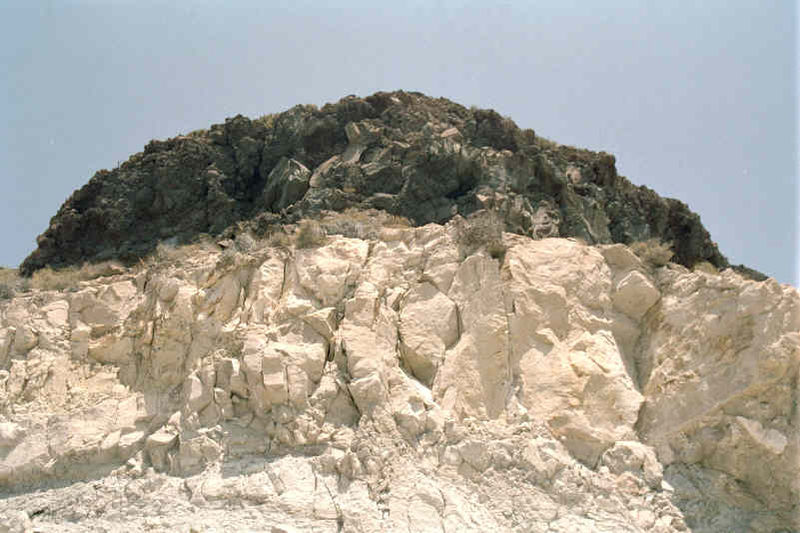
With barely 156 millimeters of rain each year, the Cabo de Gata-Nijar Natural Park exists in a state of permanent thirst. Yet this arid corner of Almeria province, where the Sierra del Cabo de Gata mountains tumble into the Mediterranean, has become Andalusia's largest coastal protected area precisely because its harshness deterred the development that consumed so much of Spain's shoreline. The landscape reads like a catalog of geological drama: volcanic peaks in ochre and rust, 100-meter cliffs riven by hidden coves, salt flat lagoons where flamingos feed, and underwater coral reefs teeming with life in waters so clear that snorkelers can see twenty meters down.
Hollywood's Desert
Long before the natural park designation came in 1987, filmmakers recognized what this landscape offered: a convincing stand-in for deserts across the world. David Lean filmed Lawrence of Arabia here; Steven Spielberg used the terrain for Indiana Jones and the Last Crusade. But it was the spaghetti westerns of the 1960s that truly put Cabo de Gata on the cinematic map. Sergio Leone's The Good, the Bad and the Ugly found its American West in these parched hills, while the tiny village of Los Albaricoques appeared as the fictional town of Agua Caliente in For a Few Dollars More. Today, Hostal Alba in Los Albaricoques serves as a pilgrimage site for film buffs, its walls decorated with memorabilia from an era when this remote corner of Spain channeled the myth of the American frontier.
Where Salt Meets Sea
At Almadraba de Monteleva, the salt works of Las Salinas de Cabo de Gata continue operations that date back centuries. Here, shallow lagoons trap seawater to evaporate in the relentless sun, leaving behind salt that once preserved the fish catches of the Mediterranean trade. Adjacent to the salt pans stand the weathered houses of former workers, some still occupied, their facades blasted by the salt-laden winds. Flamingos gather in the lagoons year-round, their pink plumage a startling contrast to the white salt flats and the blue sky above. The curious Church of San Miguel stands nearby, its doors oriented toward the salt works rather than the neighboring village - as if the two communities of Cabo de Gata and Las Salinas couldn't agree even on which way to pray.
The Siren's Reef
At the cape's southern tip, where the lighthouse guides ships around the volcanic headland, the Arrecife de las Sirenas - Reef of the Sirens - earned its name from the Mediterranean monk seals that once hauled out on these rocks. Sailors mistook their calls for the songs of mythical creatures. The seals are gone now, driven away by human activity, but the waters they inhabited remain among the clearest and most biodiverse in the Mediterranean. The very aridity that defines this landscape protects its seas: with almost no rivers carrying sediment or agricultural runoff, the water maintains an exceptional clarity. Dive centers in San Jose and Las Negras lead expeditions to explore volcanic underwater formations and the marine life that flourishes in this protected environment.
Ghost Towns and Gold Mines
Inland, the natural park reveals other dimensions of its history. Near Rodalquilar, the ruins of abandoned gold mines speak to a brief 20th-century mining boom that processed ore from the volcanic mountains. The miners are gone, but artists have moved in, establishing galleries and studios in the peaceful village. The traditional crafts of the region persist in the Moorish pueblo blanco of Nijar, where artisans produce ceramics, woven esparto grass goods, and the colorful jarapas textiles that have been made here for centuries. Throughout the park, scattered settlements offer accommodation and seafood restaurants serving the day's catch, each village maintaining its own character: bohemian Las Negras, family-friendly Agua Amarga, and convivial Carboneras with its year-round live music scene.
From the Air
Located at 36.78N, 2.10W in southeastern Spain, Almeria province. Almeria Airport (LEAM/LEI) lies 30 km from San Jose in the park's heart. The volcanic Sierra del Cabo de Gata reaches 493 m at El Fraile. From altitude, the park's distinctive features include the salt flats near Cabo de Gata village, the jagged volcanic coastline, and the stark contrast between the arid interior and the deep blue Mediterranean. The A-7 motorway passes north of the park connecting Almeria to Murcia.