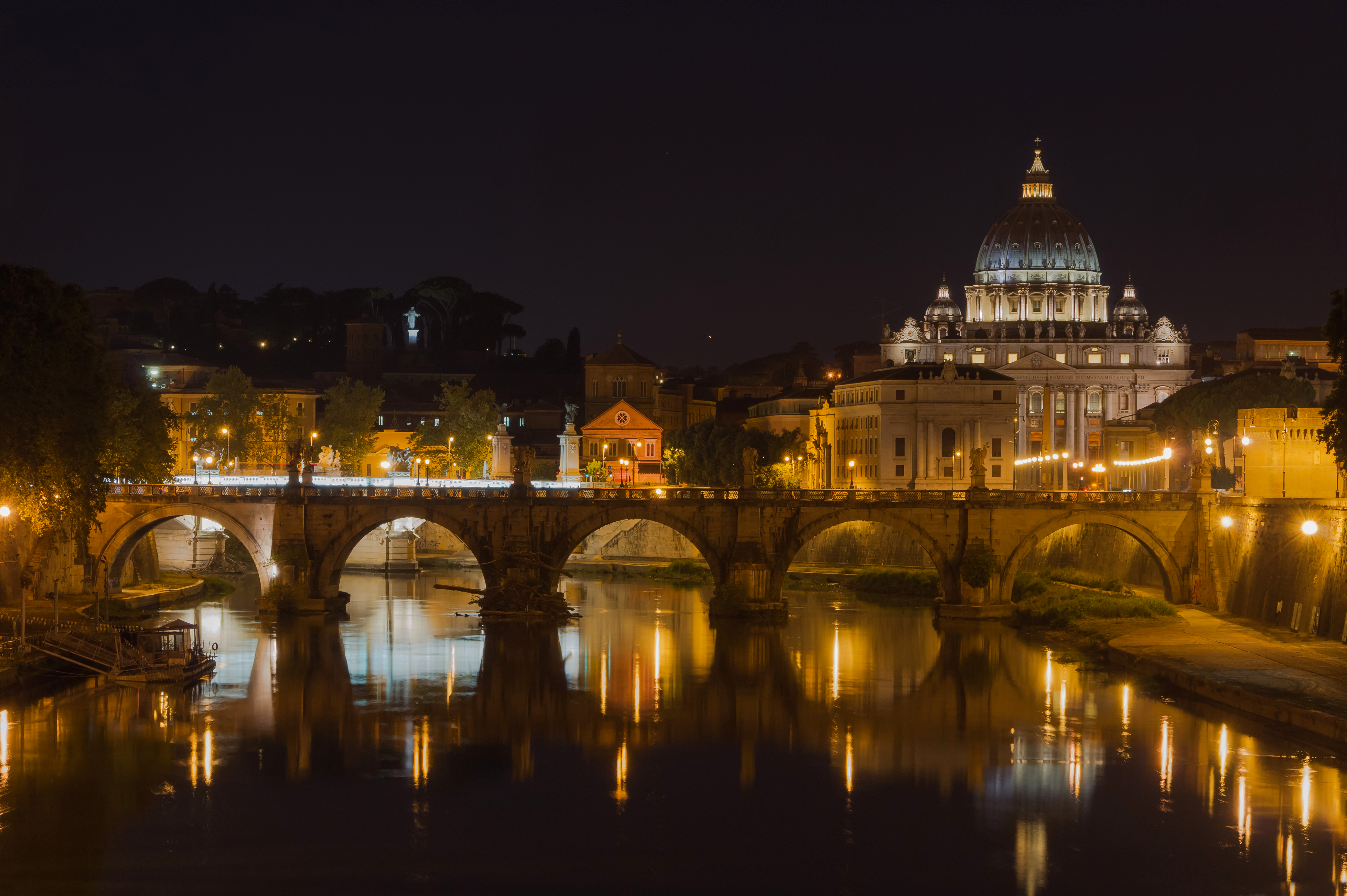
The Cadaver Synod: The Trial of a Dead Pope
In January 897, Pope Stephen VI convened one of the most bizarre judicial proceedings in history. The defendant was Pope Formosus - who had been dead for about nine months. Stephen had the corpse exhumed, dressed in papal robes, and propped up on a throne in the Lateran Basilica. A deacon was appointed to speak for the silent defendant. Stephen himself served as prosecutor, screaming accusations at the rotting body. The 'trial' ended with Formosus found guilty. His papal acts were annulled. The three fingers he had used for blessings were cut off. And the body was thrown into the Tiber River. This was the Cadaver Synod - a moment when papal politics descended into literal necromancy.
The Politics
The Cadaver Synod was rooted in the vicious factional politics of 9th-century Rome. Pope Formosus (891-896) had crowned Arnulf of Carinthia as Holy Roman Emperor, offending the powerful house of Spoleto. When Formosus died, the Spoleto faction seized control of the papacy and installed their own candidate, Stephen VI.
Stephen's legitimacy depended on delegitimizing Formosus. But Formosus wasn't just dead - he had been pope. His acts included consecrating bishops, ordaining priests, and crowning an emperor. Undoing those acts required unprecedented measures. Stephen decided that if Formosus had been an illegitimate pope, his actions were void. And to prove Formosus was illegitimate, he would put him on trial.
The Trial
The body of Formosus was exhumed from its tomb in St. Peter's Basilica. Nine months in the grave had not been kind - the corpse was badly decomposed. It was dressed in papal vestments and propped up on a throne. A trembling deacon was appointed to answer on the dead pope's behalf.
Stephen VI conducted the prosecution himself, reportedly screaming at the corpse and demanding answers to his accusations. The charges included perjury, coveting the papal throne, and violating church canons by transferring from one bishopric to another. The defense - such as it was - was helpless. The verdict was predetermined.
The Verdict
Formosus was found guilty on all charges. His papacy was declared null and void. All his acts and ordinations were annulled - meaning that the bishops and priests he had consecrated were suddenly no longer valid clergy. This caused chaos throughout the church.
The body received its punishment. The three fingers of the right hand - the fingers used to give papal blessings - were cut off. The papal vestments were stripped away. The corpse was initially reburied in a common grave, but that wasn't enough for Stephen. He had it dug up again and thrown into the Tiber River.
The Aftermath
The Cadaver Synod horrified even the brutal politicians of 9th-century Rome. A legend says the body washed ashore and began performing miracles. Whether or not this was true, the public turned against Stephen VI. Within months, a rebellion seized Stephen, imprisoned him, stripped him of his papal vestments, and strangled him in his cell.
Formosus was rehabilitated by subsequent popes. His body was recovered from the Tiber and reburied with honors in St. Peter's. The Cadaver Synod was declared invalid. The bishops Formosus had ordained were re-ordained or declared valid. But the damage to papal prestige lingered for decades.
The Legacy
The Cadaver Synod marked the nadir of the medieval papacy - a period sometimes called the 'pornocracy' or 'Rule of the Harlots,' when the papal throne was controlled by powerful Roman families and occupied by men chosen for politics rather than piety.
The synod also raised theological questions that the church struggled to answer. If a pope could be posthumously deposed, were any papal acts ever secure? The episode demonstrated the danger of mixing divine authority with human politics. Today, the Cadaver Synod stands as history's most grotesque example of victor's justice - a trial where the defendant was literally incapable of defending himself.
From the Air
The Cadaver Synod took place in the old Lateran Basilica (41.89N, 12.51E), near the modern Archbasilica of St. John Lateran in Rome. Rome Fiumicino Airport (LIRF) is 30km southwest. The Lateran complex is visible from the air east of the Colosseum. Formosus was buried in St. Peter's Basilica, across the city. Rome's historic center is compact and dense.