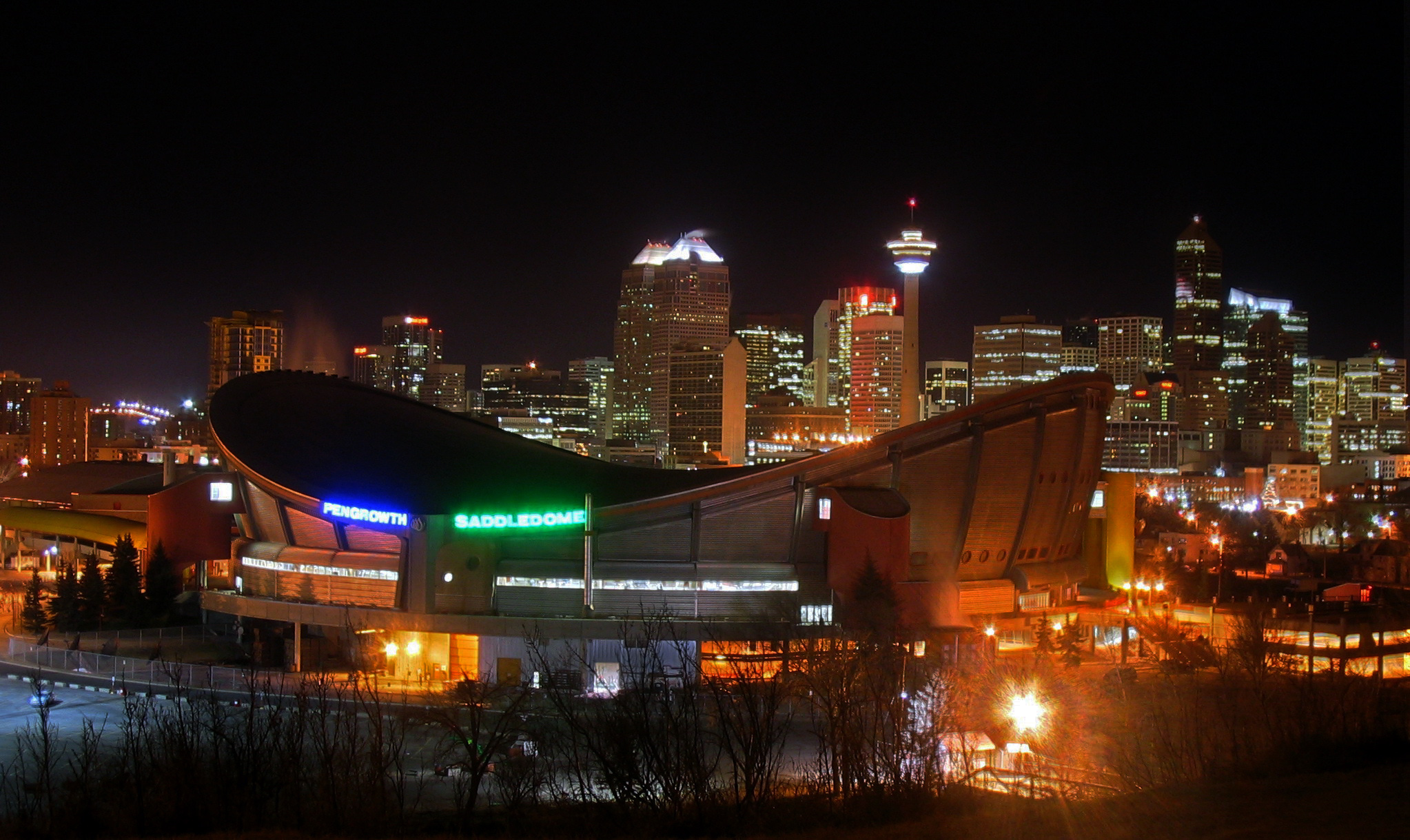
Calgary Stampede: The Greatest Outdoor Show on Earth
In 1912, Guy Weadick convinced four wealthy ranchers to fund a rodeo celebrating the vanishing cowboy culture of the Canadian West. The frontier was closing; railways and farms were replacing open range. Weadick wanted to capture what was being lost before it disappeared entirely. The first Calgary Stampede drew 14,000 spectators, including cowboys and Indigenous peoples demonstrating the skills and cultures that mechanization was erasing. A century later, the Stampede draws over a million visitors annually, transforming Calgary for ten days every July. The city puts on cowboy hats and pretends to be the frontier town it stopped being generations ago. The nostalgia has become the reality.
The Origins
Guy Weadick was a trick roper from New York who'd performed with Wild West shows and seen the commercial potential of frontier nostalgia. He convinced the 'Big Four' - ranchers Pat Burns, George Lane, A.E. Cross, and Archie McLean - to stake $100,000 for a rodeo. The 1912 Stampede featured bronco riding, steer roping, and the new sport of bulldogging. Indigenous peoples from surrounding reserves participated in ceremonial events. The rodeo was a success, but World War I intervened. The Stampede returned permanently in 1923, merged with the Calgary Exhibition.
The Rodeo
The Stampede rodeo features the standard events: saddle bronc, bareback bronc, bull riding, tie-down roping, steer wrestling, and barrel racing. The prize money rivals American circuits. The chuck wagon races - 'The Half Mile of Hell' - are uniquely Stampede. Four wagons, each with a driver and outriders, race around a figure-eight track at dangerous speeds. Injuries are common; fatalities have occurred. The races embody the Stampede's philosophy: genuine danger, nostalgic origins, entertainment value. The cowboys and cowgirls who compete are professional athletes; the chuck wagon drivers risk their lives for history's sake.
The City
During Stampede, Calgary transforms. Office workers wear cowboy boots. Banks serve pancake breakfasts. Corporate towers fly western flags. The 'Yahoo!' greeting becomes mandatory. The transformation is partly sincere - many Calgarians have rural roots - and partly performance, a city of 1.4 million pretending to be a frontier outpost. The Stampede grounds host midway rides, concerts, and agricultural exhibitions alongside the rodeo. The economic impact exceeds $500 million. For ten days, Calgary drops its oil-company professionalism and plays cowboy, embracing an identity that's more marketed than lived.
The Controversy
Animal welfare concerns have shadowed the Stampede for decades. The chuck wagon races have killed horses. Rodeo events cause stress injuries. Activists protest annually; defenders cite improved veterinary care and regulatory oversight. Indigenous participation has also evolved - what began as genuine cultural demonstration has become contested, with some seeing continued involvement as cultural preservation and others as exploitation. The Stampede navigates these tensions imperfectly, defending tradition while acknowledging change, promoting heritage that includes colonial violence.
Visiting the Calgary Stampede
The Calgary Stampede runs for ten days in early July, beginning the first Friday after July 1. Events center on Stampede Park in southeast Calgary, accessible by transit and shuttle. Admission tickets are separate from rodeo and grandstand events; book in advance for popular performances. Free pancake breakfasts occur throughout the city during Stampede. The midway, agricultural exhibits, and shopping are included with general admission. Calgary has extensive lodging, though hotels fill early and prices spike during Stampede. The rodeo is genuinely exciting; the atmosphere is genuinely festive. Whether the cowboy mythology is endearing or problematic depends on your perspective.
From the Air
Located at 51.04°N, 114.05°W in southern Alberta, Calgary appears from altitude as a modern skyline on the prairie's edge - glass towers against the backdrop of the Rocky Mountains to the west. Stampede Park is visible south of downtown, a complex of arenas and exhibition halls on the Elbow River. The surrounding landscape is typical Alberta prairie - flat, agricultural, punctuated by the city's sprawl. During Stampede, the city visible from altitude is the same city it always is; the transformation is cultural, not physical. The cowboys and the corporate offices coexist, oil money and rodeo tradition unified in a city comfortable with contradiction.