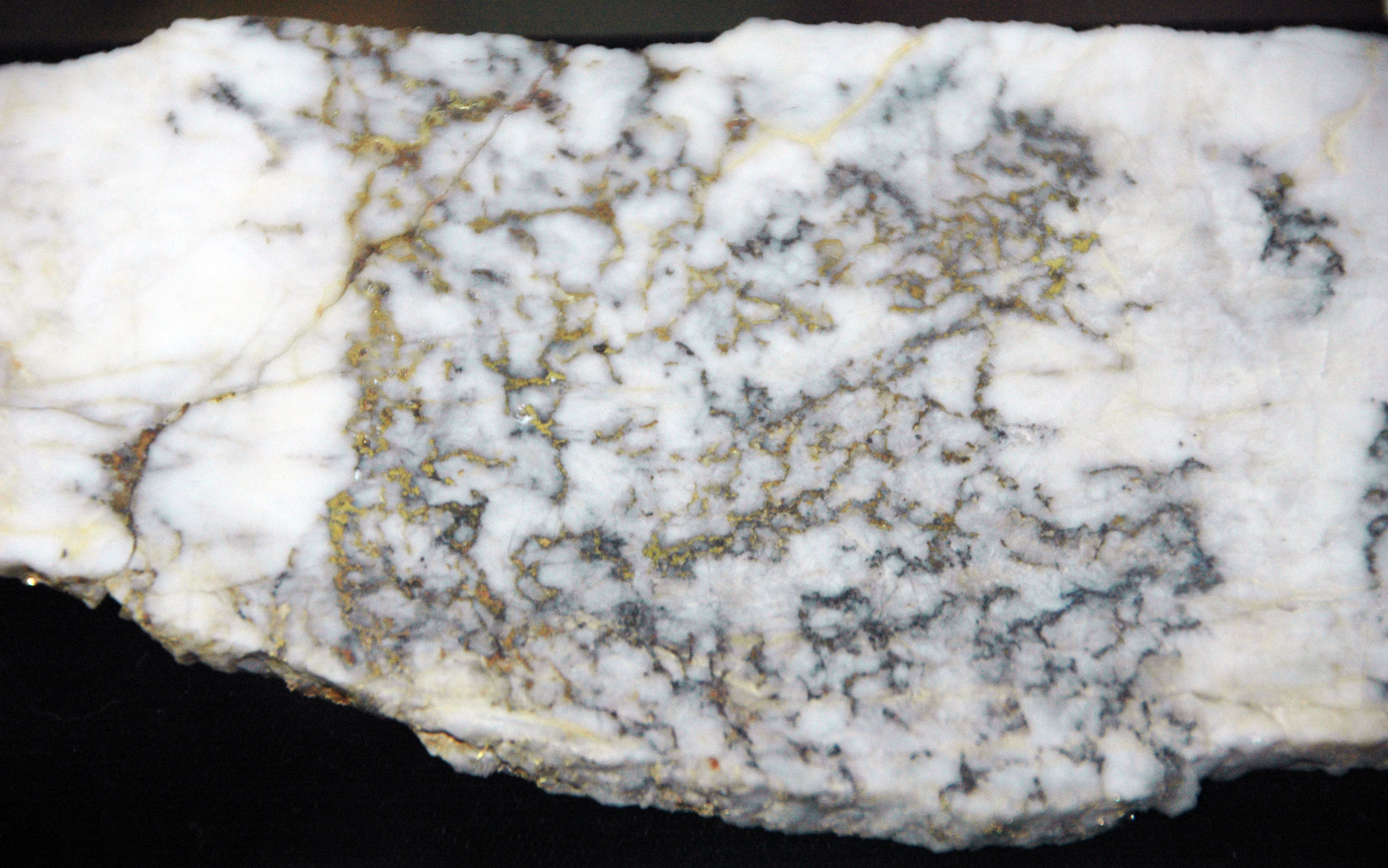
Camp Bird Mine
Thomas F. Walsh was not looking for a gold mine. The Irish-born prospector had come to the San Juan Mountains of Colorado in the 1890s to study the region's geology, examining abandoned claims that other miners had given up on. What he found in 1896 -- a rich vein of gold-bearing quartz between Ouray and Telluride -- would produce 1.5 million troy ounces of gold and 4 million troy ounces of silver over the next century. At 2009 prices, Camp Bird's total production exceeded $1.5 billion. Walsh sold the mine for $5.2 million in 1902. His daughter, Evalyn Walsh McLean, used the family fortune to purchase the Hope Diamond.
The Jays That Named a Fortune
The mine takes its name from the gray jays -- the bold, fearless birds that haunt mountain camps across the West, stealing food from miners' lunches with cheerful impunity. The Camp Birds, as miners called them, were ubiquitous at the site between Ouray and Telluride in the Sneffels-Red Mountain-Telluride mining district. Walsh's discovery in 1896 transformed the remote alpine claim into one of the most productive gold operations in Colorado history. The mine sits high in the San Juan Mountains, surrounded by 13,000-foot peaks, accessible only by a rough mountain road that climbs through Yankee Boy Basin. Walsh operated the mine for just six years before selling, but in that brief period he extracted enough wealth to join the ranks of the Gilded Age elite. He moved his family to Washington, D.C., where his daughter Evalyn became one of the most prominent socialites of the early 20th century.
From Gold Dust to the Hope Diamond
The Camp Bird fortune traveled far from the San Juans. Thomas Walsh died in 1909, but the mine's legacy lived on through his daughter Evalyn Walsh McLean, who devoted several chapters to the operation in her autobiography, "Father Struck It Rich." With the wealth generated by Camp Bird gold, McLean purchased the Hope Diamond in 1911, the 45.52-carat blue stone that had already accumulated centuries of legend and alleged curses. She wore it casually, even letting her dog wear it on occasion. The mine continued producing under various owners long after Walsh's departure. From 1896 to 1990, it yielded its millions of ounces in gold and silver, a nearly century-long run that few mines anywhere can match. Writer David Lavender worked at the Camp Bird in the 1930s and immortalized the experience in his memoir "One Man's West." Country artist C.W. McCall put the mine into song, moving its founding to 1892 to make the rhyme work and adding a ghost for good measure.
A Mountain That Won't Stay Quiet
The Camp Bird Mine's story did not end with its last ounce of ore. The mine filed for a permit to resume operations in late 2007, and received permits to rehabilitate existing workings in 2012. But the site also carries the environmental legacy common to San Juan mining operations. In August 2017, the EPA and the State of Colorado signed an Administrative Order on Consent with Caldera Mineral Resources, which had purchased the property out of bankruptcy. The order specified erosion control measures to prevent contaminated soil from migrating downstream -- a reminder that a century of extracting precious metals leaves scars that outlast the fortunes they produced. Phase 1 of the EPA's cleanup action began in August 2017. The mine remains a landmark visible from the mountain roads above Ouray, its mill buildings and tailings a testament to the ambition and consequence of high-altitude mining in the American West.
From the Air
Located at 37.97N, 107.73W in the San Juan Mountains between Ouray and Telluride, Colorado, within the Sneffels-Red Mountain-Telluride mining district. The mine sits at approximately 11,000 feet elevation, accessible via the Camp Bird Road from Ouray. Mine structures and mill buildings are visible from altitude against the alpine terrain. Yankee Boy Basin lies nearby. Surrounding peaks exceed 13,000 feet. Nearest airports: KTEX (Telluride Regional Airport), 0CO2 (Ouray). Caution: extreme terrain, frequent afternoon thunderstorms in summer, and high density altitude affect aircraft performance. Recommended viewing altitude: 13,500+ feet MSL for safe terrain clearance.