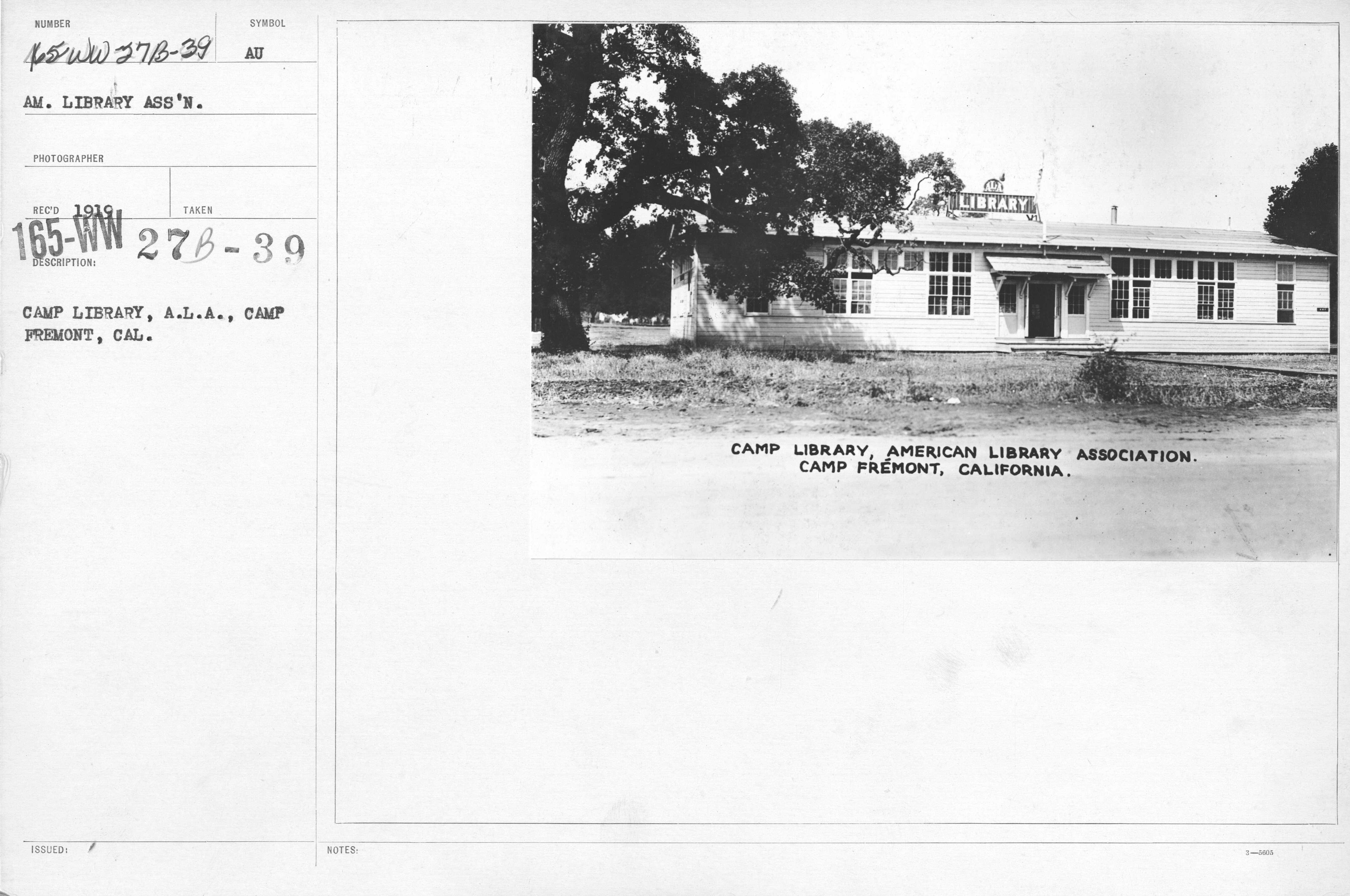
Camp Fremont
For two years during World War I, Menlo Park was a military town. Camp Fremont, constructed beginning in July 1917, sprawled across the flatlands near Palo Alto, training soldiers for deployment to the Western Front. The post closed in September 1919, and within a few years, the barracks, parade grounds, and training facilities had been dismantled so thoroughly that a visitor today would find almost no trace of the thousands of men who once drilled here.
Rapid Construction
Camp Fremont was built with wartime urgency. Construction began in July 1917, just months after the United States entered World War I, and the camp was operational by fall. The site was chosen for its flat terrain, mild climate, and proximity to the Southern Pacific Railroad, which could transport troops to embarkation ports. At its peak, the camp housed thousands of soldiers in wooden barracks arranged along company streets, with mess halls, hospitals, and training facilities.
Training and Departure
The soldiers trained at Camp Fremont were preparing for the brutal conditions of trench warfare in France. The camp's relatively brief existence -- just over two years -- meant that its population was constantly turning over as trained units shipped out and new recruits arrived. The local community adapted to the military presence, with businesses in Menlo Park and Palo Alto serving soldiers on leave. The YWCA built the Hostess House nearby so that soldiers could receive family visitors in a dignified setting.
Vanishing Act
When the war ended, Camp Fremont was decommissioned with the same speed it had been built. The wooden structures were dismantled or sold. The land returned to civilian use. Today, the former camp site is covered by residential neighborhoods and the grounds of what would become Stanford Research Park. The Hostess House, built by the YWCA, is one of the few surviving structures from the camp era.
From the Air
Camp Fremont's former site is at approximately 37.454°N, 122.183°W in the Menlo Park/Palo Alto area, now covered by residential development and Stanford Research Park. No visible traces remain from altitude. Nearest airports: Palo Alto (KPAO) 2 nm northeast.