Camp Shelby
During World War II, Camp Shelby sprawled across 360,000 acres of Mississippi pine forest and leased another 400,000 for maneuvers. Upwards of 750,000 Americans trained here between 1941 and 1946 -- enough to populate a major city, marching through red clay and longleaf pine on their way to Europe and the Pacific. Among them were the men of the 442nd Regimental Combat Team, Japanese-Americans who arrived at a camp in the segregated Deep South and left as members of what would become the most decorated unit in U.S. Army history. Today Camp Shelby has contracted to roughly 134,000 acres along U.S. Highway 49, just south of Hattiesburg, but its mission has never stopped. Operated by the Mississippi National Guard, it remains the largest state-owned training site in the nation, hosting as many as 100,000 personnel every year.
Named for a Kentucky Patriot
Camp Shelby was established in 1917, in the urgent buildup of the First World War. The 38th Division, the first troops to train on the site, named it in honor of Isaac Shelby -- Indian fighter, Revolutionary War hero, and the first Governor of Kentucky. After the war, the camp fell quiet. Mississippi acquired the grounds in 1934 as a summer camp for its National Guard. But the terrain that made it ideal for training -- the rolling Ragland Hills, dense forest, and varied topography of the DeSoto National Forest -- caught the attention of the federal government. In 1940, with another world war looming, Washington reclaimed and expanded the post. Over the next six years, ten infantry divisions would cycle through Camp Shelby's barracks and firing ranges, including the 31st, 37th, 43rd, 63rd, 65th, 69th, 85th, 94th, and 99th.
The 442nd and the Prisoners
The most remarkable chapter in Camp Shelby's history belongs to the Japanese-American soldiers of the 442nd Regimental Combat Team and the 100th Infantry Battalion. Arriving in 1943 at a training post deep in the segregated South, these Nisei soldiers faced hostility from locals and from fellow troops. They trained relentlessly and shipped out to the battlefields of Italy and France, where their extraordinary valor earned the 442nd its reputation as the most decorated unit of its size in American military history. The unit inspired the 1951 film "Go For Broke!" and the 2006 film "Only the Brave." Meanwhile, the camp's prisoner of war compound held captured soldiers of Rommel's Afrika Korps -- German veterans of the North African campaign living out the war in the Mississippi pine belt. Women's Army Corps units also trained at Shelby, and a large convalescent hospital treated wounded soldiers returning from overseas.
Cold War to Desert Storm
Camp Shelby closed briefly after World War II but never stayed dormant for long. During the Korean War, it served as an emergency railhead facility. In 1956, the Continental Army Command designated it a permanent training site. The Vietnam era brought the 199th Infantry Brigade to Shelby from September to November 1966, the only combat unit to train here during that conflict before deploying from Fort Benning, Georgia. Then came Operation Desert Storm, when more than 5,000 troops processed through the post. On June 6, 2004, Camp Shelby was federalized as a FORSCOM Mobilization Center, and since then it has served as the launch point for brigade combat teams from at least a dozen states headed to Iraq and Afghanistan -- units from Tennessee, Pennsylvania, Florida, Minnesota, Oregon, Louisiana, Idaho, New York, and Georgia among them.
A Modern Joint Forces Powerhouse
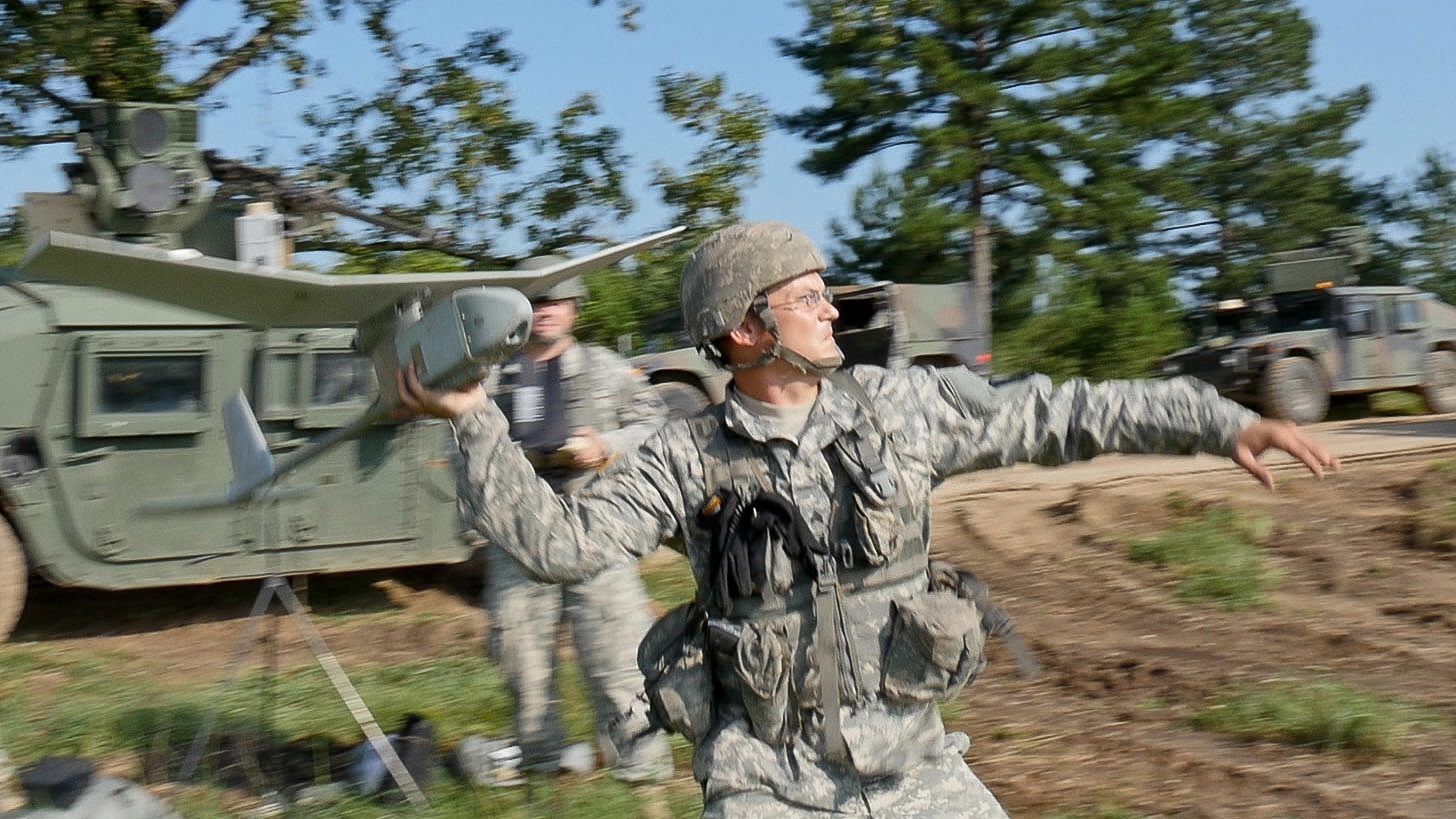
Today's Camp Shelby Joint Forces Training Center encompasses more than 134,000 acres of state, Department of Defense, and U.S. Forest Service land woven through the DeSoto National Forest in Forrest and Perry Counties. Its scale allows battalion-level maneuver training for infantry, live-fire mechanized exercises, and field artillery firing. M1 Abrams tanks and M109 self-propelled howitzers roll across terrain that has barely changed since the 38th Division first marched here in 1917. The camp trains not just Army reserve components but active-duty personnel from the Navy, Marine Corps, and Air Force. In 2007, the Air National Guard opened Shelby Auxiliary Field One, one of only two facilities in the world designed for C-17 Globemaster III short-field landing training. Camp Shelby also houses the Mississippi Armed Forces Museum, the Youth Challenge Academy for high school dropouts, and the Mississippi State Guard's annual training operations.
From the Air
Located at 31.19N, 89.20W, approximately 12 miles south of Hattiesburg along US Highway 49. The vast 134,000-acre training area is visible from altitude as a mix of cleared ranges and pine forest within the DeSoto National Forest. Shelby Auxiliary Field One is visible as a military runway within the camp perimeter. Nearest civilian airport is Hattiesburg Bobby L. Chain Municipal Airport (KHBG), about 10nm north. Hattiesburg-Laurel Regional Airport (KPIB) is approximately 20nm northeast. From 5,000 feet AGL, the camp's road network, firing ranges, and cantonment area are clearly distinguishable from the surrounding forest.