Campbell Industries
For nearly a century, Campbell Industries operated a shipyard on San Diego Bay that built everything from tuna seiners to World War II minesweepers — then closed in 1991, and its land became the site of the San Diego Convention Center.
Where the Boats Were Built
Campbell Industries operated at 1206 Marina Park Way on the downtown edge of San Diego Bay, a location now occupied by the San Diego Convention Center and its surrounding development. For most of the twentieth century, that waterfront site was an active working shipyard — the kind of industrial waterfront that defined San Diego's economy before tourism and the service sector became dominant.
The yard opened in 1906. Over the following decades, Campbell Industries became one of the key shipbuilders serving San Diego's commercial fishing fleet, which was one of the most important tuna fishing operations in the world. The boats that Campbell built — tuna seiners designed to operate far offshore — were purpose-built for an industry that San Diego dominated for much of the mid-twentieth century.
The War Years
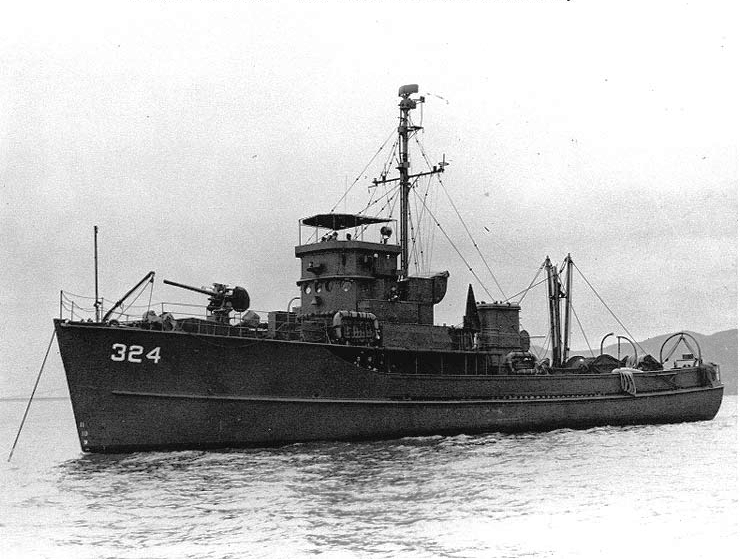
When the United States entered World War II, shipyards across the country converted to military production. Campbell Industries was no exception. The yard built YMS-1-class minesweepers — small wooden vessels designed to clear enemy-laid mines from shipping lanes. These were not glamorous ships. They were workhorses: 136 feet long, shallow-drafted, built to operate in waters where larger vessels could not go.
Minesweeping was dangerous work. The vessels that Campbell built served alongside the Navy's larger fleet in theaters across the Pacific, clearing paths for amphibious landings and keeping supply lanes open. The wooden hulls of the YMS-class sweepers made them less detectable to the magnetic mines they hunted — a design choice that reflected the particular physics of the problem.
The shift from tuna seiners to minesweepers and back again was the story of many American shipyards during the war: commercial capability redirected to military need, then redirected back when the fighting stopped.
The Long Decline of the Working Waterfront
After World War II, Campbell Industries returned to commercial shipbuilding and repair. But the context was changing. San Diego's tuna fleet, which had been one of the industry's great engines, faced increasing competition and regulatory pressure over the following decades. The fishing industry that had sustained Campbell's core business contracted.
By the 1980s, the working waterfront was also competing with a different kind of economic pressure: the value of waterfront land for development. San Diego's downtown was being reimagined as a mixed-use destination, and the industrial uses that had defined the bayfront were seen as obstacles to that vision.
Campbell Industries closed in 1991 after nearly a century of operation. The shipyard's departure from San Diego Bay was part of a broader transformation of the waterfront from working industrial space to public amenity and commercial development.
The Convention Center That Stands There Now
The San Diego Convention Center opened in 1989, built on reclaimed waterfront land including the former Campbell Industries site. The building's distinctive sail-like roof structure became one of the more recognizable pieces of architecture in downtown San Diego's skyline.
For those who know the history, the Convention Center site represents the erasure of a particular kind of waterfront life. The dry docks, the smell of marine paint, the workers who built vessels designed to cross oceans — all of that is gone, replaced by conference halls, exhibit floors, and the logistics infrastructure of the convention industry.
The land still sits on San Diego Bay. The water is the same water. Only what humans do there has changed.
From the Air
The former Campbell Industries shipyard site is now occupied by the San Diego Convention Center, located on the downtown waterfront along Harbor Drive. On approach to KSAN (San Diego International Airport), the Convention Center's distinctive white sail-shaped roof is visible on the waterfront, just east of the airport. The site faces San Diego Bay with Coronado Island visible across the water.