Cancun: The Mexican Beach Resort Built from Nothing for American Tourists
Cancun was invented by computer. In the late 1960s, the Mexican government used IBM machines to analyze climate data, beach quality, and development potential to identify ideal locations for new resort destinations. The analysis selected a 14-mile sandbar off the coast of Quintana Roo - a barrier island with no permanent population, no infrastructure, and Caribbean water the color tourists expected. Construction began in 1970; the first hotels opened in 1974. Fifty years later, Cancun receives 6 million visitors annually, most of them American, most of them seeking the combination of beaches, all-inclusive resorts, and proximity to home that the computer somehow knew they'd want.
The Construction
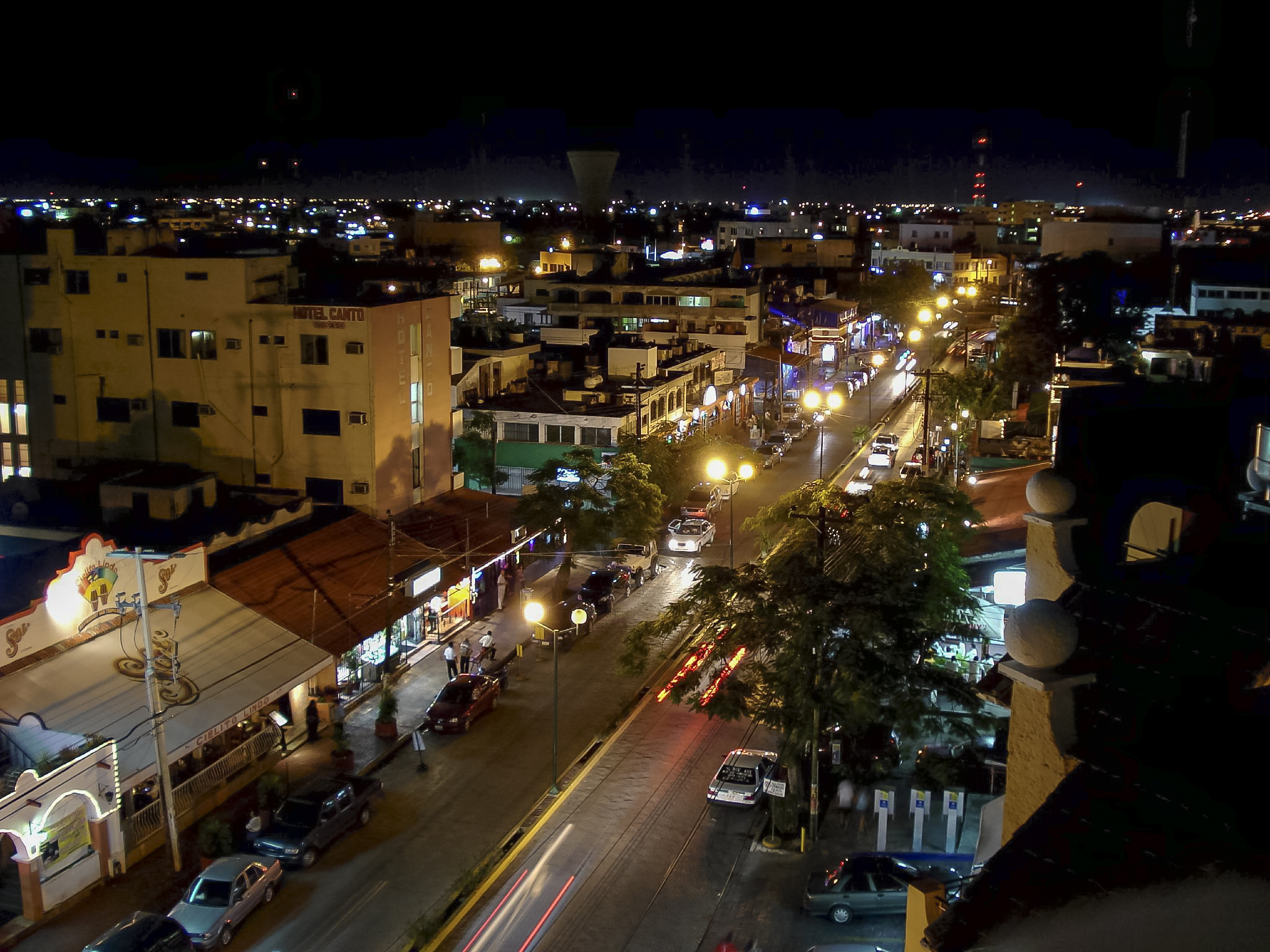
Cancun didn't evolve - it was planned, built, and populated according to government design. The tourism ministry (FONATUR) created a master plan: the Hotel Zone on the barrier island, connected by boulevard to downtown Cancun on the mainland where workers would live. The hotels were given sea-front lots; the service workers were given neighborhoods inland. The division remains: tourists rarely visit downtown Cancun, where a city of 750,000 exists to support the hotels. The planning worked - Cancun became Mexico's most successful tourism development - but the artificial origin remains visible in the resort strip's uniform character.
Spring Break
Spring break made Cancun infamous - MTV broadcasts in the 1980s and 1990s transformed the destination into American collegiate ritual. The drinking age is 18; the all-inclusive resorts provide unlimited alcohol; the combination was predictable. At peak, 100,000 students descended annually, their behavior giving Cancun a reputation for excess that the resorts both exploited and struggled to manage. The party scene has dispersed somewhat - other destinations now compete for spring breakers - but the reputation lingers. Cancun remains where American college students go to do things they'd be arrested for at home.
The Maya
The ancient Maya built their civilization throughout the Yucatán, and the ruins are Cancun's cultural selling point. Chichén Itzá, two hours west, is one of the New Seven Wonders of the World - its pyramid, El Castillo, demonstrates sophisticated astronomical alignment. Tulum, an hour south, offers ruins overlooking Caribbean cliffs. Cobá, inland, allows visitors to climb its main pyramid. The Maya connection gives Cancun cultural credibility beyond beach lounging; the day trips allow tourists to feel they've experienced Mexico rather than merely visited a Mexican beach. The ruins are genuinely impressive; whether tourists experience them as more than Instagram backdrop is another question.
The All-Inclusive
The all-inclusive resort model - one price covers room, food, drinks, and activities - defines Cancun tourism. The model works for visitors who want predictable costs and don't want to leave the property; it works less well for those seeking authentic Mexican experience. The resorts are compounds: beaches, pools, restaurants, bars, and entertainment contained within, the outside world optional. The workers commute from downtown Cancun, their wages supporting families in neighborhoods tourists never see. The transaction is efficient: tourists get Caribbean vacation; Mexico gets foreign exchange; authenticity isn't part of the deal.
Visiting Cancun
Cancun is served by Cancun International Airport (CUN), Mexico's second-busiest. The Hotel Zone stretches 14 miles along the barrier island; all-inclusive resorts dominate, but restaurants and clubs are accessible to non-guests. Isla Mujeres, a short ferry ride, offers smaller-scale beach experience. The Maya ruins require day trips: Chichén Itzá, Tulum, and Cobá are the most accessible. Downtown Cancun provides cheaper accommodations and authentic Mexican atmosphere that the Hotel Zone lacks. The cenotes - freshwater sinkholes in the limestone - offer swimming and diving experiences unique to the Yucatán. The experience is as authentic or artificial as visitors choose to make it - the beach doesn't care either way.
From the Air
Located at 21.16°N, 86.85°W on the Caribbean coast of Quintana Roo, at the northeastern tip of the Yucatán Peninsula. From altitude, Cancun's planned layout is visible - the Hotel Zone's 14-mile barrier island curving in an L-shape, the Nichupté Lagoon between island and mainland, downtown Cancun spreading inland. The Caribbean water is the distinctive turquoise that computers identified as ideal. The jungle extends southwest toward the Maya ruins. What appears from altitude as an enormous resort development was jungle 50 years ago - a destination invented by algorithm, built by government investment, and populated by tourists seeking beaches close to home.