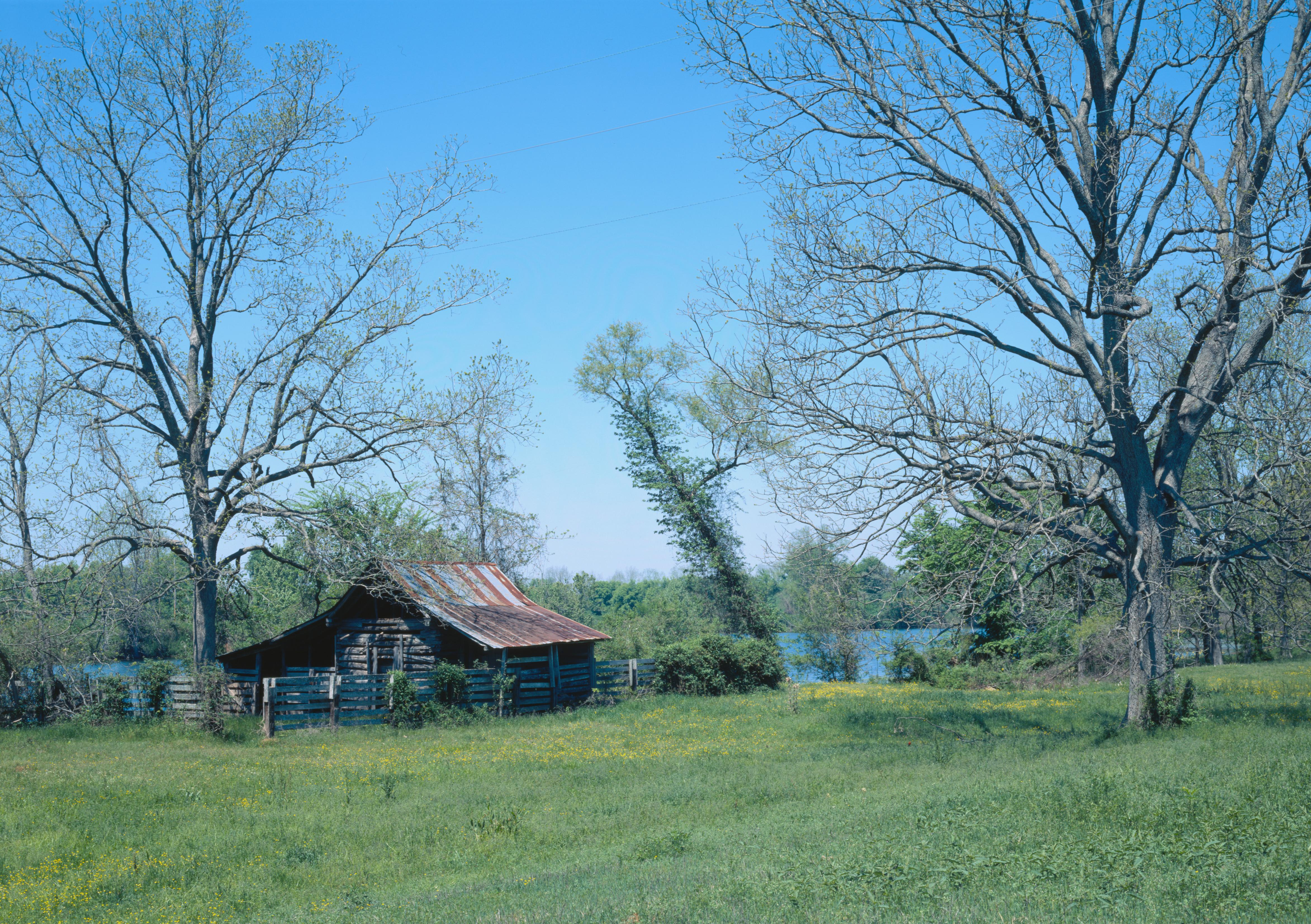
Cane River Creole National Historical Park
Inside Magnolia Plantation's gin barn stands a mule-powered cotton press built in the 1830s -- the last of its kind still standing in its original location anywhere in the United States. It is one detail among thousands preserved at Cane River Creole National Historical Park, a 63-acre site in Natchitoches Parish, Louisiana, that encompasses two complete French Creole cotton plantations: Oakland and Magnolia. Established by Congress in 1994, the park protects 65 historic structures and over a million artifacts. What makes this park remarkable is not just what survived but how completely it survived. Both plantations retain their original landscapes, outbuildings, quarters, furnishings, and tools -- a nearly unbroken record of plantation agriculture and Creole culture stretching from the mid-1700s to the late twentieth century.
Old World Seeds in New World Soil
In colonial Louisiana, the word "Creole" meant something born in the New World from Old World stock -- and it applied to people, architecture, and even livestock. The Creole identity along the Cane River blended French, Spanish, African, and Native American cultures into something distinct, transcending racial boundaries and connecting people to their colonial roots. The Prud'homme family of Oakland and the LeComte family of Magnolia were considered French Creole, and their plantations reflected this architectural style and way of life. The park preserves these layers of cultural mixing that make the Cane River region unique in American history. The park is a site on the Louisiana African American Heritage Trail, recognizing the central role of enslaved Africans and their descendants in shaping the community.
Magnolia's Long Arc
Magnolia Plantation traces its origins to 1753, when Jean Baptiste LeComte received a French land grant in Natchitoches Parish and established Shallow Lake plantation, growing tobacco. By the early nineteenth century the LeComtes had switched to cotton and were expanding their holdings. In the 1830s, Ambrose LeComte II acquired the land that became Magnolia and built most of the structures that still stand today. By the 1850s, Ambrose had retired to his Natchitoches townhouse to focus on his racehorse business, handing management to his son-in-law Matthew Hertzog -- a name that would become permanently linked to the plantation. Then the Civil War arrived. During the Red River Campaign, Union troops burned Magnolia's main house to the ground. Both Confederate and Union armies destroyed crops and outbuildings. The LeComte-Hertzog family rebuilt, converting to sharecropping by freedmen and leasing acreage to Creole tenant farmers. Mechanization eventually replaced most workers by the 1960s, though old traditions persisted -- baseball games, horse races, and Juneteenth celebrations. The last Black family left the plantation in 1968.
Oakland and the Prud'homme Legacy
Oakland Plantation began with a 1789 Spanish land grant to Emanuel Prud'homme, one of the first planters to grow cotton in the area. Emanuel began purchasing enslaved workers and in 1818 started building the plantation home. His son Pierre Phanor took over management in the late 1820s and ran a self-sufficient community that grew its own food, raised livestock, and manufactured most of what it needed. An unusual surviving structure is the pigeonnier, where pigeons were raised as a food delicacy. The Civil War devastated the plantation -- the cotton gin was burned during the Red River Campaign, and family legend holds that Phanor was arrested by Union soldiers and died while being moved to Natchitoches. After the war, Phanor's son Alphonse renamed the property Oakland, opened a store and post office for sharecroppers and tenant farmers, and began rebuilding. That plantation store operated continuously until 1983, outlasting the plantation economy it was built to serve.
The Debt That Never Ended
The sharecropping system that replaced slavery created its own form of bondage. Sharecroppers farmed sections of the owner's land in exchange for a portion of the crops, but the plantation owner supplied seed and equipment -- on credit. On larger plantations like Magnolia and Oakland, plantation stores sold goods to sharecroppers, creating cycles of debt and repayment that left little money for living. This system persisted along the Cane River for nearly a century. Low cotton prices in the late 1800s and a devastating boll weevil infestation in the early 1900s brought lean times for both planter families and workers. During World War II and after, many Black workers left for war industries in the Great Migration. Modernization came fitfully -- Phanor Prud'homme II bought the family's first car in 1910, while most people in the area still traveled by mule-drawn wagon.
What the Structures Remember
Today Oakland Plantation is open to the public, its outbuildings, sheds, storehouses, and tenant cabins illustrating the daily life of a working cotton plantation across two centuries. At Magnolia, visitors can explore the Plantation Store, Overseer's House, Blacksmith Shop, Slave and Tenant Quarters, Gin Barn, Cotton Picker Shed, and Carriage House. The gin barn alone contains two types of cotton gins alongside that rare 1830s mule-powered press. The main house at Magnolia remains in private hands, owned by the Hertzog family, though its surrounding grounds were added to the park's authorized boundary in December 2022. Both plantations are designated as National Historic Landmarks and Bicentennial Farms. The stories told here are not sanitized -- they represent the resilience, resourcefulness, and continuous interaction of the diverse families and communities along Cane River, from colonial grant holders to enslaved workers to the descendants who carry on their traditions today.
From the Air
Located at 31.666N, 93.003W along Cane River Lake in Natchitoches Parish, Louisiana. From altitude, Cane River Lake is clearly visible as a long, narrow oxbow lake running roughly north-south through the flat agricultural landscape. The two plantation sites -- Oakland and Magnolia -- sit along the lake's banks, their orderly clusters of historic buildings visible among the surrounding cotton fields and pecan groves. The town of Natchitoches, the oldest permanent settlement in the Louisiana Purchase territory, is visible to the north. Nearest airport is Natchitoches Regional (KIER), approximately 10 miles north. Alexandria International (KAEX) is about 55 miles southeast. Shreveport Regional (KSHV) lies roughly 75 miles north-northwest. Best viewed at 1,500-2,500 feet AGL to appreciate the plantation layouts along the lake.