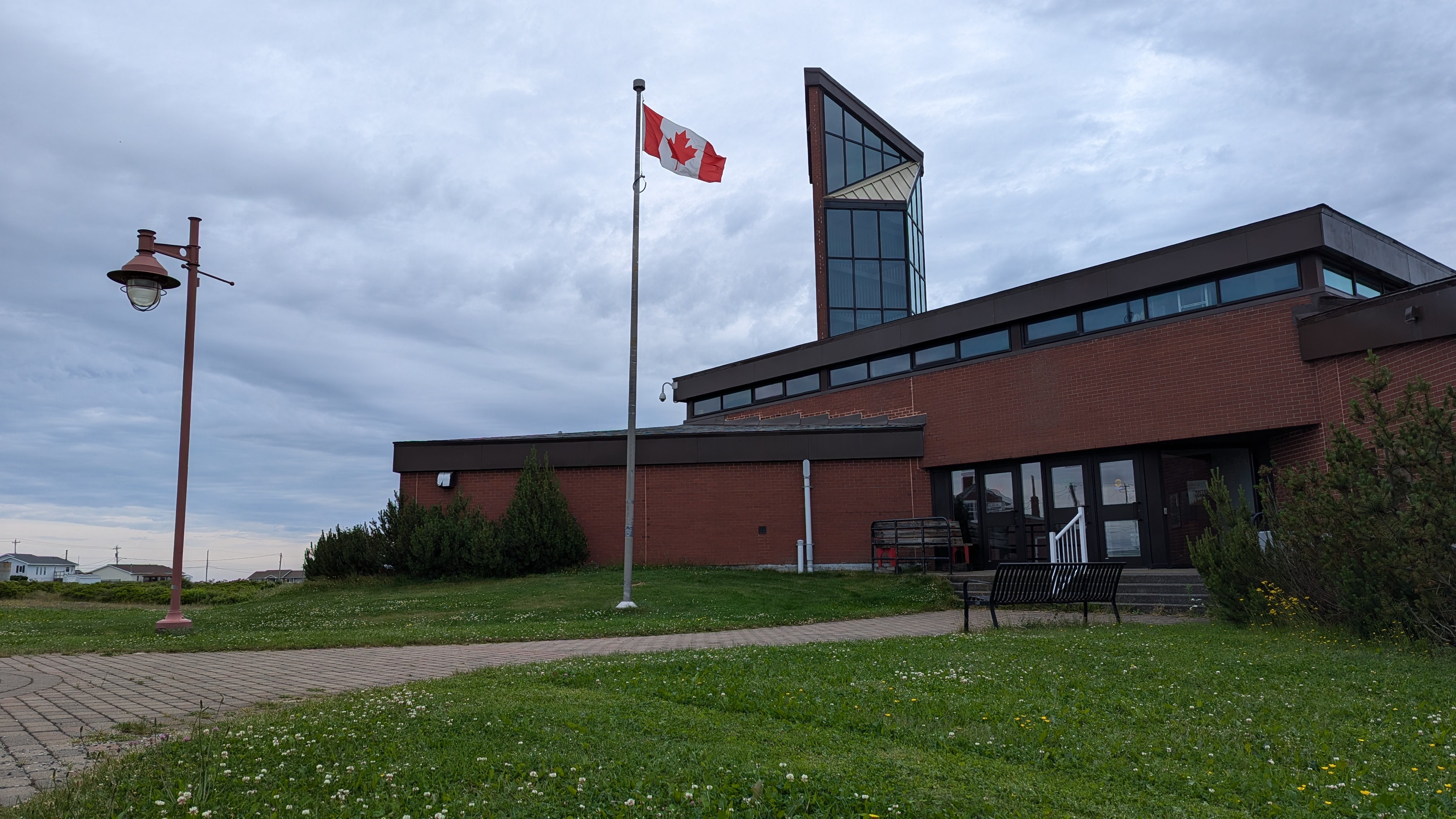
Cape Breton Miners Museum
The tour guides at the Cape Breton Miners Museum are not actors. They are retired coal miners who spent decades working seams that extended beneath the Atlantic Ocean floor, and when they take visitors underground into a replica of the No. 24 colliery, they speak from a lifetime of crawling through passages where the ceiling dripped saltwater and the walls groaned with the weight of the sea above. Then they come back upstairs, change out of their coveralls, and some of them join a choir. The Men of the Deeps, based at the museum in Glace Bay, Nova Scotia, are the world's only choir composed of working and retired coal miners -- men who sing about the mines the way sailors sing about the sea, with a mix of pride and grief that no professional performer could replicate.
Under the Ocean Floor
Cape Breton's coal mines were unusual even by the brutal standards of the industry. Many of the seams extended far out beneath the Atlantic Ocean, with miners working in tunnels where they could hear the waves overhead. The coal deposits that drew settlers to Glace Bay and the surrounding communities created one of the most important mining regions in eastern Canada, but the work extracted a heavy toll. Cave-ins, explosions, and the slow damage of coal dust defined generations of families in industrial Cape Breton. The museum, located about a kilometer from downtown Glace Bay, exists to preserve the memory of what these communities endured and what they built. Its underground simulation transports visitors into the sensory reality of the colliery -- the darkness, the confined spaces, the damp chill -- in a way that photographs and text panels cannot.
The Village That Was the Company
Outside the museum stands the Miners Village, a reconstruction of the world that coal built around itself. A Company House shows how mining families lived in dwellings owned by their employer. A Company Store demonstrates the closed economic loop that kept miners in perpetual debt -- paid in scrip redeemable only at the company store, buying goods at company prices. A Pony Barn recalls the pit ponies that hauled coal cars through underground passages too small for machinery, animals that lived in darkness for months at a time. The village buildings, staffed by volunteers during the tourism season, present an unflinching picture of industrial paternalism: the company provided housing, goods, and employment, but it also owned every aspect of a miner's economic life. The Miners Village Restaurant rounds out the complex, offering a chance to sit and absorb what the rest of the site conveys.
Songs from the Dark
The Men of the Deeps perform in their own theater inside the museum, a choir unlike any other in the world. Founded in 1966, the group draws its members from men who actually worked the mines -- not musicians who adopted a mining theme, but miners who found music. Their repertoire ranges from traditional Cape Breton folk songs to original compositions about life underground, performed by voices shaped by years of dust and labor. The choir has toured internationally, bringing the culture of Cape Breton's coalfields to audiences who have never seen a mine entrance, let alone descended into one. What makes their performances extraordinary is the gap between the stage and the subject. These are men singing about a world they know intimately -- the fear, the camaraderie, the particular humor that develops among people who depend on each other for survival in the dark.
What the Mines Left Behind
Cape Breton's coal industry has largely shut down, and the communities it built have struggled with the economic aftermath. Glace Bay, once a thriving mining town, faces the same challenges as resource-dependent communities worldwide when the resource runs out. The museum serves a double purpose: it preserves the history of an industry that shaped Nova Scotia for generations, and it provides an economic anchor for a community searching for its post-industrial identity. Celebrating its 50th anniversary, the museum continues to draw visitors who come to understand not just how coal was extracted, but what coal extraction did to the people who performed it and the communities that depended on it. The retired miners who guide tours are themselves a dwindling resource, carrying firsthand knowledge that no exhibit can fully replace.
From the Air
Located at 46.19N, 59.94W in Glace Bay, on the northeastern coast of Cape Breton Island, Nova Scotia. The museum is situated about 1 km from downtown Glace Bay. The surrounding landscape shows the legacy of coal mining -- scarred terrain, former colliery sites, and the Atlantic coastline under which many mine tunnels extended. The nearest airport is J.A. Douglas McCurdy Sydney Airport (CYQY), approximately 20 km to the west. The industrial Cape Breton landscape is distinctive from the air, with mining-era infrastructure visible amid the coastal terrain.