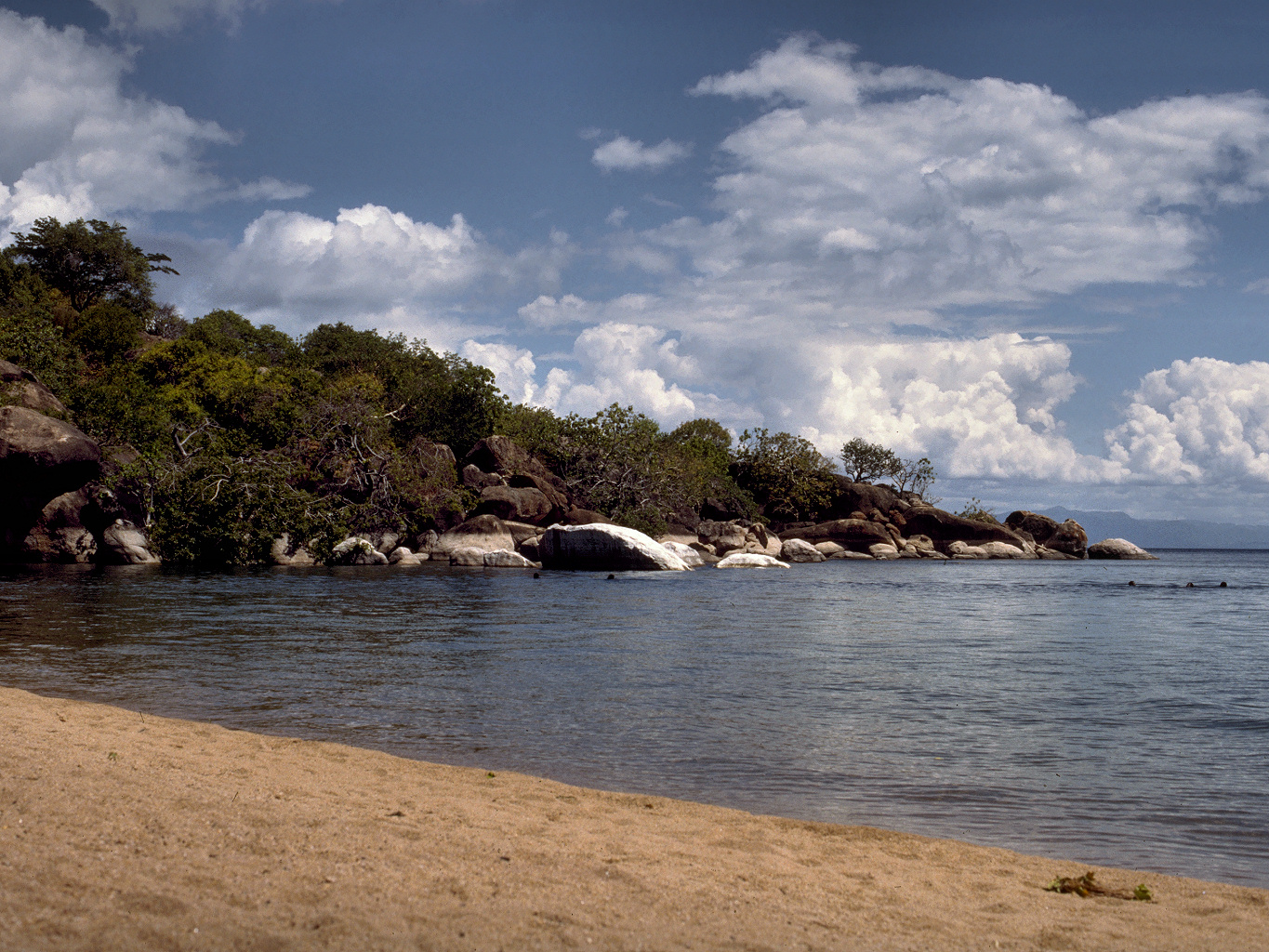
Cape Maclear
One dirt road leads into Cape Maclear, and the same dirt road leads out. In between, there is not much to do, which is precisely the point. This fishing village on the southern shore of Lake Malawi -- also known as Chembe -- has earned a reputation as a traveler's black hole: people arrive planning to stay a night or two and surface weeks later, sunburnt and unsure where the time went. The pace here is not slow so much as it is optional.
A Village Between Two Worlds
Cape Maclear is a fishing village of about 10,000 people, and the geography of the place reflects its dual identity. Fishermen live in the center of town, their dugout canoes pulled up on the sand, nets drying in the sun. On either end of the village, the lodges and hostels cater to the backpackers and divers who provide the other half of the local economy. To walk from Steven's Guest House on one end to Fat Monkeys on the other, you pass through the village itself -- and this transit through daily Malawian life is one of Cape Maclear's quiet revelations. The road opens up, the tourist veneer drops away, and you see a working community: children, cooking fires, the rhythms of a lakeside existence that predates any guidebook listing.
The Lake's Living Aquarium
The drive from nearby Monkey Bay passes through sunlit forest before opening onto the shores of Lake Malawi National Park, which extends from the land into the water and encompasses nine islands. Beneath the lake's clear surface lives one of the most remarkable concentrations of fish species on Earth -- an estimated 700 species of cichlid, known locally as mbuna, nearly all of them found nowhere else. Some species occupy ranges no larger than a single bay or rocky outcrop. Cape Maclear sits at the edge of this underwater world, and the surprisingly large number of dive shops clustered along its single road reflects the draw. Freshwater diving here is not a consolation prize for those who cannot reach a coral reef. It is a destination in its own right, the fish diversity rivaling marine ecosystems at a fraction of the depth.
Beach Economics
Commerce in Cape Maclear runs on personal negotiation. Curio vendors line the road selling hand-carved backgammon and mancala boards. Beach boys patrol the sand offering everything from canoe trips to handmade reed cars to chocolate cakes baked by their mothers. The economics are straightforward: prices are reasonable, but you should know what you want to pay before the conversation starts. Arrange an evening fish dinner on the beach through one of the beach boys and you will eat fresh chambo -- the prized Lake Malawi cichlid -- grilled over coals as the sun drops behind the hills. A full chambo fillet at any of the small Malawian restaurants along the main road costs about two dollars. Order your chips "brown" unless you prefer them soggy. At Fat Monkeys, the open-air restaurant on the south end, the pizza is decent, the parties occasionally memorable, and the beer is always cold.
Mumbo Island and the Water Beyond
About four kilometers offshore, inside the national park boundary, Mumbo Island rises from the lake. The camp there holds just six rooms, set around a small cove on the eastern shore. The island is the kind of place that travel writing tends to overcomplicate: you dive, you kayak, you lie in a hammock. That is the entire program. An 80-minute hiking trail near the mainland Missionary Graves climbs to a viewpoint above the village, offering perspective on the bay, the islands, and the vast body of water stretching north toward Mozambique. Sunset cruises aboard a large catamaran provide a different vantage, though travelers should note there is no toilet on board -- a detail that becomes relevant when paired with an open bar.
The Difficulty of Leaving
Cape Maclear's reputation as a traveler's black hole is not marketing. Something about the combination of warm freshwater, cheap fish dinners, and the complete absence of urgency makes departure feel like an act of aggression against your own wellbeing. If you manage to tear yourself away, the options are compelling: Senga Bay and Nkhata Bay offer more lake time, while Zomba, the former colonial capital to the south, sits in wooded mountains that feel startlingly unlike the rest of Africa. But many travelers simply stay, buying another round of chips, watching another moonrise over the lake, extending the hammock time by one more day. The road out of Cape Maclear is the same road that brought you in. The trick is remembering to use it.
From the Air
Located at 14.02S, 34.85E on the southern shore of Lake Malawi, at the tip of the Nankumbu Peninsula. The village sits within Lake Malawi National Park. From altitude, the peninsula and offshore islands (Mumbo, Thumbi West, Domwe) are clearly visible. Monkey Bay airstrip lies nearby. Chileka International Airport (FWCL) near Blantyre is the nearest major airport, approximately 250 km to the southwest. The clear lake waters and white sand beaches are visible from cruising altitude.