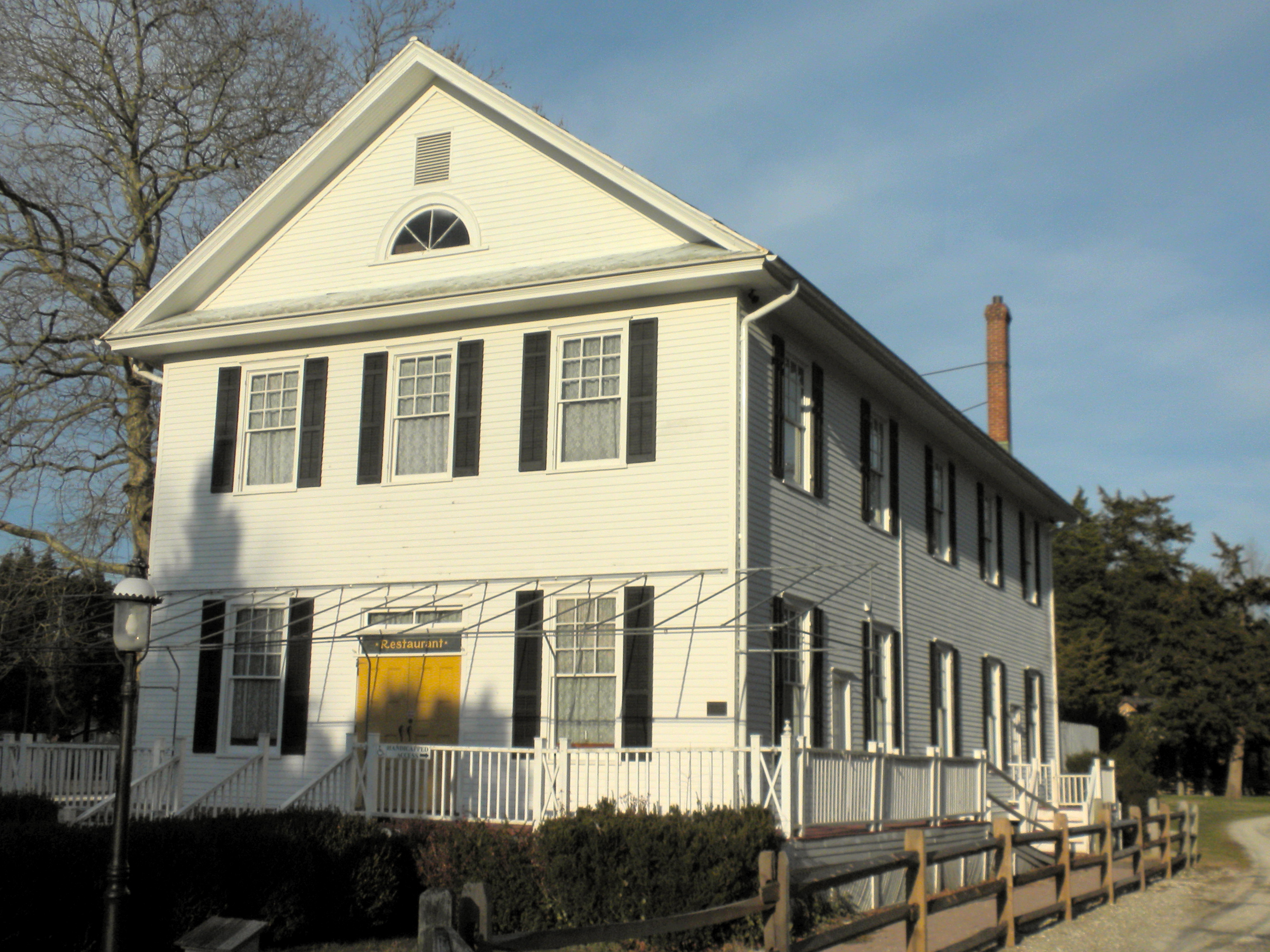
Cape May: The Victorian Resort That Refused to Modernize
Cape May is preserved by failure. America's oldest seaside resort boomed in the 1850s-1870s, when presidents and Philadelphia society summered in elaborate Victorian hotels and cottages. Then Atlantic City opened, offering gambling and modernity. Cape May declined. The grand hotels burned or closed. The wealthy went elsewhere. What remained was too expensive to demolish, too unfashionable to preserve deliberately. The Victorian buildings simply... persisted. By the 1970s, tastes had changed. The very buildings that signaled decline became treasures. Cape May reinvented itself as Victorian preservation capital, its architectural time capsule the result of economic stagnation turned accidentally into cultural asset. Failure, given time, becomes charm.
The Resort
Cape May claims to be America's oldest seaside resort - hosting vacationers since the 1760s, before the Revolution. By the 1850s, it was the destination: Presidents Pierce, Buchanan, Grant, and Harrison visited. The Mount Vernon Hotel accommodated 3,500 guests. The architecture reflected the era's exuberance: Italianate, Gothic Revival, and the Queen Anne style that would define the town. An 1878 fire destroyed 35 acres of prime beachfront, but rebuilding produced some of the finest Victorian architecture that survives today. Cape May seemed destined for permanent prominence.
The Decline
Atlantic City killed Cape May's golden age. When the railroad reached Atlantic City in 1854, and especially after the Boardwalk opened in 1870, the competition was overwhelming. Atlantic City offered casinos, entertainment, the modernity that Cape May's genteel clientele supposedly valued. Cape May became dowdy by comparison. The resorts closed. The wealthy stopped coming. The grand buildings became rooming houses or sat empty. The town couldn't afford to demolish and rebuild; it couldn't afford to modernize. Poverty preserved what prosperity would have destroyed.
The Revival
The preservation movement saved Cape May. In 1970, the entire city was designated a National Historic Landmark District - one of only a handful in the country. Federal recognition brought attention and investment. The Victorian Society in America championed the architecture. Bed-and-breakfast tourism emerged, filling the historic buildings with paying guests. What had been embarrassingly old-fashioned became fashionably authentic. The painted ladies - gingerbread houses in bold colors - became Instagram opportunities before Instagram existed. Cape May transformed from failed resort to heritage destination without changing its buildings, only its narrative.
The Present
Cape May now embraces its Victorian identity with complete commitment. The Emlen Physick Estate, an 1879 Stick Style mansion, serves as museum. The Washington Street Mall offers shops in historic buildings. Christmas brings the Victorian Weekend. The architecture is genuine and the commitment is commercial - tourism requires authenticity, and Cape May's authenticity was accidental. The irony is thick: a town preserved because it couldn't afford to change now profits because it didn't. The architecture critics dismissed as outdated is now celebrated as irreplaceable. Cape May learned that historical value and market value eventually converge.
Visiting Cape May
Cape May is located at the southern tip of New Jersey, where the Delaware Bay meets the Atlantic Ocean. The town is roughly 100 miles south of Philadelphia via the Garden State Parkway; the Cape May-Lewes Ferry connects to Delaware. The Victorian District is walkable; trolley tours offer architectural context. The Emlen Physick Estate provides guided tours. The beach is accessible; Victorian beach is still beach. Birdwatching is exceptional - Cape May is one of North America's prime migratory stopover points. Lodging is primarily B&Bs in historic buildings. The experience is the architecture: a town that couldn't change, then chose not to, and now charges admission to the result.
From the Air
Located at 38.94°N, 74.91°W at the southern tip of New Jersey, where the Delaware Bay meets the Atlantic Ocean. From altitude, Cape May appears as a concentrated Victorian town at the peninsula's end - distinct street grid, dense historic core, surrounded by beaches and the inlet. The Cape May-Lewes Ferry route is visible crossing the Delaware Bay. The peninsula is narrow, water visible on both sides. The architectural character that defines the town - gingerbread trim, painted porches, 19th-century scale - is invisible from altitude. What's visible is location: land's end, where ocean meets bay, where vacationers came for 250 years and where the buildings that hosted them remain.