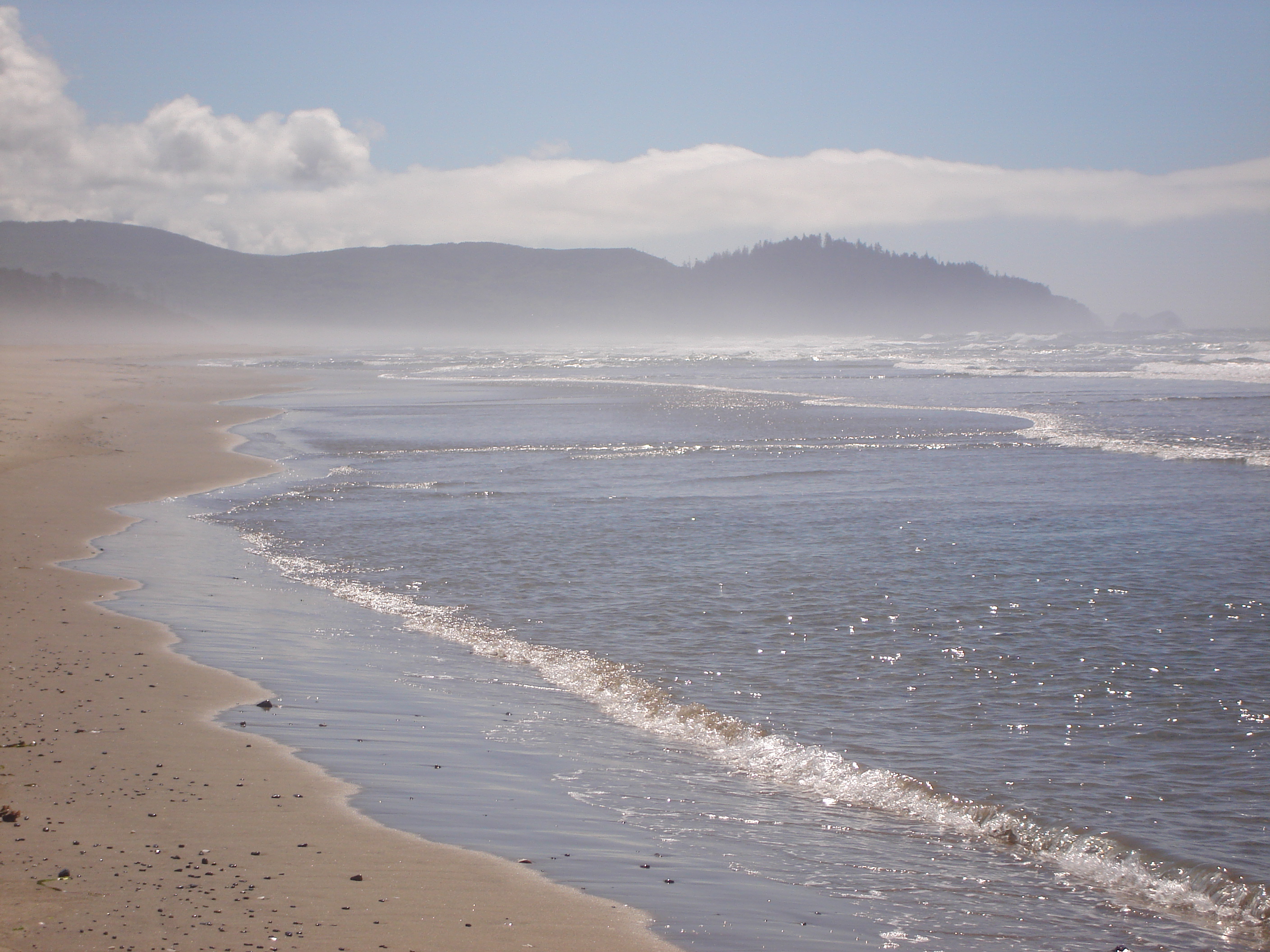
Cape Meares National Wildlife Refuge
Peregrine falcons nearly vanished from North America. DDT thinned their eggshells until the birds could not reproduce, and by the early 1970s the species was functionally extinct east of the Mississippi and clinging to survival in the West. But on the sea cliffs of Cape Meares, a pair of peregrines appeared in 1987 and built a nest. They have returned every year since, raising chicks on a headland where old-growth Sitka spruce meets the open Pacific. The 138-acre Cape Meares National Wildlife Refuge exists, in part, because someone in 1938 had the foresight to protect this scrap of coastal forest before anyone knew the falcons would need it.
A Forest That Remembers
The refuge was established in 1938 to protect one of the last remnants of coastal old-growth forest on the Oregon headlands. Some of these trees are hundreds of years old, towering more than 200 feet above the forest floor - ancient Sitka spruce whose root systems grip the cliff edges while their canopies catch fog and rain. Among them lives the Cape Meares Giant, a Sitka spruce that became the largest known specimen in Oregon after the Great Coastal Gale of 2007 toppled the Klootchy Creek Giant, previously considered the biggest in the world. In 2008, a Portland-based organization called Ascending the Giants received a special use permit to climb and measure the tree. The U.S. Fish and Wildlife Service confirmed the results and designated it an Oregon Heritage Tree.
Cliffs Loud with Wings
Each spring, thousands of seabirds descend on the refuge's sea cliffs to breed. Pelagic cormorants crowd the ledges, their dark bodies pressed against the rock. Common murres stand shoulder to shoulder in dense colonies. Tufted puffins, with their orange bills and pale head plumes, nest in burrows they dig into the clifftop soil. Pigeon guillemots tuck into crevices. Western gulls patrol above, opportunistic and loud. Black oystercatchers work the intertidal zone below, prying shellfish from rocks with their bright red bills. From the wildlife viewing deck at Cape Meares State Scenic Viewpoint, visitors can watch this vertical city come alive - each species occupying its own elevation, its own niche on the same stretch of stone.
The Falcon's Return
The nesting peregrine falcons are the refuge's most celebrated residents. Peregrines hunt by diving from great heights, folding their wings and plummeting at speeds exceeding 200 miles per hour - the fastest animal on Earth. At Cape Meares, they hunt the seabirds that crowd the cliffs below their aerie, a ledge chosen for its commanding view of the ocean and the nesting colonies. Visitors can sometimes spot the pair from the viewing deck, though binoculars help. The marbled murrelet, a threatened species that nests not on cliffs but in the mossy branches of old-growth trees, also finds refuge here. Its survival depends on precisely the kind of ancient forest that the refuge protects.
Where the Trail Meets the Edge
The Oregon Coast Trail passes through the center of the headland, offering hikers a route between forest and cliff edge. Interpretive displays along the trail describe the wildlife, but the real education comes from standing still and looking. Gray whales migrate past during winter and spring, their spouts visible from the headland on calm days. Scoters, western grebes, and common loons feed in the nearshore waters. In 1987, the refuge - with the exception of the trail corridor - was designated a Research Natural Area, a classification that limits human activity to protect the ecosystem for scientific study. Walking the trail, you are passing through a laboratory where the experiment is simply leaving things alone.
From the Air
Located at 45.49°N, 123.96°W on Cape Meares headland, along the northern Oregon coast just south of Tillamook Bay. The refuge covers the forested western slopes and sea cliffs of the cape. From altitude, look for a densely wooded promontory with dramatic cliff faces on the west and south sides, white with seabird guano during nesting season. Nearest airport is Tillamook Airport (KTMK), approximately 8 miles southeast. Best viewed at 1,500-2,500 feet AGL. Gray whale spouts may be visible offshore during migration months (December through May).