Cape of Good Hope
Bartolomeu Dias called it the Cape of Storms. He had earned the right to name it -- in 1488, his was the first European expedition to round this rocky headland at the southwestern tip of Africa, fighting through the gales and currents that guard the passage between the Atlantic and Indian oceans. King John II of Portugal overruled the name. He called it the Cape of Good Hope, because rounding it meant a sea route to India was finally possible. The king's optimism proved justified. The explorer's experience proved more enduring. Sailors have been fighting the cape's storms ever since.
The Corner Where Africa Turns
The Cape of Good Hope is not, as many believe, the southernmost point of Africa -- that distinction belongs to Cape Agulhas, about 150 kilometers to the east-southeast. What the cape actually marks is something more important to navigation: the point where a ship following the western coast of Africa begins to travel more eastward than southward. It is the corner where the continent bends, and rounding it has been the defining challenge of the route between Europe and Asia for five centuries. The warm Agulhas current from the Indian Ocean meets the cold Benguela current from the Atlantic somewhere between Cape Agulhas and nearby Cape Point, creating a zone of colliding water masses, unpredictable swells, and troubled seas that have witnessed countless maritime disasters.
Older Than the Portuguese
Europeans may have been late to the cape. Around 600 BC, the Egyptian pharaoh Necho II reportedly sent a Phoenician expedition from the Red Sea around Africa and back to the mouth of the Nile -- a three-year voyage that would have rounded the Cape of Good Hope two thousand years before Dias. Herodotus recorded the account with skepticism, noting that the Phoenicians claimed the sun was on their right as they sailed westward around Africa's southern end. That astronomical detail, impossible from the vantage point of the Mediterranean, is precisely what one would observe in the Southern Hemisphere -- lending unexpected credibility to the claim. The Greek navigator Eudoxus of Cyzicus may have attempted the route around 116 BCE, inspired by wreckage from a ship that had apparently sailed from Spain to the Indian Ocean.
The Tavern of the Seas
In 1652, the Dutch East India Company established a resupply camp in Table Bay, about 50 kilometers north of the cape, under the administration of Jan van Riebeeck. Fresh food was essential for crews making the months-long passage around Africa, and Cape Town -- as it became known -- earned the nickname "The Tavern of the Seas." Huguenot refugees from France arrived in 1687, bringing the viticultural skills that would eventually produce the Cape Winelands. The colony changed hands during the Napoleonic Wars, passing from Dutch to British control after the Battle of Blaauwberg in 1806, and the British formally took possession in 1814. Through every political upheaval, the cape's geographic importance remained constant: it was the hinge point of global trade.
Where Fynbos Meets the Sea
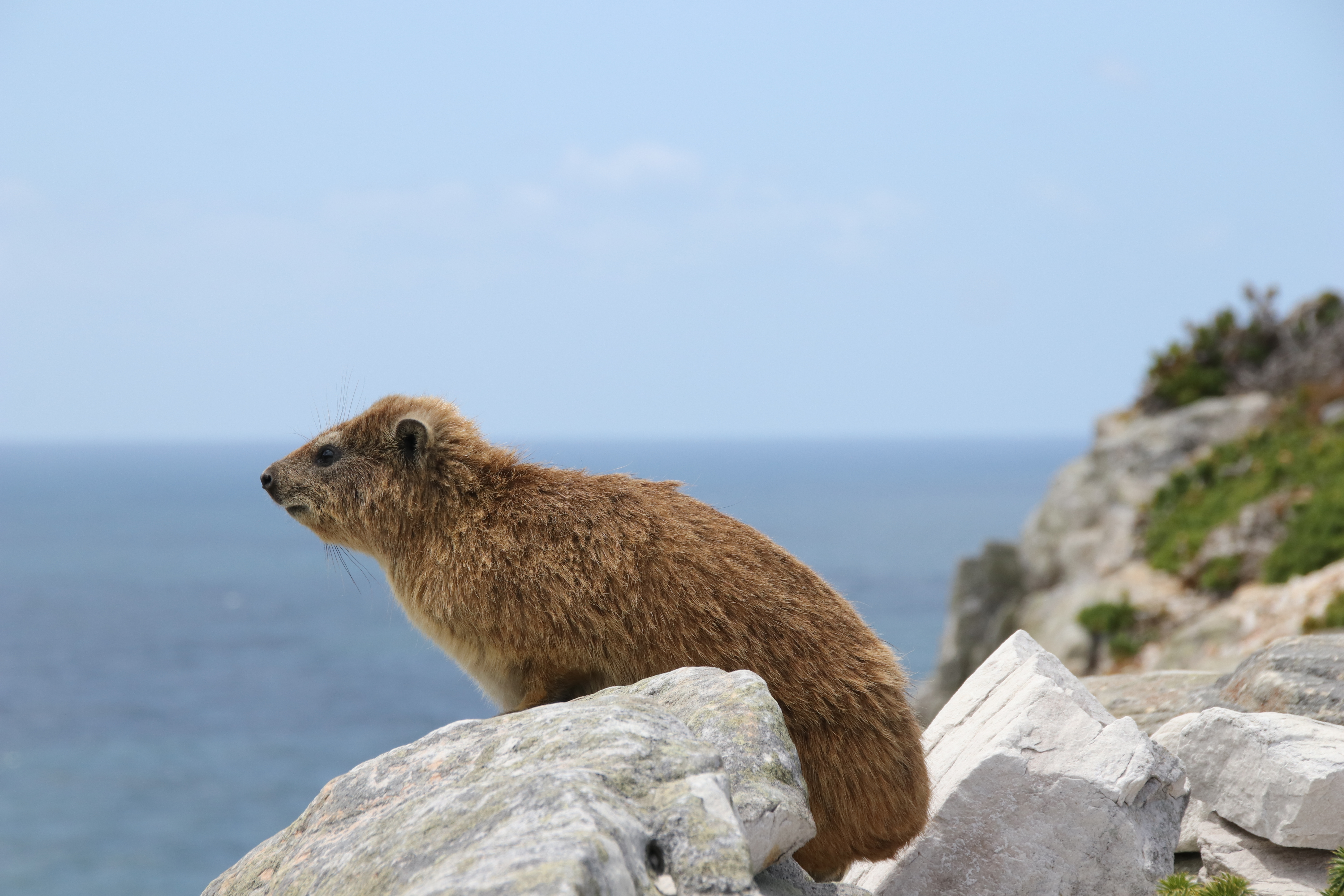
The Cape of Good Hope sits within Table Mountain National Park, and the landscape is as extraordinary above the waterline as below it. The cape is part of the Cape Floristic Kingdom, the smallest but richest of the world's six floral kingdoms, home to 1,100 species of indigenous plants. The dominant vegetation is fynbos -- literally "fine bush" in Afrikaans -- a scrubby, heathlike biome that includes proteas, ericas, and restios. The king protea, South Africa's national flower, grows here. At least 250 species of birds inhabit the area, including one of only two mainland colonies of African penguins. Bontebok, eland, and a small population of Cape mountain zebra roam the park. Chacma baboons are the most visible residents -- and the most contentious, raiding picnics and testing the patience of park managers who must balance tourism with the survival of a genetically isolated population.
The Ghost Ship's Home
Legend holds that the Cape of Good Hope is the domain of the Flying Dutchman, a phantom vessel crewed by damned sailors, condemned to beat endlessly through these waters without ever rounding the headland. The Portuguese poet Luis de Camoes gave the cape its own mythological guardian: Adamastor, a giant embodying the forces of nature that navigators had to overcome. These legends were born from real terror. The cape's reputation for storms, rogue waves, and treacherous currents is not exaggerated. Even in the 21st century, global shipping has been forced back to the Cape of Good Hope route after the 2024 Red Sea crisis diverted vessels away from the Suez Canal, reminding the world that this headland remains what it has always been -- an unavoidable passage, as dangerous and as necessary as it was when Dias first saw it through the spray.
From the Air
The Cape of Good Hope is at approximately 34.36S, 18.47E, at the southwestern tip of the Cape Peninsula. Cape Point, with its prominent lighthouse, is 2.3 km to the east-northeast. Table Mountain and Cape Town are visible approximately 50 km to the north. Cape Town International Airport (FACT) is the nearest major airport. From altitude, the dramatic coastline of the Cape Peninsula, False Bay to the east, and the open Atlantic to the west are all clearly visible. Recommended viewing altitude: 3,000-5,000 feet for the full peninsula panorama.