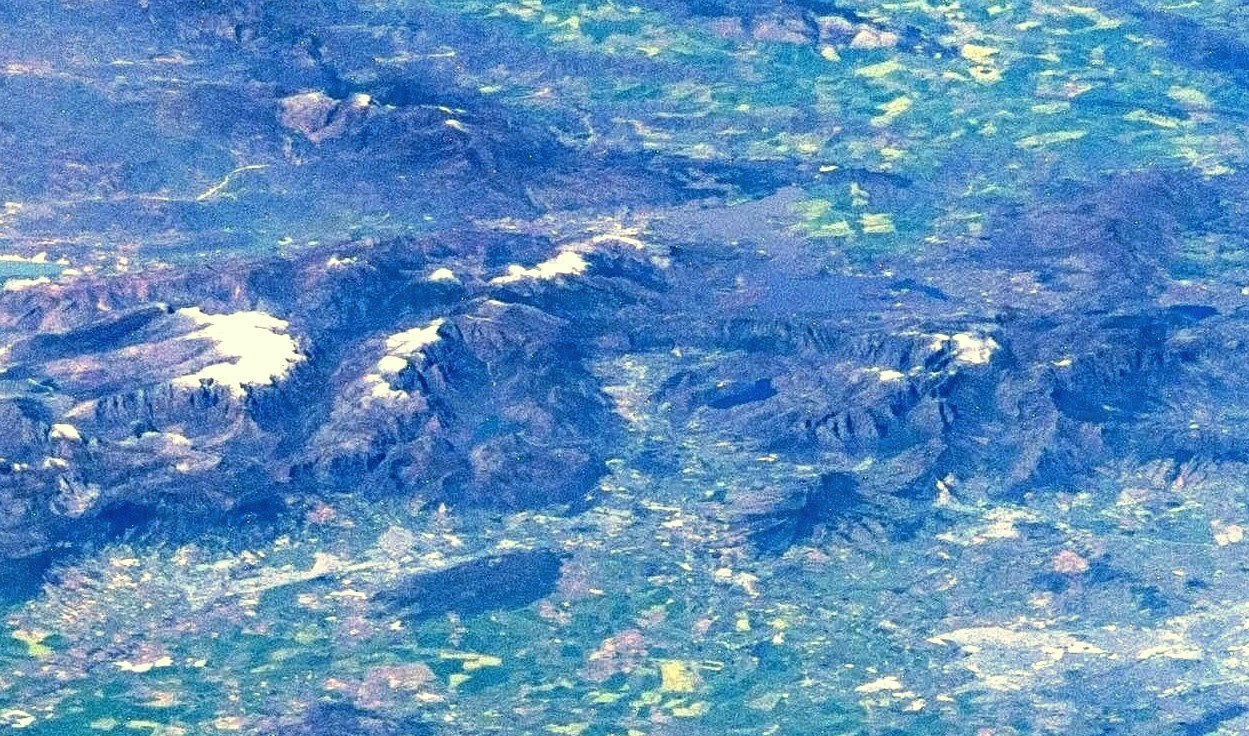
Cape Winelands
In 1652, the Dutch East India Company established a refreshment station at the Cape of Good Hope. The assignment was pragmatic: grow fresh food for ships sailing between Amsterdam and the East Indies. Nobody planned to start a world-class wine industry. But when Governor Simon van der Stel began granting farmland to settlers from the Netherlands, Germany, and France, some of those settlers turned out to be experienced winemakers who recognized what the Company bureaucrats had missed. The hills northeast of Cape Town -- sheltered from ocean winds, blessed with Mediterranean warmth, watered by mountain streams -- were ideal for growing vines. Three and a half centuries later, the Cape Winelands produce some of the most awarded wines on Earth, from regions that span the Constantia Valley on the slopes of Table Mountain to the wheat-dusted hills of the Swartland.
Constantia: Where It All Started
The oldest wine farm in the region is Groot Constantia, granted to Governor Simon van der Stel himself in 1685 by the Dutch East India Company. The estate sits on the southern slopes of Table Mountain, and its beautiful Cape Dutch homestead now forms part of the Iziko South African National Museums. In the 18th and 19th centuries, the sweet wines of Constantia were famous across Europe -- Napoleon reportedly requested Constantia wine during his exile on Saint Helena. Today the area remains one of the most prestigious addresses in South African wine, with estates like Steenberg producing acclaimed Sauvignon Blanc and Semillon, and Buitenverwachting turning out Chardonnay that wins international competitions. The beauty of these farms, with their whitewashed gables and oak-lined drives set against the mountain, makes it easy to forget that this is agricultural land that was originally worked by enslaved people -- a history that the Cape Winelands are only beginning to reckon with fully.
The Boland Basin: Three Towns, Three Hundred Years
The heartland of the Winelands lies in the Boland basin, where the towns of Stellenbosch, Paarl, and Franschhoek form a triangle of vine-covered valleys between mountain ranges. Stellenbosch, founded in 1679, is the oldest of the three and offers close to 200 wineries along its wine routes, from the Pinotage specialists at Beyerskloof to the legendary Rubicon blend at Meerlust. Paarl, beneath its enormous granite outcrop, adds bold Shiraz and excellent brandy to the mix. Franschhoek, the "French Corner" settled by Huguenot refugees, contributes some of the country's finest sparkling wines from estates like Cabriere and Graham Beck. The labour systems that built these estates -- from slavery in the 17th and 18th centuries to the exploitative farm worker arrangements that persisted through apartheid and beyond -- are part of the story too, one that winemakers and workers are still navigating toward something more equitable.
From Fynbos to Fermentation
What gives Cape wines their distinctive character is the meeting of old vines and new-world terroir. All the wine grape varietals cultivated in South Africa belong to the Vitis vinifera species, originally brought from Europe. The Western Cape's position at 34 degrees south is cooler than the latitude suggests, thanks to ocean breezes that seldom travel more than 50 km inland before reaching the vineyards. The fertile soil and Mediterranean climate make it ideal for growing Sauvignon Blanc, Chardonnay, Cabernet Sauvignon, Shiraz, and Pinot Noir. South Africa's signature grape, Pinotage -- a cross between Pinot Noir and Cinsault developed in Stellenbosch in 1925 -- thrives here as nowhere else. European vines were susceptible to the phylloxera insect that devastated vineyards worldwide, and South African viticulturists today often graft their vines onto resistant American rootstock, a quiet reminder that winemaking is always a negotiation between human ambition and natural reality.
Beyond the Tasting Room
The Winelands stretch well beyond the core Boland triangle. The Overberg region, beyond the Franschhoek and Hottentots Holland mountain ranges, includes the Hemel-en-Aarde Valley near Hermanus, where Hamilton Russell's Pinot Noir and Bouchard Finlayson's wines have earned international reputations. North of Cape Town, the Swartland region has emerged as the heartland of South Africa's natural wine movement, with producers in the Riebeek Valley working with old-vine Shiraz, Chenin Blanc, and Grenache in a landscape better known for wheat farming. Most vineyards are open daily and offer modestly priced tastings -- R30 to R60 for five or six generous pours -- with no snobbery and no pressure to buy. Many estates add restaurants, picnic spots, cheese and chocolate tastings, and mountain views to the experience. The Vine Hopper minibus service in Stellenbosch lets visitors hop between six vineyards a day without worrying about driving, an acknowledgment that the Cape Winelands are best experienced at a pace that matches the wine itself: slowly, and with attention.
From the Air
Located at approximately 33.50S, 19.35E, the Cape Winelands region extends northeast of Cape Town across multiple mountain-ringed valleys. Key landmarks include Paarl Rock, the Simonsberg range, the Franschhoek valley, and the Helderberg mountains. Vineyard patterns are clearly visible from altitude, with the geometric rows of vines creating distinctive textures on valley floors. Cape Town International Airport (FACT) provides access. Recommended viewing altitude: 5,000-8,000 ft to appreciate the full extent of the wine-growing valleys and mountain framework.