Capture of Columbia
The cotton was already in the streets when the first Union soldiers crossed the Broad River on the morning of February 17, 1865. Bales had been dragged out of warehouses and basements on orders from the Confederate post commander, who intended to burn them rather than let them fall into enemy hands. Then a new commanding officer reversed the order. Too late -- the cotton sat exposed on the avenues of Columbia, South Carolina, the state capital, a rail hub, a manufacturing center, and the symbolic birthplace of secession. By dawn on the 18th, roughly a third of the city lay in ashes. Who burned Columbia became one of the Civil War's most enduring arguments. The answer, as modern historians have concluded, is that no single cause explains the destruction. The war burned Columbia.
The Target on Its Back
Columbia's strategic importance made it an inevitable objective. After capturing Savannah, Georgia, at the end of his March to the Sea, Major General William T. Sherman turned his combined armies northward, aiming to unite with Ulysses S. Grant in Virginia and sever Robert E. Lee's supply lines to the Deep South. He planned to march through South Carolina to Columbia, then destroy the Confederate arsenal at Fayetteville, North Carolina, before linking up with Major General John Schofield's XXIII Corps at Goldsboro. To confuse the Confederates, Sherman sent his left wing toward Augusta and his right wing toward Charleston, masking his true objective. Confederate General P. G. T. Beauregard spread his forces thin trying to defend both cities, leaving Columbia fatally underprotected. No preparations had been made to evacuate citizens, military supplies, or even the Confederate treasury's printing presses.
Panic on the Congaree
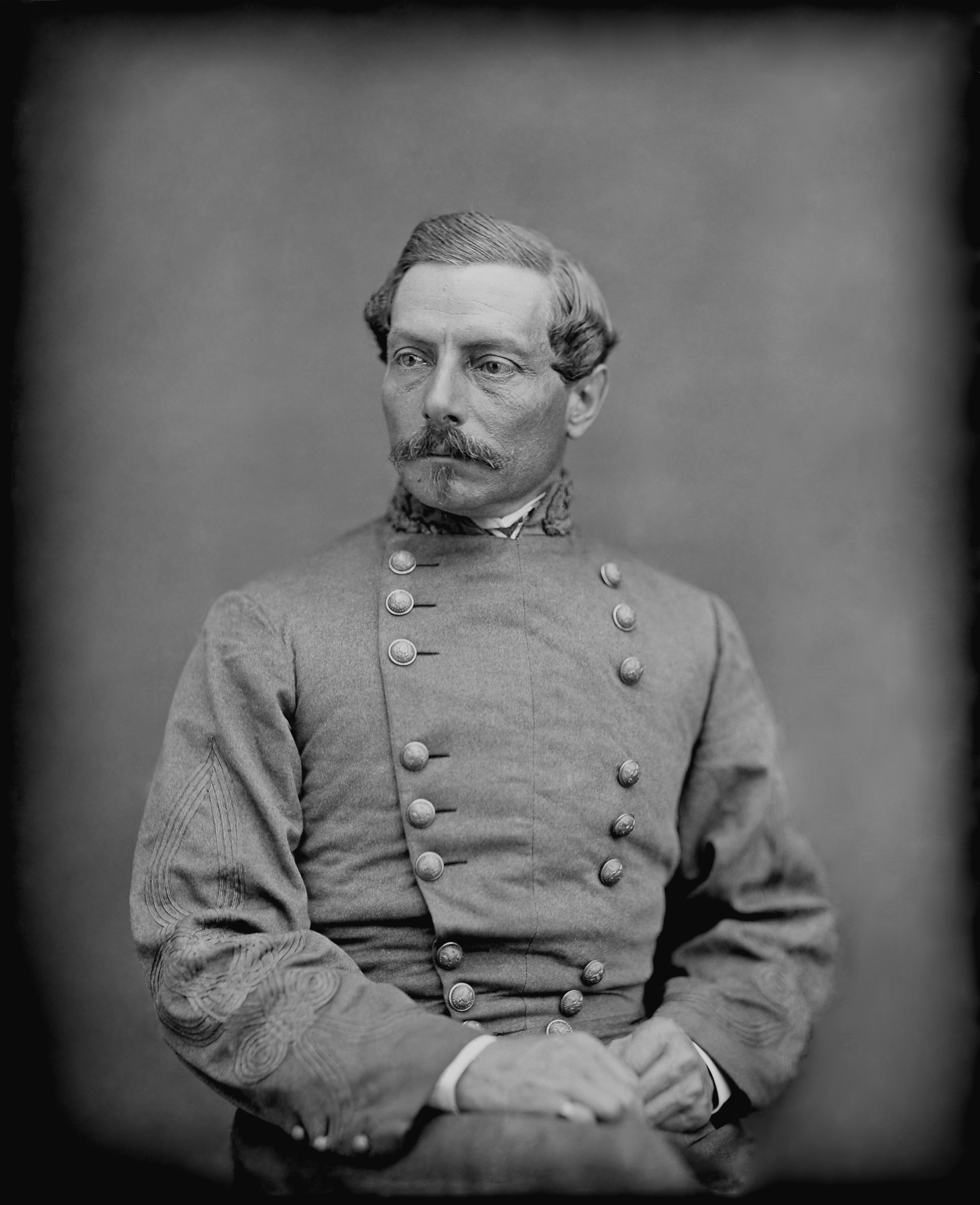
By February 15, Sherman's army was four miles from the city. Confederate artillery shelled Union troops in their sleep that night after campfires gave away their positions. Sherman was furious but held back from retaliation. On the 16th, the last Confederate troops pulled back across the Saluda and Congaree rivers, burning the bridges behind them in defiance of Beauregard's orders. Meanwhile, Columbia itself was unraveling. Hasty attempts to evacuate military supplies salvaged almost nothing. Demoralized Confederate soldiers streamed into the city, triggering riots. Martial law was declared on the 16th. Wade Hampton III, promoted to lieutenant general effective the morning of the 17th, realized that the cotton sitting in the streets was a catastrophe waiting to happen and ordered it not be burned. But fires had already broken out in the street cotton during the night -- started by drunk Confederates, Union shelling, or both.
Unconditional Surrender, Then Chaos
Colonel George A. Stone of the XV Corps crossed the Broad River at 9 a.m. on February 17 and sent skirmishers after the retreating Confederates. Around 10 a.m., the Mayor and Aldermen of Columbia met Stone under a flag of surrender. Stone demanded unconditional terms; after a brief discussion, they agreed. But the fleeing Confederate forces had no knowledge of the surrender and continued fighting Stone's skirmishers. Outraged, Stone placed the Mayor and Aldermen under armed guard, threatening to have them shot if a single Union soldier was harmed. As Union troops occupied the city, they discovered streets littered with cotton bales and barrels of liquor left behind in the chaos. Soldiers began drinking. Fires already smoldering from the previous night's cotton blazes continued to burn, and at least nine separate groups of fires were extinguished throughout the day. Sherman assigned a provost guard and ordered fire control, but discipline was fraying.
The Night Columbia Burned
After dark on February 17, the situation became uncontrollable. High winds whipped the cotton fires back to life and spread flames through the city. Drunken Union soldiers, Confederate stragglers, and local looters all contributed to the chaos. Some Union troops set fires; others formed bucket brigades to fight them. Sherman personally ordered buildings blown up to create firebreaks. By dawn, roughly a third of Columbia was destroyed. The burning became a cornerstone of the Lost Cause narrative, which held that Sherman deliberately ordered the city's destruction. Modern historians, including James W. Loewen in "Lies Across America," have found that no single order or actor caused the fire. The cotton bale blazes, reignited by wind, were the primary accelerant. Some Union soldiers set fires, but the effects were localized. The Confederate decision to pull cotton into the streets, the failure to evacuate, the abandoned liquor, and the gale-force winds created a perfect storm of destruction.
Ashes and Arguments
Sherman's army remained in Columbia for two days before continuing north toward Fayetteville. The destruction left lasting scars on the city and on the national memory. For decades, South Carolinians blamed Sherman alone. Sherman blamed Wade Hampton and the retreating Confederates for setting the cotton afire. A mixed commission studied the question after the war and reached no definitive conclusion. In 1874, a newspaper columnist offered perhaps the most honest assessment: "the war burned Columbia." The capture of Columbia accomplished Sherman's strategic goals -- it severed Confederate supply lines, destroyed manufacturing capacity, and dealt a psychological blow to the state where secession had begun. But the burning overshadowed the military achievement. Columbia rebuilt, and today the modern city of over 130,000 people shows little physical evidence of that February night. The old State House, however, still bears bronze stars marking where Union shells struck its walls -- small monuments to the night when a city caught between two armies caught fire.
From the Air
Columbia, South Carolina is at approximately 34.001N, 81.035W. The city sits at the confluence of the Saluda and Broad rivers, which merge to form the Congaree River -- a landmark visible from altitude. The historic city center, where most of the burning occurred, is the compact grid just south of this confluence. The South Carolina State House, still bearing shell marks, is a visible landmark. Nearest airports include Columbia Metropolitan Airport (KCAE), approximately 5 miles southwest of downtown, and Jim Hamilton-L.B. Owens Airport (KCUB), a small field closer to the city center. The terrain is flat Piedmont; visibility is generally good.