Cass Scenic Railroad
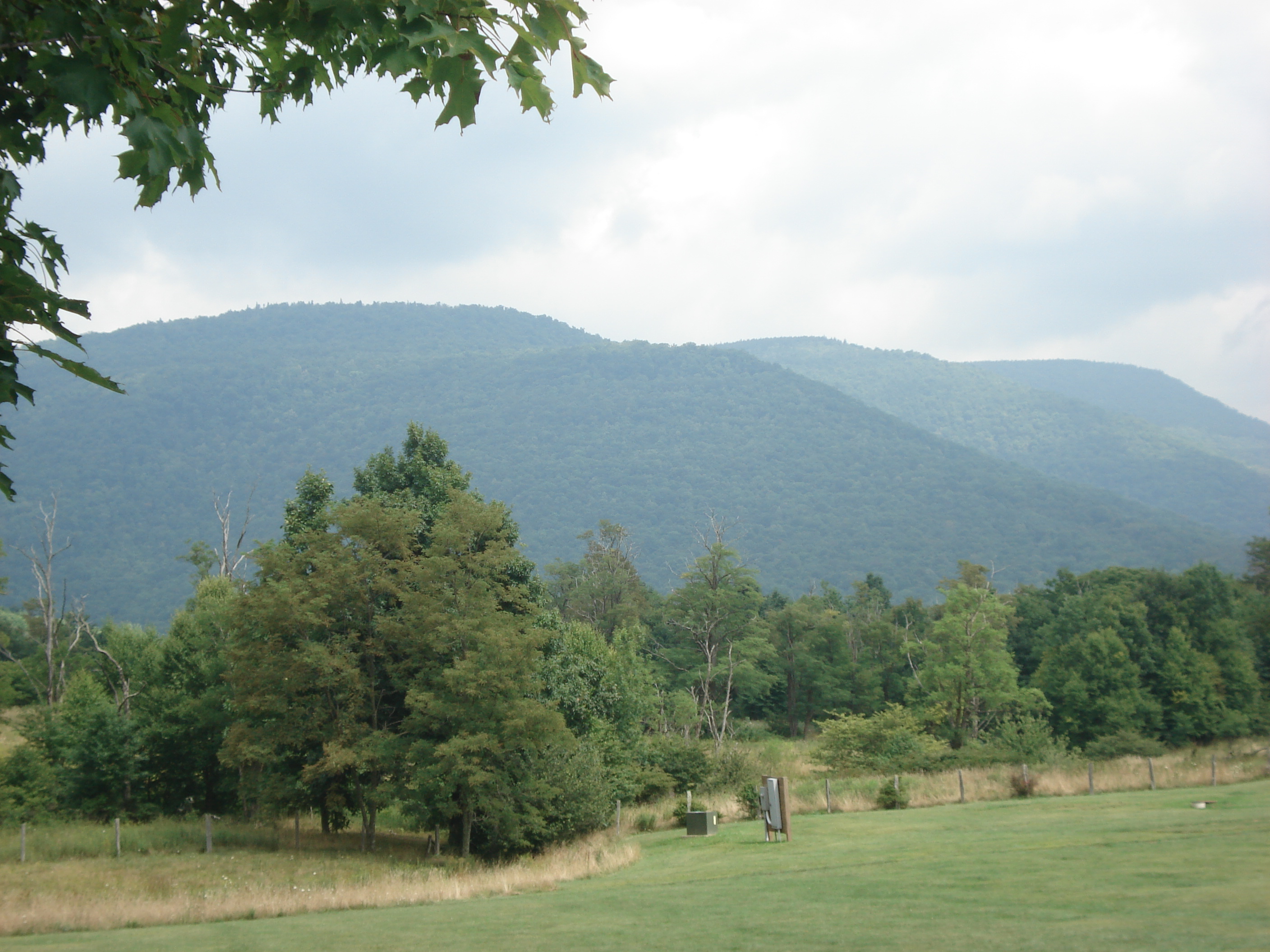
In the mountains of eastern West Virginia, steam locomotives still climb. The Cass Scenic Railroad operates vintage Shay engines on what was once a logging railroad, hauling tourists up grades so steep that conventional locomotives can't manage them. The Shay's unique design - a geared drive system connected to all wheels - allows it to climb where other trains can't, creeping up 11% grades and around tight switchbacks that would stall a standard locomotive. The railroad runs from the restored lumber town of Cass to Bald Knob, West Virginia's second-highest point at 4,842 feet. The journey takes four hours round-trip, through forests that have regrown since the loggers left. The Cass Scenic Railroad is a working museum - not replica equipment, but the actual locomotives that hauled logs out of these mountains a century ago.
The Logging
Cass was built as a company town in 1901 by the West Virginia Pulp and Paper Company, which was harvesting the virgin spruce forests of the Allegheny Mountains. The railroad was essential: the only way to move logs out of the steep, roadless terrain. By the time the timber played out in the 1960s, 250 million board feet of lumber had descended from these mountains on Shay locomotives. The company sold the town; most buildings were moved or demolished. The railroad might have been scrapped too, but the State of West Virginia saw tourism potential. Cass Scenic Railroad State Park opened in 1963.
The Shay
The Shay locomotive was invented by Ephraim Shay in 1880 specifically for logging railroads. Unlike conventional locomotives, which have horizontal pistons driving large wheels, the Shay has vertical pistons connected to a driveshaft that turns all wheels through gears. The design allows the Shay to climb steep grades and navigate tight curves that would derail conventional trains. The tradeoff is speed - Shays typically operate at 10-15 mph. But for logging railroads, climbing ability mattered more than speed. Cass operates several Shays, the largest collection of operable Shays in the world.
The Journey
Trains depart from Cass station for two destinations. The shorter trip goes to Whittaker Station, site of a former logging camp, with interpretive exhibits. The longer trip continues to Bald Knob, the second-highest point in West Virginia. The Bald Knob trip takes about four hours round-trip, climbing over 2,000 feet through regrown forest. The locomotives work hard - passengers can hear and feel the effort as the Shays creep up grades that seem impossibly steep. The summit offers views across the Appalachians; on clear days, visibility exceeds 100 miles. The descent is equally dramatic, with the engines barely holding against gravity.
The Town
Cass itself is a restored company town, now part of the state park. The company store, boarding houses, and workers' cottages have been preserved and restored. Visitors can rent restored workers' cottages for overnight stays. The railroad shop, where locomotives are maintained, offers tours. The atmosphere is early 20th century Appalachian logging country - rustic, remote, and unpretentious. Cass has no fast food, no chain hotels, no modern intrusions. It's a time capsule of industrial Appalachia, preserved because the state saw value in its authenticity.
Visiting Cass Scenic Railroad
Cass Scenic Railroad State Park is located in Pocahontas County, West Virginia, on Route 66 east of Route 219. Trains operate weekends from Memorial Day through October, with expanded schedules in summer and fall foliage season. Reservations are strongly recommended for Bald Knob trips. The town is free to explore; train tickets are charged. Overnight accommodations in restored company houses are available. The area is remote - bring supplies. The nearest significant town is Elkins (40 miles north). Shenandoah Valley Regional Airport in Staunton, Virginia, is the closest commercial service (90 miles east). Fall foliage season (late September through October) offers spectacular colors but sells out quickly.
From the Air
Located at 38.40°N, 79.92°W in the Allegheny Mountains of eastern West Virginia. From altitude, Cass appears as a tiny town in a mountain valley, with railroad tracks climbing into the forested mountains. The route to Bald Knob is visible as a cleared corridor through the forest. The terrain is classic Appalachian - forested ridges, narrow valleys, few settlements. The Greenbrier River valley is visible to the west. Charlottesville, Virginia, is 100 miles east. The isolation is total - these mountains have few roads and fewer people.