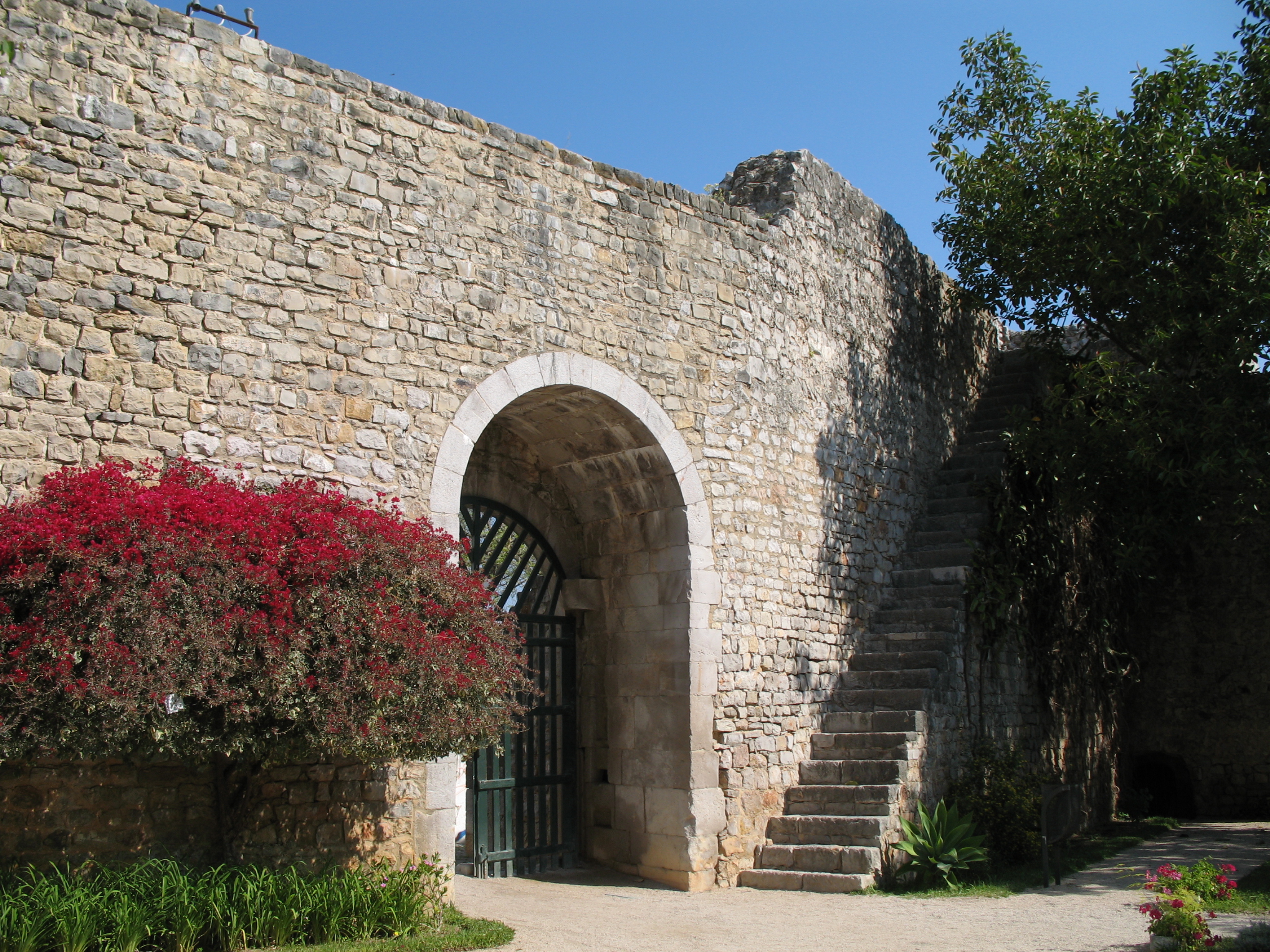
Castle of Tavira
A Phoenician wall dating to the 8th century BC lies buried beneath a medieval Portuguese castle, which sits atop Roman foundations, which rest on ground once contested by Greeks, Celts, and Carthaginians. The Castle of Tavira is less a single building than a geological core sample of Iberian civilization, its stones recording nearly three thousand years of occupation in one commanding hilltop position above the mouth of the River Gilao.
The Marriage That Won a Kingdom
The castle's medieval chapter turns on a dynastic bargain as calculated as any modern treaty. In 1252, Alfonso X of Castile besieged and conquered Tavira, claiming it for himself. But the following year, a deal was struck: Alfonso III of Portugal would marry Alfonso X's daughter, and if that marriage produced a son who survived to age seven, the grandfather would gift the entire Algarve to Portugal. The conditions were met in 1264, and Alfonso X delivered the Algarve to Alfonso III by letter dated September 20, set in Seville. The Portuguese sovereign promptly began issuing foral letters -- royal charters -- to Algarvean villages, with Tavira receiving the first in August 1266. A child's seventh birthday had decided the fate of a region.
Fortified Through the Centuries
Under King Dinis, who reigned from 1279 to 1325, the castle was repaired and reinforced and the village walls expanded around 1292. By Royal Letter of April 15, 1303, Dinis extended residents' privileges, protecting their property from seizure or forced sale except for debts owed to the Crown. The castle continued to evolve with each era's military demands. During the Portuguese Restoration War, King John IV confirmed all privileges his predecessors had granted Tavira and ordered the medieval fortifications modernized, reinforcing the structure and adapting it for artillery. The defense of the town was further strengthened in 1672, when construction began on the Sao Joao da Barra de Tavira Fortress at Gomeira, guarding the river approach.
Phoenician Ghosts Beneath the Stones
An archaeological campaign in 1997 revealed what the castle's later builders could only have guessed at: a Phoenician wall section dating from the 8th century BC, evidence that this hilltop's strategic value was recognized by seafaring traders more than a millennium before the Romans arrived. The Phoenicians established trading posts along the Algarve coast, drawn by the same protected harbor at the Gilao's mouth that would later attract every subsequent civilization. The site's strategic logic has never changed -- high ground commanding a river entrance, with clear sightlines to the sea. Each new occupier recognized what those before them had seen, building their defenses atop the ruins of their predecessors.
The View That Never Changed
From the castle walls today, the view encompasses the same landscape that drew the Phoenicians: the River Gilao winding toward the Atlantic, the low barrier islands of the Ria Formosa beyond, the flat salt pans glinting in the sun. Tavira's whitewashed buildings cascade down the hillside below the castle, their terracotta rooftops and church spires creating a skyline that has changed remarkably little in outline since the medieval period. The castle grounds are open to visitors, its walls still defining the hilltop where, for nearly thirty centuries, whoever controlled this spot controlled access to the Algarve's eastern coast.
From the Air
Located at 37.125N, 7.654W in Tavira, eastern Algarve, Portugal. The castle crowns a hilltop above the River Gilao and is visible from altitude as a walled enclosure amid the town's whitewashed buildings. Nearest airport: LPFR (Faro, ~30 km west). The Ria Formosa barrier islands are visible to the south.