Cedar Avenue of Nikko
Matsudaira Masatsuna could not afford gold or stone. He was a minor lord from a cadet branch of the ruling Matsudaira clan, and when it came time to honor the deified founder of the Tokugawa shogunate, more powerful daimyo contributed lavish lacquerwork and gilded shrines. Masatsuna donated trees instead. Starting around 1625, he hauled cryptomeria seedlings from Kii Province and planted them along the three highways that converge on the sacred shrines and temples of Nikko. By the time the avenue was officially dedicated to Tokugawa Ieyasu in 1648, on the 33rd anniversary of his death, Masatsuna had created the most enduring tribute of all. He died that same year. His son continued planting, and by the time the project was done, an estimated 200,000 cedars stood in dark, towering ranks along the approaches to the holiest ground of the Tokugawa shogunate.
A Pilgrim's Green Corridor
The Edo period highway system was designed to connect the shogun's capital with the provinces, and the roads to Nikko held a special rank. This was the route of pilgrimage -- the path that generations of shoguns and powerful lords traveled to pay respects at the mausoleum of Ieyasu and his grandson Iemitsu. The cryptomeria trees, Japanese cedars that can grow over 200 feet tall and live for centuries, transformed these roads into something more than infrastructure. They created a living cathedral. Walking beneath the dense canopy, with shafts of light filtering through branches that have interlocked overhead for four centuries, the effect is both solemn and disorienting. The trees narrow your world to the road ahead, drawing pilgrims forward toward the shrines in a slow compression of sacred space. Three separate roads make up the avenue: the Nikko Kaido, the Nikko Reiheishi Kaido, and the Aizu Nishi Kaido. Together they form an approach that the 1996 Guinness Book of World Records recognized as the longest tree-lined avenue on Earth.
200,000 Trees, 12,500 Survivors
The original planting numbered roughly 200,000 cryptomeria. Today, about 12,500 survive -- roughly 13,000 by some counts, depending on the survey year. That attrition tells a story of its own. During the Edo period, the Nikko bugyo, the magistrate charged with managing the shrines, also oversaw the trees. But the Meiji Restoration of 1868 upended the old order. Without the shogunate's patronage, the trees faced neglect and logging. Landowners felled cedars to clear ground or sell timber. What protected the survivors was their eventual recognition as cultural heritage: the avenue became the only property in Japan to hold dual designation as both a Special Historic Site and a Special Natural Monument, a legal status that acknowledges both the trees' historical significance and their biological rarity. The surviving trees are now roughly 400 years old, their bark deeply furrowed, their trunks wide enough that two people stretching their arms cannot encircle them.
Exhaust Fumes and the Modern Threat
The ancient footpaths that Masatsuna's cedars once shaded have become Japan National Route 119 and Japan National Route 121 -- modern highways carrying cars and trucks between their trunks. The irony is grim: the trees that were planted to shelter pilgrims walking to Nikko are now slowly being poisoned by the exhaust of commuters driving the same route. Urban encroachment compounds the damage. Development presses in on the root systems, and road salt and runoff alter the soil chemistry the trees depend on. Tochigi Prefecture has mounted ongoing conservation efforts, including traffic management and root protection programs, but the fundamental tension remains. These trees stand exactly where a 17th-century lord planted them, along roads that have never stopped carrying traffic. They cannot be moved, and the roads cannot easily be rerouted. The avenue's survival depends on the willingness of modern Japan to inconvenience itself for the sake of a feudal lord's gift.
Canopy Over Time
Seen from above, the cedar avenue is unmistakable -- three dark green ribbons of dense canopy cutting through the lighter patchwork of fields, towns, and modern development around Nikko. The trees form corridors so continuous that from flight altitude they resemble living walls channeling traffic toward the mountains. On the ground, the scale is different but equally striking. Each tree is an individual, shaped by centuries of wind, snow, and the slow lean of gravity. Some have lost their crowns to typhoons and regrown in eccentric shapes. Others stand perfectly straight, their bark as symmetrical as columns in a temple. The avenue is at its most atmospheric in early morning mist, when the trunks fade to gray silhouettes and the canopy dissolves into fog. It is at its most moving when you remember that every one of these trees exists because a minor lord, lacking gold, offered the only treasure he could -- patience, seedlings, and the faith that living things endure longer than gilded things.
From the Air
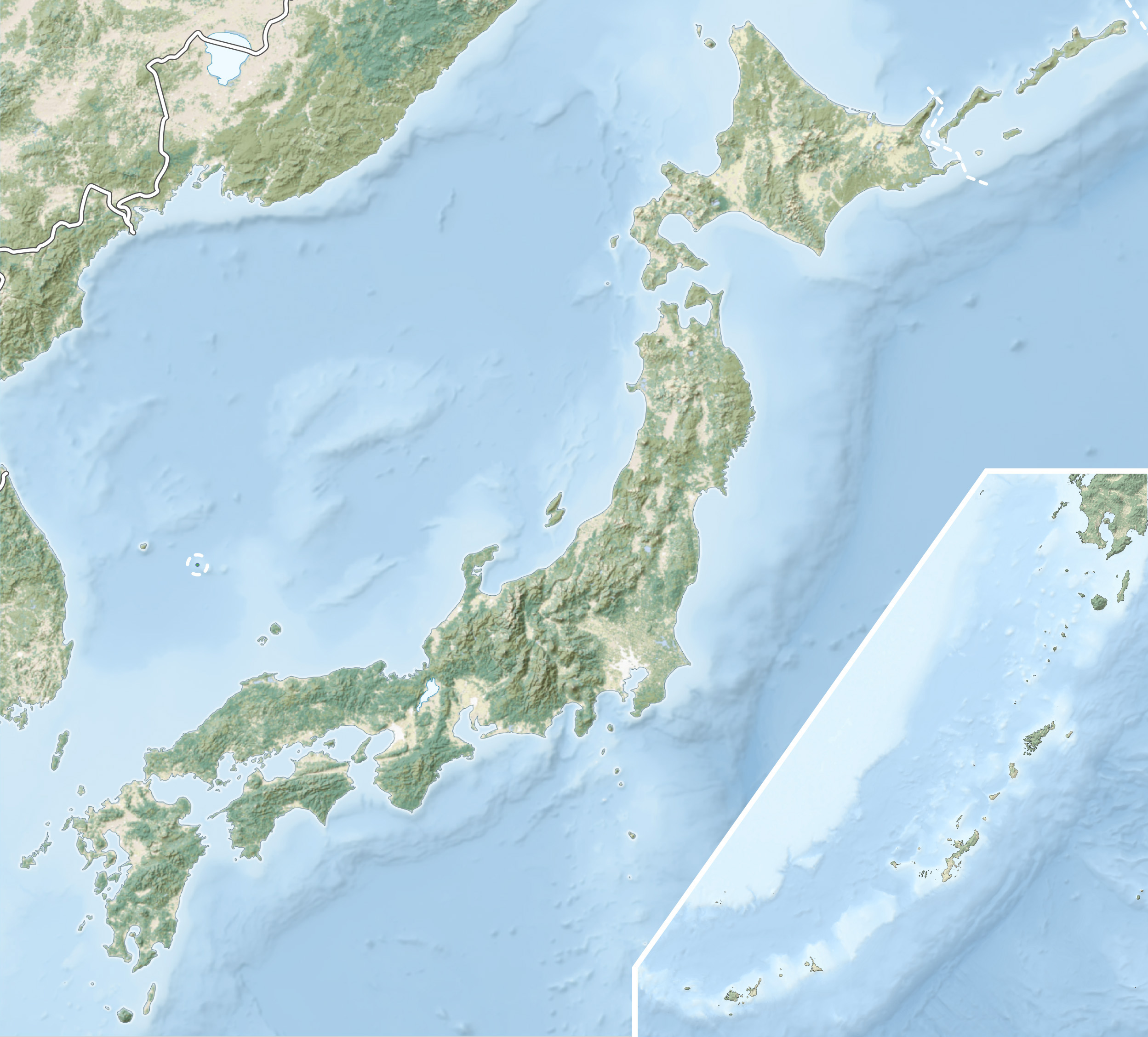
Located at 36.72N, 139.69E in the mountains north of Tokyo, Tochigi Prefecture. The three cedar-lined avenues converge on Nikko from the south and southwest, visible as dark green canopy corridors against lighter surrounding development. Best viewed at 3,000-5,000 feet AGL in clear conditions. Nearest airport: RJTU (Utsunomiya Airport) approximately 20nm south. Tokyo Narita (RJAA) lies approximately 75nm southeast. The Nikko mountain terrain rises sharply to the northwest; Mount Nantai (8,169 ft) is the dominant peak. Expect variable visibility due to mountain weather patterns, with fog common in the river valleys during morning hours.