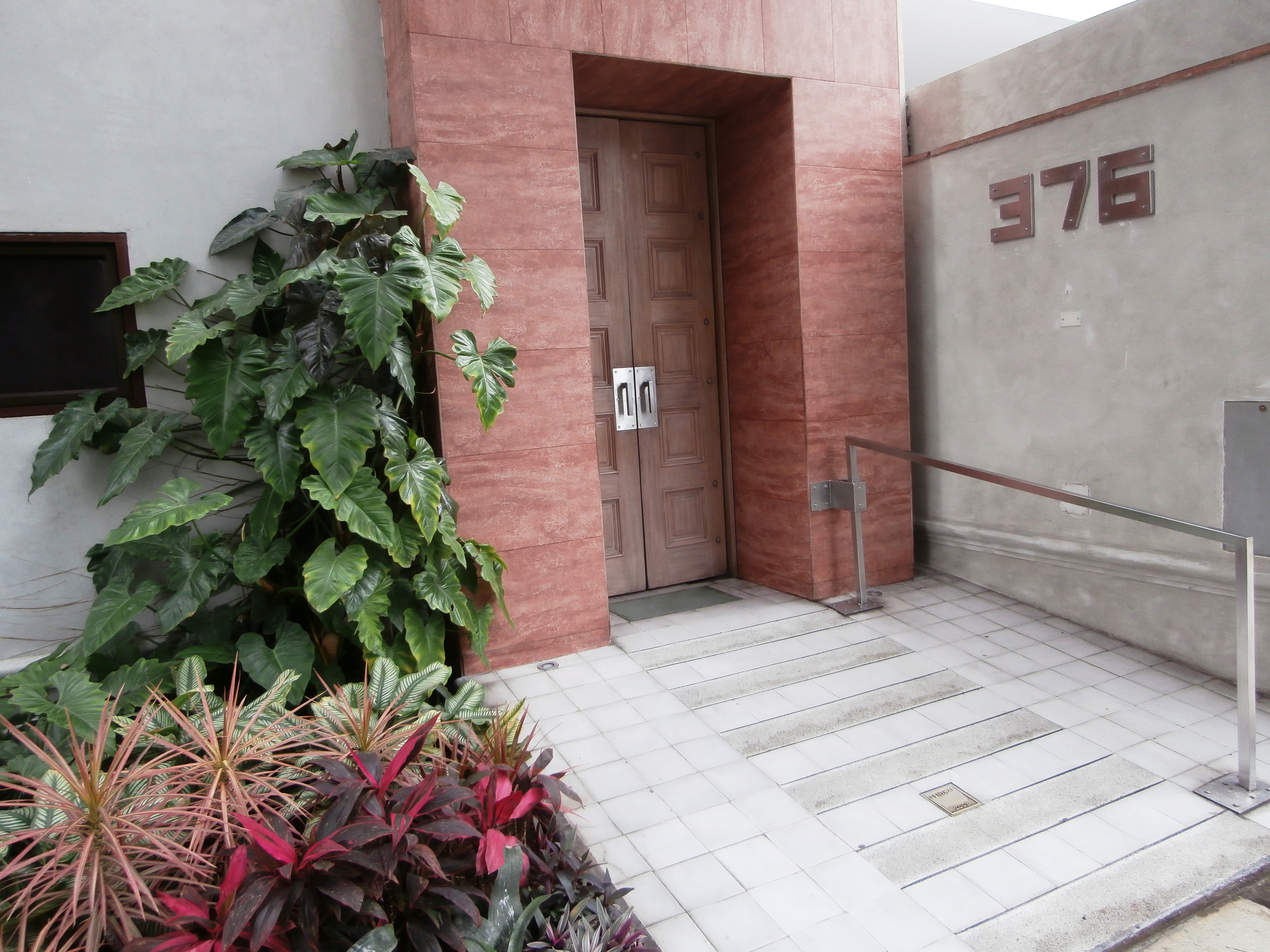
Central Restaurante
One course arrives with kushuro -- tiny spheres of edible cyanobacteria harvested from high-altitude wetlands in the Andes. Another features arapaima, a massive freshwater fish from the Amazon River that can grow longer than a person. A third showcases arracacha, a root vegetable that most diners outside Peru have never encountered. At Central, in Lima's Barranco district, every plate is an argument that a country's cuisine should be as vast and varied as its geography. In 2023, the argument won: Central was named the number one restaurant in the world.
Altitude as Menu
Central's defining concept is deceptively simple. Peru stretches from sea level to Andean peaks above 6,000 meters, passes through coastal desert, cloud forest, and Amazon basin, and contains one of the planet's greatest concentrations of biodiversity. Chef Virgilio Martinez Veliz organizes his tasting menu by altitude, each course representing a different ecosystem and its indigenous ingredients. The approach transforms dinner into a vertical journey through Peru's landscapes. Dishes arrive not as arbitrary creative expressions but as edible snapshots of specific places -- a high-altitude wetland, a Pacific reef, a jungle river. It is cuisine as cartography, and it has redefined what Peruvian food can mean on the international stage.
The Chef Who Came Home
Before Central existed, Martinez Veliz spent years in kitchens far from Lima. He cooked at Lutece in New York, at the three-Michelin-starred Can Fabes in Catalonia's Sant Celoni, and served as executive chef at Astrid and Gaston in both Bogota and Madrid. When he returned to Peru, he brought classical technique but directed it toward ingredients that European and American fine dining had never considered. His wife and collaborator, Pia Leon, serves as chef de cuisine; the two married in Lima on May 4, 2013, after working together for two years. The restaurant's wine program is led by American-born Gregory Thomas Smith. Together they have built a kitchen that functions simultaneously as a restaurant and a research laboratory for Peru's culinary biodiversity.
Rising Through the Ranks
Central's ascent through the World's 50 Best Restaurants list reads like a rocket launch. It entered the ranking at number 50 in 2013, then jumped 35 places in a single year to number 15, earning the 'Highest Climber' distinction. By 2015 and 2016 it had reached fourth in the world. It was named the best restaurant in Latin America for three consecutive years from 2014 through 2016, reclaimed that title, and in 2023 reached the summit: number one in the world. The Peruvian dining guide SUMMUM had recognized it as Peru's best restaurant annually since 2012, along with awards for best contemporary Peruvian cuisine and best sommelier. For a restaurant that had been operating illegally in a residential zone just a few years earlier, the trajectory was extraordinary.
The Outlaw Restaurant
Central's origin story includes a chapter that most world-class restaurants would prefer to forget. The restaurant originally opened in a residential area of Lima's Miraflores district, operating without proper commercial zoning. In 2009, Miraflores mayor Manuel Masias Oyanguren shut it down and declared it would not reopen, enforcing zoning laws that had been on the books since 2006. Central continued operating briefly before closing again in 2010, then reopened through a court order that was itself later annulled. Rather than continue the legal battle, Martinez Veliz relocated to the Barranco district, where Central has operated since. The move turned out to be a blessing. Barranco's bohemian character and waterfront energy suited a restaurant that was always more about exploration than establishment convention.
From the Air
Located at 12.13S, 77.03W in Lima's Barranco district, along the coastal cliffs south of Miraflores. The Barranco neighborhood is visible as a cluster of colorful buildings along the Pacific coast. Lima's Jorge Chavez International Airport (SPJC) lies approximately 8 nm to the northwest. The restaurant district sits between the Costa Verde coastal highway and the main Barranco commercial area. Lima's Historic Centre, where many of Peru's other celebrated restaurants operate, is roughly 5 nm to the north.