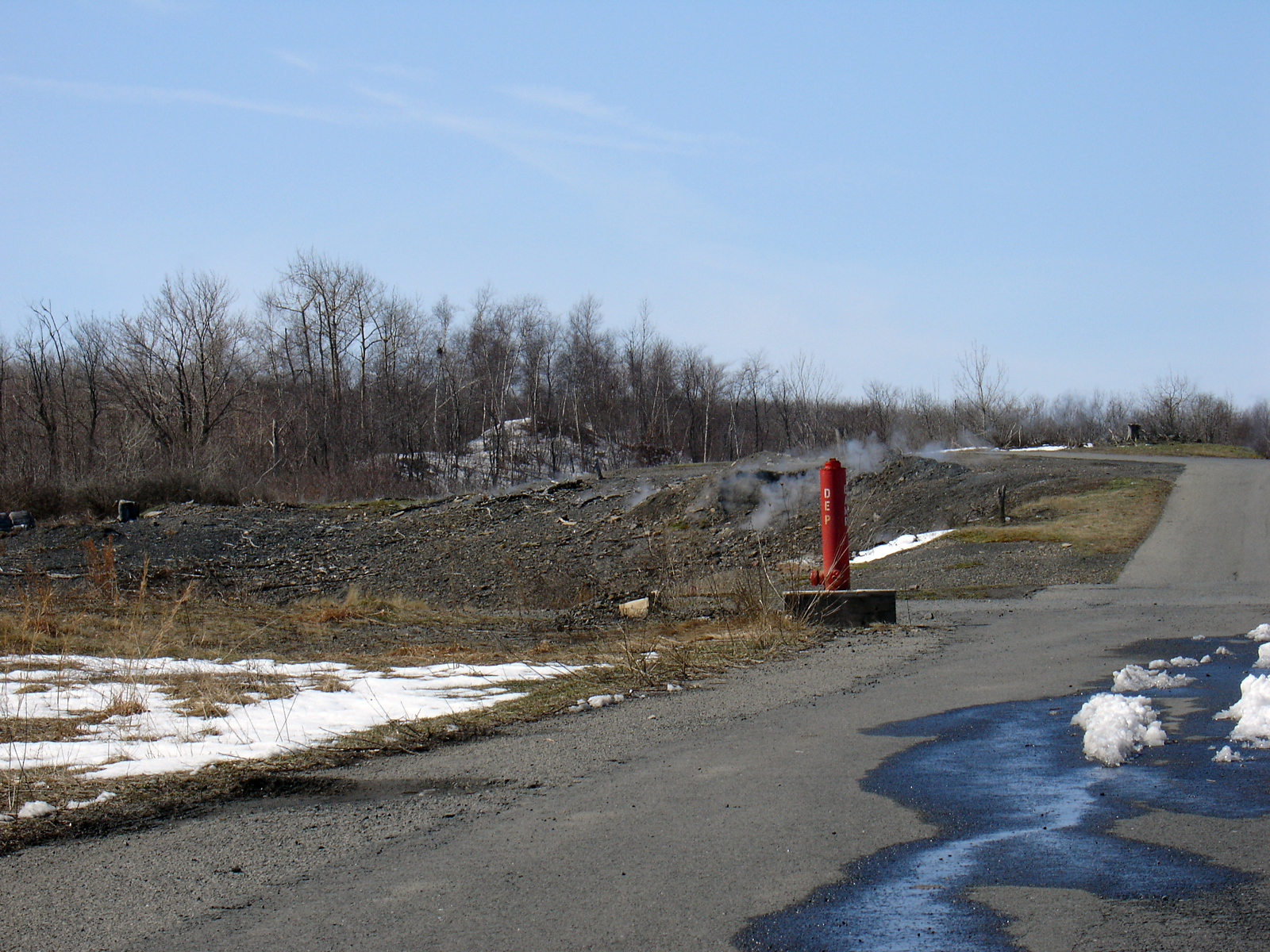
Centralia: The Town That's Been Burning for 60 Years
In May 1962, firefighters burning garbage in an abandoned strip mine near Centralia, Pennsylvania, accidentally ignited a coal seam. Sixty years later, the fire is still burning. The underground inferno has consumed miles of coal deposits, venting toxic gases through fissures in the earth. The ground can reach 900°F. Sinkholes open without warning. The town that once had 2,700 residents was condemned and evacuated - only a handful of diehards remain in a ghost town where smoke rises from cracks in the road. The Centralia mine fire is expected to burn for at least 250 more years.
The Spark
Centralia sat atop the anthracite coal deposits that fueled America's Industrial Revolution. By 1962, most mines had closed, leaving a labyrinth of tunnels beneath the town. The abandoned Buck Mountain coal vein connected to the surface through old strip mines and waste pits.
On May 27, 1962, the Centralia Borough Council hired five volunteer firefighters to clean up the town landfill - located in an old strip mine - by burning the garbage. This was standard practice. But this time, the fire found its way into an exposed coal seam and spread underground. Attempts to extinguish it failed. The fire escaped.
The Spread
The fire spread through the Buck Mountain coal vein, which averages 50 feet thick in places. Underground, the coal burns at temperatures exceeding 1,000°F. The fire consumes coal, vents gases, and opens new paths through the honeycomb of abandoned mine tunnels.
At the surface, residents began noticing problems. Vegetation died. Ground temperatures rose. Steam vented from cracks in the earth. Carbon monoxide and sulfur dioxide seeped into basements. The fire was invisible but omnipresent - a demon burning beneath their feet.
The Evacuation
In 1981, 12-year-old Todd Domboski was walking through his grandmother's yard when a sinkhole opened beneath him. He clung to a tree root as a 150-foot pit filled with hot steam gaped below. His cousin pulled him to safety. The ground that nearly swallowed Todd registered 350°F.
The incident shocked Pennsylvania into action. In 1984, Congress allocated $42 million to relocate Centralia's residents. Most accepted buyouts and left. The town was condemned. Houses were demolished. By 2017, the population had dropped from 2,700 to fewer than 10 people who refused to leave.
The Ghost Town
Today, Centralia is a ghost town bisected by cracked and smoking roads. Steam vents from fissures. The old highway through town - Route 61 - was closed and rerouted; its abandoned section, buckled by heat and covered with graffiti, has become a destination for urban explorers.
The few remaining residents live among empty lots where houses once stood. The cemetery remains - its occupants undisturbed by the fire burning 300 feet below. The town's grid of streets still exists, leading to nowhere. Centralia has become a monument to an accident that can never be undone.
The Future
The Centralia fire cannot be extinguished. It has access to approximately 3,700 acres of coal reserves. Engineers estimate it could burn for 250 years or more. The fire continues to spread at roughly 75 feet per year, threatening adjacent coal deposits and communities.
Centralia has inspired horror fiction - it was the model for the film 'Silent Hill.' But the real Centralia needs no embellishment. It's a place where the earth is literally on fire, where a routine garbage burn created a disaster that will outlive everyone who witnessed it. The fire that started before most Americans were born will still be burning when their grandchildren are gone.
From the Air
Centralia (40.80N, 76.34W) lies in the anthracite coal region of central Pennsylvania. Hazleton Municipal (KHZL) is 25km east. Wilkes-Barre/Scranton (KAVP) is 50km northeast. The area shows visible steam vents and barren ground from the air. The abandoned section of Route 61 is a notable feature. Weather is humid continental - cold winters with snow, warm summers.