The Tasting That Shook the Wine World
On May 24, 1976, in a quiet courtyard at the InterContinental Hotel in Paris, eleven tasters -- nine of them French, the other two being British wine merchant Steven Spurrier and his American partner Patricia Gallagher -- swirled, sniffed, and sipped their way through a lineup of white wines. They had no idea which glasses held French Burgundies and which held California Chardonnays. When the scores were tallied, the winner was not from Burgundy. It was from a stone chateau at the foot of Mount Saint Helena, just north of Calistoga, where a Croatian-born winemaker named Mike Grgich had coaxed something extraordinary from the 1973 vintage. That result -- the Judgment of Paris, as the press dubbed it -- did not merely announce California wine to the world. It detonated every assumption the wine establishment held dear.
A Gilded Age Gamble
Chateau Montelena's story begins with ambition and money. In 1882, entrepreneur Alfred L. Tubbs bought 254 acres of land just north of Calistoga, positioning his winery at the base of Mount Saint Helena where volcanic soils and sheltered exposure promised ideal growing conditions. Tubbs built a stone chateau meant to rival European estates, and for a time it did. Then Prohibition arrived and shut it all down. For decades the property languished, its vines pulled or neglected, its cellars silent. In 1958, the Tubbs family sold the chateau to Yort Wing Frank, a Chinese electrical engineer seeking a quiet retirement. Frank and his wife Jeanie had no interest in wine. Instead, they excavated Jade Lake and planted a classical Chinese garden around it -- an unlikely transformation that layered a new cultural identity onto the property. The garden remains today, accessible to wine club members, a reminder that this land has always attracted people with singular visions.
A Winemaker's Conviction
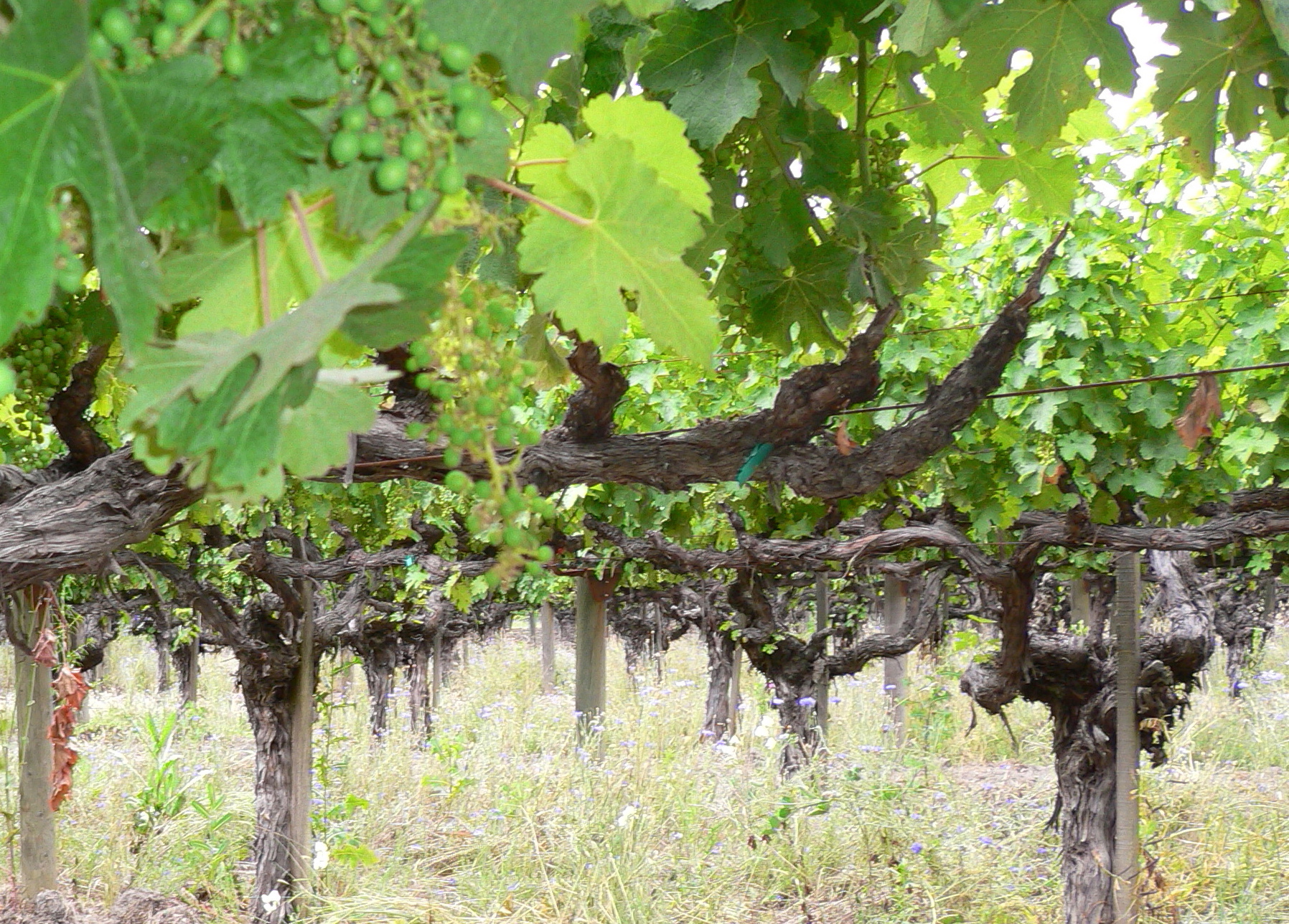
Revival came in 1968, when Lee and Helen Paschich purchased the property and brought in partners: lawyer James Barrett and developer Ernest Hahn. Barrett took the lead, replanting the vineyard and outfitting the historic stone buildings with modern winemaking equipment. Production resumed in 1972. The decisive hire was Mike Grgich, a Croatian immigrant who had trained at some of Napa's most respected wineries. Grgich was meticulous, even obsessive, about his craft. He believed California fruit could produce wines equal to anything in France -- a conviction that most of the wine world dismissed as provincial fantasy. Barrett shared that confidence. Together they crafted the 1973 Chardonnay that would travel to Paris, not expecting revolution but simply believing the wine was good enough to compete.
Six Minutes in Paris
The 1976 Judgment of Paris was organized by British wine merchant Steven Spurrier, who expected the French wines to win handily. The tasting was designed as a promotional event for French excellence, with a few California upstarts included for contrast. When the scores were tallied and Chateau Montelena topped the rankings -- beating French Burgundies with California Chardonnay in first place and two other California wines in the top four -- the room went quiet. George Taber, the only journalist present, captured the moment for Time magazine. The French judges asked to have their scorecards back. The request was refused. Within days, the story had circled the globe, and California wine would never again be dismissed as second-rate. The winning bottle now sits in the Smithsonian's National Museum of American History, a modest green vessel that carries outsized significance.
Staying in the Family
Unlike many Napa estates that have traded hands among corporations and foreign investors, Chateau Montelena has fiercely resisted sale. In 2008, Michel Reybier -- owner of Bordeaux's Chateau Cos d'Estournel -- announced he had purchased the property from Jim and Bo Barrett. Robert Parker called it one of the biggest stories in his three decades covering wine. An executive committee was formed, replanting plans drawn up. Then the global financial crisis intervened. By November, Reybier's investment group could not meet its obligations, and the Barretts reclaimed their winery. The failed sale only reinforced the family's resolve. Bo Barrett, Jim's son, has continued to run Chateau Montelena with the same stubborn independence that defined its greatest triumph. The estate still produces Chardonnay and Cabernet Sauvignon from its original vineyards, and its story was fictionalized in the 2008 film Bottle Shock.
Volcanic Soil and Morning Fog
From the air, Chateau Montelena sits where the Napa Valley narrows to a point, hemmed in by the Mayacamas and Vaca mountain ranges with Mount Saint Helena looming to the north. The volcanic soils here -- rich in tufa and ash deposits -- drain sharply, stressing the vines just enough to concentrate flavor. Morning fog rolls up from San Pablo Bay, cooling the grapes through the night before the afternoon sun pushes temperatures above ninety degrees. This diurnal swing preserves acidity while building ripeness, a balancing act that defines great Napa fruit. The stone chateau, Jade Lake, and the surrounding vineyards occupy a compact footprint that belies the property's outsized place in wine history. Listed on the National Register of Historic Places, it remains a working winery where the next vintage matters as much as the most famous one.
From the Air
Located at 38.604N, 122.598W at the northern end of the Napa Valley, just north of Calistoga. Mount Saint Helena (4,342 ft) rises immediately to the north. Best viewed at 3,000-4,000 ft AGL. The vineyard and stone chateau are visible among the valley floor vineyards. Nearest airports: Angwin-Parrett Field (2O3) approximately 6 nm southeast, and Napa County Airport (KAPC) approximately 20 nm south. Watch for terrain in the narrow valley and possible thermal turbulence on warm afternoons.